
Our Academy

As more brands and retailers move away from single-use plastic bags, reusable eco bags are becoming the go-to choice. When it’s time to create your own, one question always comes up: “Should I go for non-woven or woven?”
These two terms don’t describe materials, but the way the fabric itself is made. Because their structures are different, they vary in durability, strength, texture, and where they’re best used. Many buyers first look at the price, but what really matters is how the fabric performs — can it handle weight, last through repeated use, and express the brand feeling you want?
In this article, we’ll break down the differences between woven and non-woven bags in a simple way, sharing real examples to help you see which one suits your purpose best.
A woven bag is made from woven fabric. The fabric is created by interlacing warp and weft threads, forming a stable and durable structure. Common materials include cotton, canvas, jute, linen, and recycled fibers. Because the weaving process makes the fabric stronger, this type of bag can withstand frequent use and is often chosen by brands that value long-lasting, reusable eco bags.
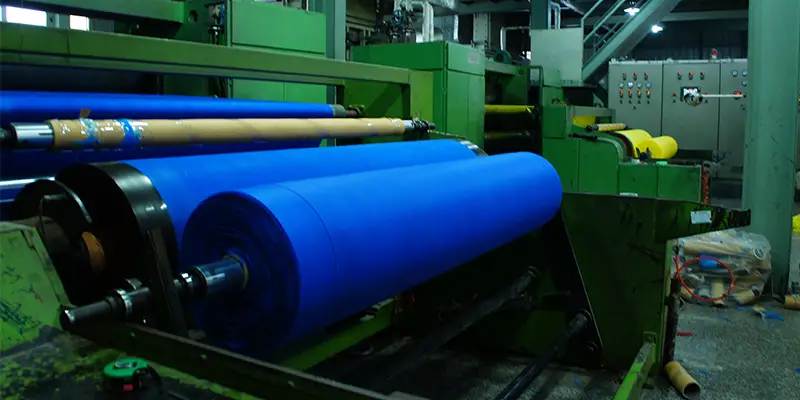
A non-woven bag is made from Nonwoven fabric1. The fabric is not woven from yarns but formed by bonding fibers together through heat, pressure, or mechanical processes. It is lightweight and cost-effective, with adjustable weight and thickness depending on the requirement. Non-woven bags are widely used for retail packaging, promotional gifts, and brand marketing bags.
Earlier, we explained the basic concepts of woven and non-woven fabrics. The key factor when choosing between them lies in the fabric structure2. Woven fabric is created by interlacing warp and weft threads into a stable grid, while non-woven fabric is formed by bonding fibers through heat or pressure, without any weaving. Because of these different forming methods, the two differ in durability, texture, stability, cost, and lifespan. The comparison table below gives you a clearer view of their main differences, helping you determine which option best suits your needs.
| Comparison Aspect | Woven | Non-Woven |
|---|---|---|
| Construction | Fabric formed by interlacing warp and weft yarns, giving it a solid structure. | Fibers bonded through heat, pressure, or mechanical methods, with no woven texture. |
| Durability | More stable under pulling and long-term use, usually with stronger load-bearing ability. | Suitable for lightweight daily use but not as strong as woven. |
| Cost | Higher cost, suitable for bags intended for long-term use. | Lower cost, ideal for large-scale distribution or short-term events. |
| Surface / Texture | Visible weave texture with strong structural feel, ranging from refined to rugged depending on the material. | Overall more uniform and lightweight, with touch depending on the material. |
| Water Resistance | Dependent on the material itself, with different fibers showing different performance. | Not inherently water-resistant and depends on the material or added treatments. |
| Maintenance | Most materials can be gently washed, offering long lifespan and reusability. | Generally not suitable for washing, with limited cleaning options. |
| Eco-Performance | The more it is used, the higher its environmental value, suitable for long-term circulation. | Lightweight but shorter-lived, suitable for short-term or high-volume needs. |
| Typical Uses | Daily shopping, repeated carrying, and scenarios requiring stronger load-bearing. | Trade show bags, promotional bags, retail store bags, and mass distribution. |
Many people think eco-friendliness depends on the material, but the real key lies in how many times the bag is used. Woven bags have a stronger structure and can handle frequent use, giving them a longer lifespan3. Non-woven bags, though lighter, can also be durable if made from thicker or higher-quality fabric.
Both can be eco-friendly choices, but in different ways. Woven bags show their value through long-term use, while non-woven bags are easy to make, lightweight, and practical for repeated outings. Ultimately, the most important factor is to use the bag multiple times and keep it in circulation — that repeated use contributes far more to sustainability than the difference in materials themselves.

The difference comes from the fabric structure. Woven fabric is formed by interlacing warp and weft threads into a mesh, which naturally disperses tension, making it more stable during long-term use, folding, or heavy loading. Non-woven fabric, on the other hand, is made by bonding fibers together through heat or pressure. It is light and practical, but its edges and fold lines are more likely to wear down after repeated use.
Therefore, woven bags are more suitable for frequent, long-term use, while non-woven bags are better for lightweight, everyday, or event-oriented purposes.
If you need a bag that can last longer and carry more weight, woven bags are the better choice. Their structure is firm and resistant to stretching, so even with repeated use, they don’t easily lose shape. That’s why many online sellers use them as “regular shopping bags” or “reusable packaging bags.”
For brands that care about quality and presentation, woven fabric offers more texture and presence, giving a stable and premium impression. Supermarkets, retail stores, and industries that need long-term storage also tend to prefer this type, as it stays durable and neat even with frequent use.
If your priority is “long lifespan, strong load-bearing, and durability,” a woven bag will rarely let you down.
The advantage of non-woven bags lies in their light weight, practicality, and reasonable cost. They are sturdier than paper bags and more reusable than plastic bags, making them suitable for clothing, light to medium-weight products, and everyday packaging. Because they are affordable and environmentally conscious, they are widely used in retail stores, apparel brands, promotional giveaways, and shopping occasions.
If you’re looking for a cost-effective, easy-to-carry bag that customers are willing to reuse, non-woven bags are a reliable option.
Although they don’t have the structural support of interlaced yarns, their durability can still be improved through design. For example, using heavier-weight fabric, producing with virgin materials, adding a bottom board, or applying lamination can all enhance water resistance and abrasion resistance. With these adjustments, non-woven bags can easily meet daily needs for carrying light to medium-weight items.
Once you understand the structural differences between woven and non-woven bags, the next practical question is: in your daily usage scenario, which one actually fits better?
Many people first look at materials or cost, but what truly determines the user experience is how the bag will be used, where it will be used, and how long you expect it to last. Below we’ve summarized some common usage scenarios, along with simple selection tips to make your decision more straightforward.

Daily shopping or carrying light household items
Non-woven bags are usually sufficient — lightweight, cost-effective, and easy to fold and carry.
Grocery shopping, multiple clothing items, or heavier daily use
Woven bags have a sturdier structure and stay stable even after extended use, making them more suitable for regular shopping habits.
Clothing stores, gift packaging, or retail brand shops
If you want the bag to look more structured and have a stronger presence, woven is the better choice; if you need to control the budget, non-woven can still handle light to medium uses.
Event giveaways, trade show bags, or corporate merchandise
Non-woven is a very common option — cost-friendly, easy to produce in large quantities, and customers are likely to keep reusing it.
Reusable shopping bags for long-term use (in the car, at home, etc.)
Woven bags last much longer and remain durable even after extended use.
Occasions requiring some water resistance
Whether woven or non-woven, laminated versions offer better performance in stain resistance, water resistance, and ease of cleaning.
How often will you use it?
Frequent or long-term use → woven
Occasional or lightweight use → non-woven
What will you carry?
Heavy or multiple items → woven
Brochures, small goods, or lightweight items → non-woven
Do you need to control the budget?
Flexible budget, want a sturdier bag → woven
Limited budget, looking for a more durable alternative to plastic bags → non-woven
What’s your eco-use habit?
Used regularly and long-term → woven
Need a reusable yet affordable option → non-woven

There is no absolute good or bad between woven and non-woven bags. They simply use different fabric structures to meet different needs. Woven bags are stronger and more durable, suitable for long-term and heavy-duty use; non-woven bags are lighter, more cost-effective, and easier to produce in large quantities. Once you consider how the bag will be used in real situations, it becomes easy to decide which one fits you better. We hope this guide helps make your choice easier and helps you find the option that best meets your needs.
If you are looking for reliable custom woven bags, custom non-woven bags, or other reusable bag solutions, Yanxin Bag, as an experienced woven bag manufacturer, provides stable and professional production support for various types of clients. We can assist in planning the right bag type and customization method according to your intended use, quantity, and material requirements, ensuring that each product fits real-world needs.
Feel free to contact Yanxin Bag to discuss any cooperation or production inquiries related to woven or non-woven bags.
Want a quick overview of nonwoven bag pros and cons?
This article gives you a balanced look at their strengths and limitations, with real-world usage and style examples. 《Pros & Cons of Nonwoven Bags》
Looking for a solid foundation on nonwoven bags?
This article outlines their types, uses, pros and cons, printing options, and customization possibilities in a clear and structured way. 《Everything You Need to Know About Non-woven Bags》
Still confused between non-woven and PP woven bags?
This detailed comparison walks you through material, strength, printability, waterproof performance, and more—helping you understand which works better for your needs. 《Non-Woven Bag vs. PP Woven Bag: What Are the Difference?》
Torn between non-woven and canvas bags for your business?
This article compares them across durability, printability, style range, and more—offering clear insights for smarter decision-making. 《Non Woven Bag VS Canvas Bag: Which Is Best For Your Business》
Curious about what makes PP spunbond nonwoven fabric a go-to for sustainable packaging?
This article breaks down its structure, production, features, uses, and environmental value in a clear and practical way. 《What Is PP Spunbond Nonwoven Fabric?》
Get a free quote and expert consultation today. Let's bring your brand vision to life.
1 Wikipedia identifies nonwoven fabric as a sheet or web structure formed by bonding fibers together through mechanical, thermal, or chemical processes rather than weaving or knitting.
2 Encyclopaedia Britannica identifies fabric structure as the arrangement of fibres, yarns, or filaments that determines the construction and classification of textile materials.
3 In industry standards, service life functions as a technical indicator used to evaluate durability and expected usability of manufactured products over time.
Answer: A woven bag is typically made from woven fabric such as cotton, canvas, jute, linen or recycled fibers. Its fabric is formed by interlacing warp and weft threads into a structured mesh, which gives the bag strong durability and long-term reusability.
Answer: Woven bags are generally stronger, more resistant to stretching, and suitable for long-term or heavy-duty use. Non-woven bags offer more flexibility in production and cost, making them ideal for marketing, retail or temporary packaging purposes.
Answer: Most non-woven bags are made from polypropylene (PP), a thermoplastic polymer. PP non-woven fabric is bonded rather than woven, creating a strong yet affordable option for reusable bags.
Answer: Woven bags have interlaced yarns that distribute stress evenly, making the structure more resistant to tearing and deformation. Non-woven fabrics, being bonded rather than woven, may show wear faster under repeated folding or loading.
Answer: Yes. When reused multiple times and properly recycled, non-woven bags can be an eco-friendly alternative to single-use plastic bags. Their environmental value depends on how often they are reused rather than just the fabric type.
Answer: Non-woven bags are usually more cost-efficient for bulk production. Their manufacturing process allows faster, high-volume output, making them popular for trade shows and promotions.
Answer: Woven bags, such as cotton or canvas types, provide a more premium look and tactile quality. Their visible weave texture and sturdy structure convey a higher-end brand image.
Answer: Woven bags can often be gently washed, depending on the material. Non-woven bags are less resistant to water and should be wiped rather than washed frequently.
Answer: A woven bag is better for frequent or heavy use due to its stable structure and higher load-bearing capacity.
Answer: Woven bags offer a more structured, premium feel for long-term use, while non-woven bags are ideal for cost-effective, large-quantity distribution. Both work well depending on the brand’s needs and style.

Order or no-order we are Always here to help you!
We will contact you within 1 working day, please pay attention to the email with the suffix “@yanxinbag.com”.
Order or no-order we are Always here to help you!
We will contact you within 1 working day, please pay attention to the email with the suffix “@yanxinbag.com”.