
Our Academy
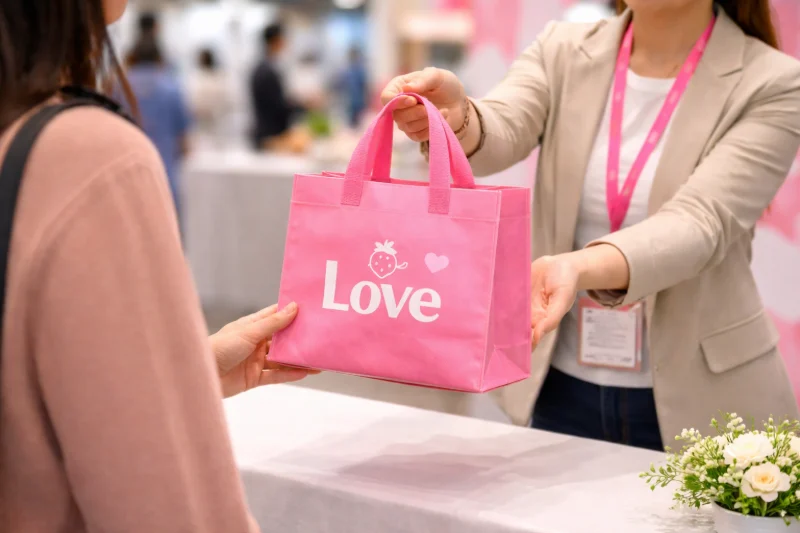
In the production of reusable shopping bags and promotional bags, PP woven is one of the most commonly used materials. Many clients know it’s strong, but they’re not always clear on why it works so well for bags. This article explains its structure, characteristics, and typical applications from the perspective of a factory that works with these materials every day.
PP woven fabric is, put simply, a cloth woven from polypropylene flat tapes, and it’s very durable. Instead of being loosely bonded together, the warp and weft tapes interlock like a woven basket, giving the fabric great stability and the ability to handle weight and pulling. The rice bags, feed bags, and many of the sturdy reusable shopping bags and trade show bags people commonly see are made from this material.
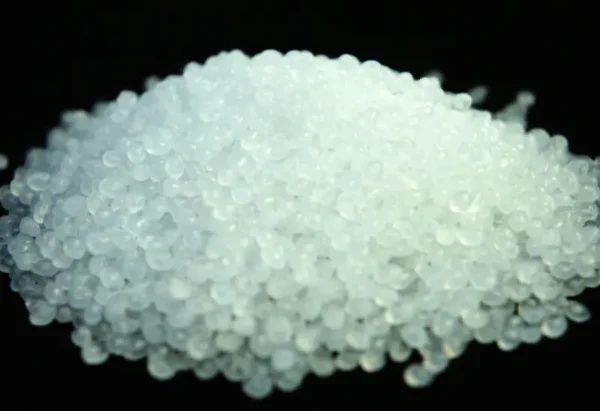
The process starts with polypropylene1 pellets. They are melted and extruded into thin sheets, then cut into flat tapes. The key step is stretching—pulling the tapes so the molecules align, which makes the tapes stronger and less likely to deform. When the tape quality is stable, the woven fabric that follows will also be more consistent.
During weaving, the warp tapes (running vertically) are tensioned on the loom. The weft tapes (running horizontally) are then inserted one by one in a regular pattern, interlacing up and down, with each pass pressed tightly into place. This repeated motion creates a dense and tight weave. It’s this woven structure that gives the fabric its strong tensile strength2 and abrasion resistance, unlike some materials that tear easily.
After the fabric is woven and rolled into large rolls, it goes through inspection to check for broken tapes or uneven weaving. Once confirmed, the roll is slit to the width required by the customer. This step doesn’t change the fabric structure—it’s simply to prepare the material in suitable dimensions for making bags or other applications.
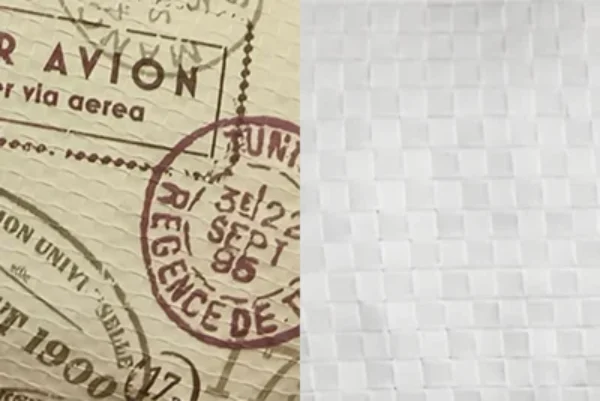
Although both materials fall under “PP,” they are completely different things, and the choice mainly depends on what the bag is meant to do.
PP woven has a flat-tape woven structure, which looks more like a fine mesh—stable and strong. PP non woven is made through thermal bonding of fibers, without any woven texture, making it lighter. This structural difference leads to very different strength performance in bag applications.
PP woven has higher load-bearing capacity and is suitable for large bags or bags that need repeated use. PP non woven has limited strength and works better for lightweight bags or event bags. When it comes to bags, strength is often the most obvious dividing line between the two.
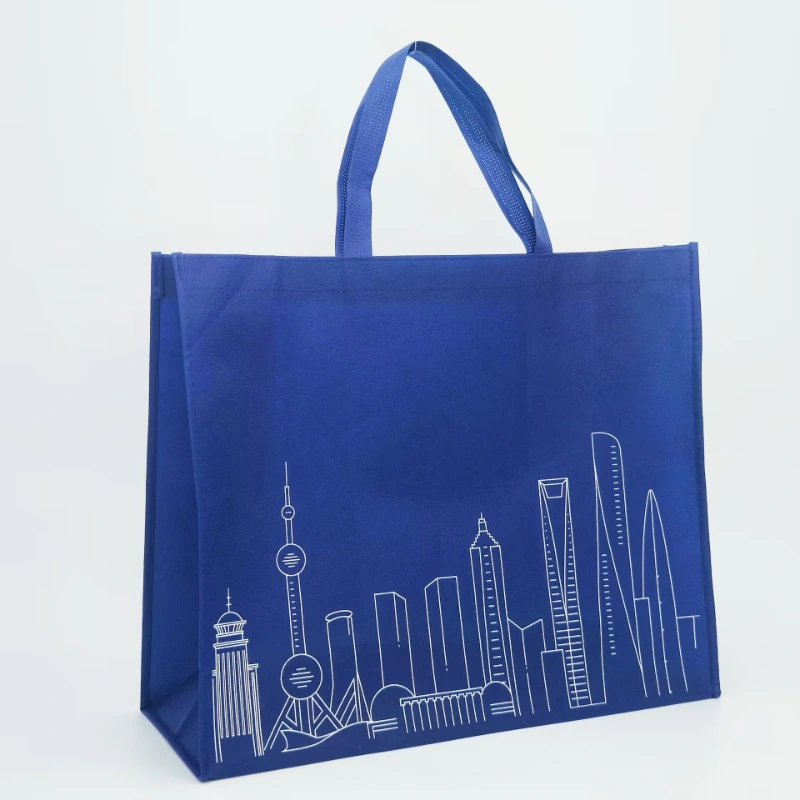
PP woven has a smoother surface, with its texture coming from the woven pattern, giving it a more structured look. PP non woven has a dot-patterned surface from thermal bonding, and at the same weight, it appears thicker.
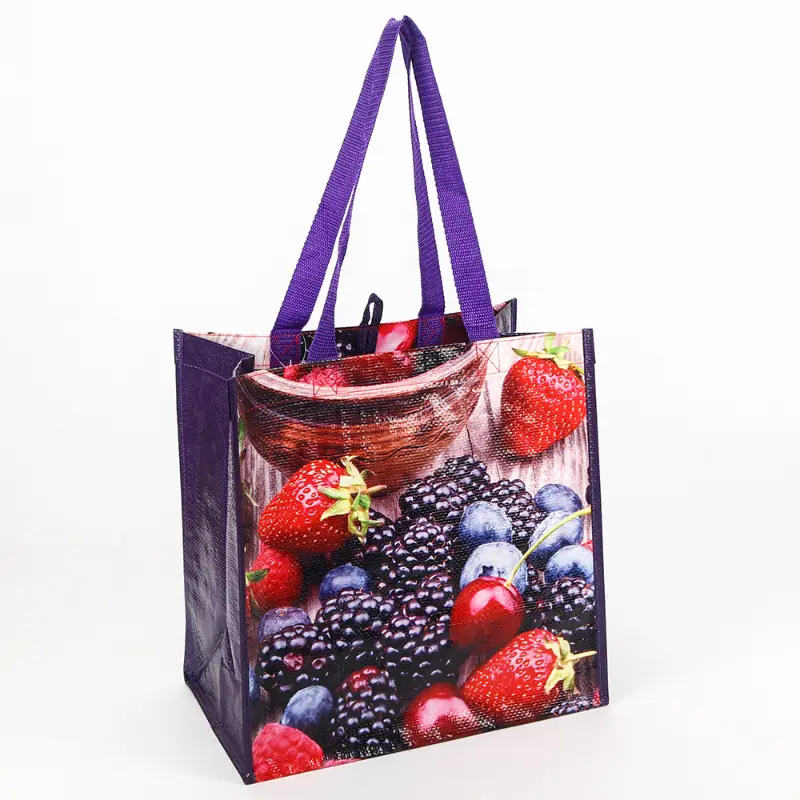
Here is a key point—it depends on whether lamination is needed.
If the bag doesn’t require lamination, PP non woven is usually cheaper and suitable for low-budget, short-term event bags.
But if the bag needs laminated printing (for glossy, premium shopping bags), then laminated PP non woven and laminated PP woven have very similar pricing, almost the same.
So, when lamination is involved, clients are no longer comparing basic material cost. Instead, they focus on the hand-feel they prefer (stiffer or softer), the texture they want to present, and—most importantly—the actual load-bearing strength the bag needs to achieve.
PP Woven works better for: heavy-duty shopping bags, laminated premium bags, reusable promotional bags, and large-capacity packaging bags.
PP Non Woven works better for: lightweight gift bags, simple trade show bags, and short-term promotional giveaway bags.
Both materials have their place in the consumer bag market, each serving different needs.
For an easier comparison, I’ve listed the main points in the table below.
| Comparison Item | PP Woven | PP Non Woven |
|---|---|---|
| Structure | Flat-tape woven, more stable | Fiber thermal-bonded, lighter |
| Load performance | Strong, suitable for large and long-term use | Limited strength, for lightweight bags |
| Appearance & feel | Smooth surface, fine weave, more structured | Thicker feel at the same weight, softer |
| Laminated printing | Bright colors, sharp details | Good performance but softer after lamination |
| Cost judgement | Similar to non woven when laminated | Cheaper when not laminated |
| Typical use | Durable shopping bags, brand bags, premium promo bags | Gift bags, event bags, promotional giveaways |
When the differences are placed side by side, it becomes much clearer which material is more suitable.
For shopping bags, both materials can be made into the same bag styles. The real question is what you expect this bag to do.
If the bag needs to carry heavy items regularly, be used for a long time, or present a more premium brand image, then PP woven is the more reliable choice. Laminated printing also looks more refined on it.
If the bag is just for a one-day event, meant to hold light promotional materials, or the budget is very limited, then PP non woven is enough—more economical.
From talking with many clients, we’ve found that most decisions eventually boil down to three points: how much weight the bag needs to carry (load-bearing), how they want the bag to look (visual effect), and how much they plan to spend (budget). There’s no higher or lower material—only what fits the job.
In the bag-making world, PP woven fabric has always been a “reliable, hard-working” material. Its strength and visual performance have been tested by the market for many years. For situations where the bag needs to be durable and represent a brand well, it remains a dependable choice.
In the end, there’s no universal formula for choosing materials. As long as you return to the basics of the business—what the bag needs to carry, what it needs to express, and how much you want to spend—the answer becomes clear naturally. (It’s like what our old master in the factory always says: whether something works well depends on how you use it. In the right place, even an ordinary material can shine; in the wrong place, even the best material is a waste.)
Get a free quote and expert consultation today. Let's bring your brand vision to life.
1 The Wikipedia entry on polypropylene identifies it as a thermoplastic base material whose molecular alignment during processing directly influences downstream strength behaviors relevant to tape stretching.
2 As summarized across textile property discussions by Testex Textile, tensile strength reflects the cumulative structural response of fiber chains, yarn pathways, and weave density, consistent with the strong performance observed in tightly packed woven fabrics.
Answer: PP woven bags are stronger because the polypropylene tapes are interwoven, forming a stable mesh-like structure. This woven construction improves tensile strength, load-bearing capacity, and long-term durability, making them suitable for heavy-duty reusable bags.
Answer: Yes. PP woven fabric is widely used for laminated reusable bags because the surface handles BOPP or matte lamination well. Laminated PP woven bags allow for vivid colors, high-resolution graphics, and a more premium appearance for retail packaging and promotional events.
Answer: PP woven fabric is made from polypropylene (PP) flat tapes that are stretched and woven together. This creates a strong, flexible, and lightweight fabric commonly used for reusable grocery bags, agricultural sacks, industrial packaging, and promotional tote bags.
Answer: PP woven reusable bags can last for months to years depending on usage. Their tear-resistant woven structure and laminated surface provide strong durability, making them ideal for repeated shopping, daily carrying, or long-term promotional use.
Answer: PP woven fabric alone is moisture-resistant, but not fully waterproof. When laminated with BOPP film, PP woven bags become water-resistant and easy to wipe clean, making them suitable for outdoor shopping, wet weather, and food packaging.
Answer: PP woven is better for heavy-duty grocery bags because it provides superior tensile strength and resists stretching or tearing when carrying heavy items. Laminated PP woven bags are the preferred choice for supermarkets and large-capacity tote bags.
Answer: PP woven bags are reusable many times and reduce the need for single-use plastic bags. They can be recycled in polypropylene recycling streams, and their long lifespan makes them a more sustainable option for retail shopping and promotional packaging.
Answer: Brands choose laminated PP woven bags because the lamination creates a premium look, protects the artwork, and adds stiffness to the bag. This makes the bag more attractive for retail stores, product packaging, and long-term brand exposure.
Answer: Yes. PP woven bags can be produced in different GSM levels, lamination styles (glossy or matte), sizes, and handle types. This flexibility makes them ideal for private-label reusable bags, promotional bags, and retail packaging.
Answer: Buyers should consider three key factors: the required load-bearing strength, the desired appearance or hand-feel, and the project budget. PP woven is better for durable, premium-looking bags, while PP non woven is more suitable for lightweight, low-cost promotional bags.

Order or no-order we are Always here to help you!
We will contact you within 1 working day, please pay attention to the email with the suffix “@yanxinbag.com”.
Order or no-order we are Always here to help you!
We will contact you within 1 working day, please pay attention to the email with the suffix “@yanxinbag.com”.