
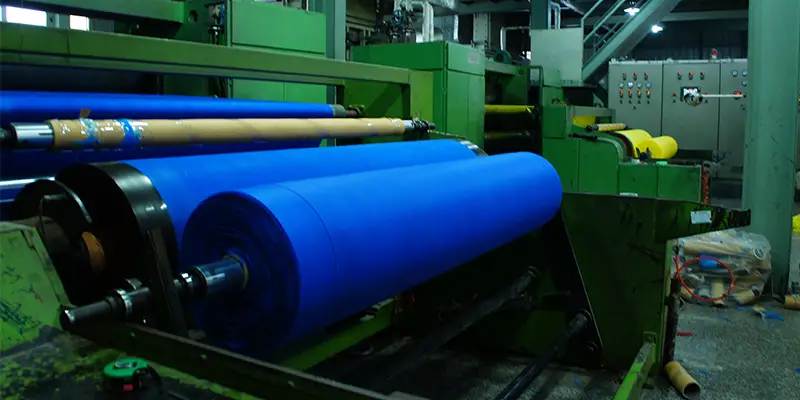
We come across PP Spunbond nonwoven fabric almost every day. From reusable shopping bags and medical masks to agricultural crop covers and dust protection sheets — this lightweight yet sturdy material is everywhere in daily life. Thanks to its strong, breathable, and recyclable nature, PP Spunbond nonwoven fabric has become one of the most popular eco-friendly materials used across different industries.
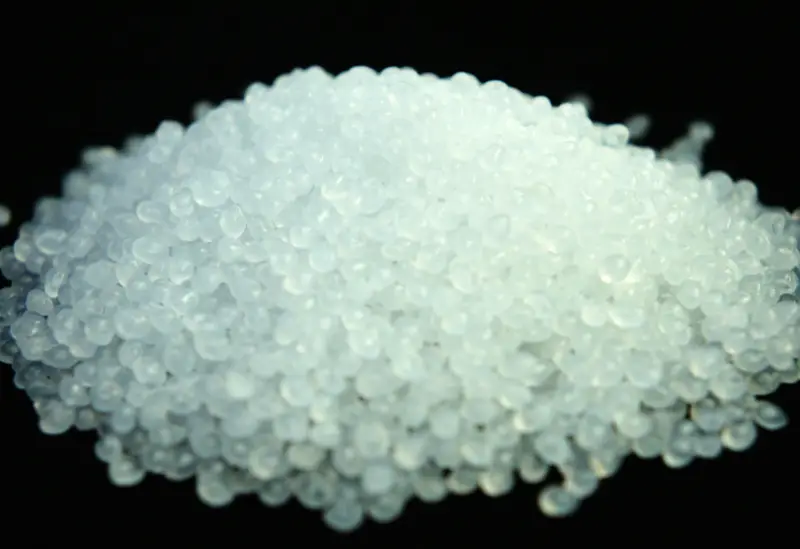
PP Spunbond nonwoven fabric is produced through a one-step spunbond process. Polypropylene granules are melted and extruded into continuous filaments, which are then laid into a web and thermally bonded to form the fabric. The entire process is highly automated, efficient, and energy-saving, making it ideal for large-scale production. This manufacturing method allows the material to remain lightweight while maintaining strength and dimensional stability, which is one of the key reasons for its widespread use.
PP Spunbond nonwoven fabric combines lightness and strength, making it a versatile and eco-friendly material. Its surface is smooth and uniform in structure, with good durability and process adaptability. It is commonly used in eco bags, medical supplies, and agricultural fabrics.
High Strength and Abrasion Resistance: The interlaced fibers make the fabric tear-resistant and reusable.
Light and Soft: Lightweight with a fine texture, suitable for tote bags and garment interlining.
Water-Resistant and Breathable: Polypropylene is naturally hydrophobic, preventing liquid penetration while maintaining breathability.
Chemical Resistance and Mold Resistance: It resists most chemicals and moisture, making it less likely to mold or deteriorate.
Good Barrier and Cushioning Properties: The dense fiber structure provides moderate insulation and dust resistance, commonly used in packaging or composite outer layers.
Recyclable: Polypropylene materials can be recycled and reused; some products may also include biodegradable additives.
In addition, PP Spunbond nonwoven fabric can be laminated with BOPP film, creating a glossy, waterproof, and printable composite material. Such laminated nonwoven fabrics are widely used in promotional bags, gift bags, and shopping bags, offering both aesthetic appeal and functionality.
With its combination of strength, light weight, and excellent processability, PP Spunbond nonwoven fabric is widely applied across various industries.
Medical and Hygiene Products: Used in masks, surgical gowns, caps, bedsheets, and disposable protective clothing for their breathable, liquid-resistant, and hygienic properties.
Home and Daily Use: Found in dust covers, storage bags, pillowcases, and other lightweight fabrics; also used as a base for synthetic leather.
Agriculture: Applied in weed control fabrics, crop protection sheets, seedling bags, and thermal covers to extend crop growth and reduce pesticide usage.
Industry and Construction: Used in air and water filtration materials, roofing underlays, and pipe wrapping for durability and moisture resistance.
Automotive Manufacturing: Applied in car interiors, sound insulation layers, and filter components for lightweight strength and durability.
Eco Bags and Packaging: Widely used for tote bags, promotional bags, and gift bags. Different weights, colors, or BOPP laminations can be customized, offering excellent printability and ideal branding results.
Lightweight and Material-Efficient: Reduces raw material usage while maintaining strength, thus lowering carbon emissions.
Reusable and Recyclable: Long service life and recyclable after use, reducing single-use plastic waste.
Highly Customizable: Can be tailored in color, weight, thickness, and printing according to brand requirements.
Flexible Cost Control: Stable raw materials and high production efficiency make it suitable for mass customization and promotional use.
Balanced Flexibility and Strength: Multilayer or laminated structures enhance both durability and appearance.
A Sustainable Alternative: Combines practicality and environmental benefits, widely recognized as a rational replacement for disposable plastic bags.
Strictly speaking, PP Spunbond nonwoven fabric is not a naturally biodegradable material, as polypropylene (PP) is difficult to decompose by microorganisms in natural conditions. However, it is still considered an environmentally friendly packaging option because it can be reused and recycled.
Some nonwoven fabrics on the market are made with biodegradable polymers such as PLA or PHA, which can decompose under specific conditions, though their higher cost limits widespread adoption. In comparison, PP Spunbond nonwoven fabric — with its low energy consumption during manufacturing, recyclability, and long service life — offers a more practical approach to sustainability.
Although PP Spunbond nonwoven fabric is not fully biodegradable, its recyclability, reusability, and low production energy make it a widely accepted eco-friendly alternative to traditional plastic bags, and a key material driving the global sustainable packaging trend.
With its light weight, strength, and recyclability, PP Spunbond nonwoven fabric has become a favored eco-friendly material across multiple industries. From reusable shopping bags and medical protective products to agricultural and industrial packaging, it offers stable performance and flexible processability.
While polypropylene itself is not completely biodegradable, PP Spunbond nonwoven fabric contributes to a more sustainable future through reuse, recycling, and responsible design.
For brands and manufacturers, choosing this material is not only a practical decision but also a commitment to sustainability — because a greener world often begins with something as simple as a strong, lightweight fabric.
If you’re looking for a reliable PP Spunbond nonwoven bag manufacturer or wish to customize a sustainable packaging solution for your brand, feel free to contact Yanxin Bag. With years of export experience, Yanxin Bag provides one-stop services including nonwoven eco bags, BOPP laminated bags, reusable shopping bags, and OEM printed packaging.
Want a complete understanding of non-woven bags?
This article provides a comprehensive overview of non-woven bags, covering the basic definition, historical background, common types, and practical uses. It also outlines the key advantages and limitations, with illustrated examples of printing and customization for better visual understanding. 《Everything You Need to Know About Non-woven Bags》
Choosing between non-woven and canvas bags?
It offers a side-by-side comparison across key factors like sustainability, texture, print quality, and usage comfort, so you can decide which material better suits your branding or product needs. 《Non Woven Bag VS Canvas Bag: Which Is Best For Your Business》
Curious about how non-woven bags compare to PP woven bags?
With 12 detailed comparison points—including material structure, durability, texture, print results, and eco-performance—this guide helps you understand how the two bag types differ and which might fit your goals better. 《Non-Woven Bag vs. PP Woven Bag: What Are the Difference?》
Planning to print on non-woven bags?
From heat transfer to screen printing, this guide reviews major techniques, compares results, and gives tips for choosing the right method based on design complexity, color needs, and material compatibility. 《Non Woven Bag Printing: Methods, Comparisons & Complete Guide》
Not sure if non-woven bags are right for you?
With clear visual sections, this article highlights the strengths and weaknesses of non-woven bags—from eco-friendliness and customizability to durability and weight-bearing limits—helping you make an informed choice. 《Pros & Cons of Nonwoven Bags》
Get a free quote and expert consultation today. Let's bring your brand vision to life.
1 Discover the diverse uses of this fabric in various industries, enhancing your understanding of its benefits and applications.
2 Explore the latest trends in sustainable packaging to stay ahead in eco-friendly practices and consumer preferences.
3 Explore this link to understand how UV-resistant additives enhance the durability of nonwoven fabrics in agriculture.
Answer: PP Spunbond nonwoven fabric is made from 100% polypropylene (PP) polymer that is extruded into continuous filaments, formed into a web and thermally or mechanically bonded—resulting in a strong, lightweight nonwoven material.
Answer: The material features high tensile strength, abrasion resistance, low weight and uniform structure. It is also water-resistant yet breathable, chemically resistant, mold-resistant, and recyclable, making it ideal for reusable bags, medical and agricultural uses.
Answer: No, polypropylene (PP) is not naturally biodegradable in typical environmental conditions. However, PP Spunbond fabric can be reused and recycled, which supports sustainability even though it doesn’t decompose like bioplastics.
Answer: The PP Spunbond process uses a one-step web formation (melt extrusion, web laying, thermal bonding) that is highly automated, cost-effective, high output and low energy compared to many woven or traditional fabrics.
Answer: Applications include crop covers, weed control fabrics, nursery seedling bags, geotextile underlays, filtration media, roofing underlayment, pipe wrapping and automotive interior backing.
Answer: Woven PP is made by interlacing polypropylene tapes into a checker-board pattern, while nonwoven PP (Spunbond) is a continuous filament web pressed together. Nonwoven PP looks like a uniform textured surface rather than woven threads.
Answer: PP Spunbond nonwoven fabric is generally more eco-friendly than single-use plastic bags because it can be reused multiple times, reduces the number of disposable bags needed, and in some cases is recyclable — though it is not inherently biodegradable.
Answer: Pigments or masterbatches are blended with polypropylene pellets before extrusion, ensuring consistent color throughout the fiber and excellent colorfastness during use.

Order or no-order we are Always here to help you!
We will contact you within 1 working day, please pay attention to the email with the suffix “@yanxinbag.com”.
Order or no-order we are Always here to help you!
We will contact you within 1 working day, please pay attention to the email with the suffix “@yanxinbag.com”.