
Our Academy
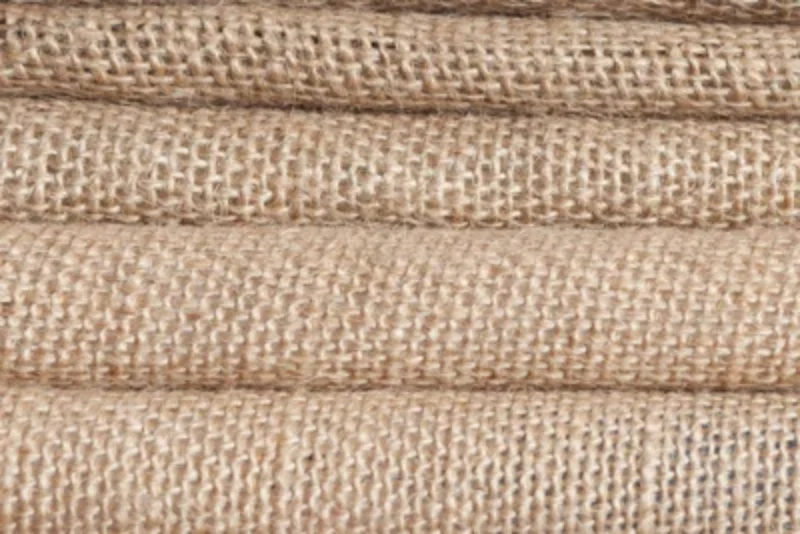
Jute fabric is one of the best-known natural materials. You’ve probably seen it in eco-friendly bags, packaging fabrics, and home décor, though few people stop to think about the story behind it. As sustainable living becomes more important, jute is gaining renewed attention for being both renewable and biodegradable. It’s not just one single type of cloth—jute comes in several forms depending on the fiber and purpose, each with its own unique texture and character.
Jute fabric is a natural textile woven from the fibers of the jute plant, known for its durability, breathability, and environmental friendliness. Its fibers are coarse and strong, providing firm support while maintaining good ventilation. Jute fabric is widely used in eco bags, packaging cloth, carpet backing, and home furnishing textiles. It is one of the most representative natural fibers that combine strength with sustainability.
With a basic understanding of jute fabric, we can now explore its raw fiber types. Different varieties of jute determine the fabric’s texture, strength, and practical applications.
White jute has a lighter color and softer texture, with a natural sheen on the surface. Its toughness is relatively low, making it suitable for lightweight fabrics, paper yarn, and soft ropes. Because of its limited strength, this fiber is mostly used in flexible jute products and handicrafts.
Tossa jute is brownish in color, with longer and stronger fibers, and is the most durable type among all. The fabric woven from it has a compact structure and strong load-bearing ability, making it ideal for heavy-duty bags, ropes, industrial packaging, and wear-resistant textiles. Most jute cloth used for eco-friendly shopping bags comes from this Tossa Jute variety.
Mesta jute is a hybrid between white and tossa jute, combining moderate softness and strength. It has a slightly darker color and shorter fibers, often used for general-purpose packaging cloth, carpet backing, or medium-strength industrial fabrics.
To make the differences among these three main jute fibers clearer, the following table summarizes their features and common uses.

| Type of Jute | Fiber Characteristics | Common Uses |
|---|---|---|
| White Jute | Light color, soft fiber, natural sheen | Lightweight fabric, paper yarn, handicraft ropes |
| Tossa Jute | Brown color, long and strong fiber, highest strength | Eco bags, industrial packaging, ropes |
| Mesta Jute (Kenaf) | Shorter, darker fiber, moderate softness and strength | Packaging cloth, carpet backing, medium-strength textiles |
As shown in the table, Tossa Jute, with its outstanding strength and durability, is the most suitable for making bag and packaging fabrics.
Jute fabric is well known for being strong, natural, and eco-friendly. These characteristics make it perform consistently well in packaging, home décor, accessories, and bag products. The following are its key features:
The fibers are tough and strong, capable of withstanding heavy loads, making the fabric suitable for repeated use or carrying heavy items.
The fabric structure is loose, with natural gaps between fibers, making it suitable for agricultural packaging and products that require airflow.
Made entirely from plant fibers, jute can naturally decompose in the environment and does not create plastic pollution.
Although the surface is slightly rough, it absorbs ink well and holds color firmly, making it ideal for eco-friendly packaging and decorative prints.
The fibers have fine textures with a golden sheen, giving the fabric a rustic and natural look with a distinctive visual appeal.
Jute grows quickly, requires little land, and consumes minimal energy during processing, offering a high balance of cost and sustainability.

Jute fabric is a highly versatile natural textile. From shopping bags to home décor, and from garden protection to fashion design, its strength, breathability, and biodegradability allow it to appear in a wide range of everyday uses.
Jute fabric is commonly used for shopping bags and agricultural packaging. It is strong, maintains its shape, and is suitable for repeated use, while its coarse texture gives it a natural, rustic charm.
In interior design, jute fabric is used for curtains, tablecloths, cushions, and wall hangings. Its natural weave and soft color tone bring warmth and a relaxed atmosphere to living spaces.
Jute fabric serves as an important material for carpet backing and floor underlay. It offers structural stability and tensile strength, helping carpets maintain their form and last longer.
Jute fabric is used to wrap plant roots, prevent frost, and retain soil moisture. It is breathable and moisture-retentive, and after use, it decomposes naturally without harming the environment.
In industrial applications, jute fabric is used for transport sacks, dust covers, and machine linings. It is wear-resistant and durable and is sometimes used as a reinforcing layer in composite materials.
Jute fabric is widely used by designers for hatbands, belts, and footwear accessories. Its unique natural texture adds a handmade quality and expresses an eco-conscious aesthetic.
In addition to traditional jute fabric (also known as Hessian or Burlap), a newer variant called Juco Fabric—made from a blend of jute and cotton—has emerged in recent years. This material retains jute’s durability while offering a softer touch and better printability, making it popular for premium eco-friendly shopping bags and branded packaging.
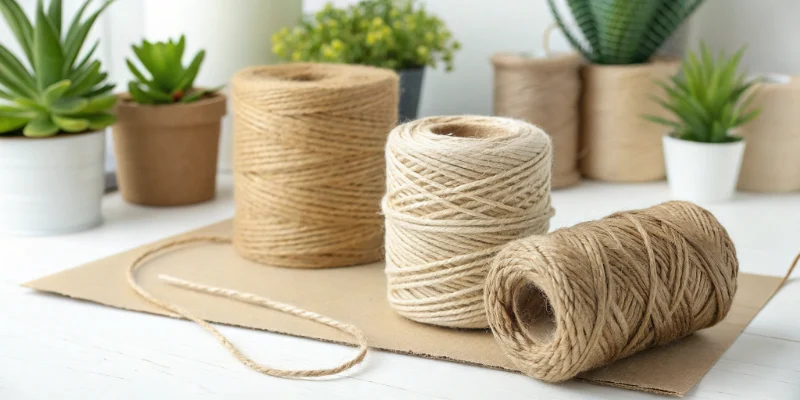
Jute is an efficient natural fiber crop with a short growing cycle and very low demand for land and water resources. During cultivation, it requires almost no fertilizers or pesticides3 and can absorb large amounts of carbon dioxide while releasing oxygen. One hectare of jute field can absorb more than ten tons of CO₂ each year. After harvesting, its root system remains in the soil, helping to improve soil quality and provide a better growing environment for the next crop.
Unlike petrochemical-based fibers, jute fabric is fully biodegradable and compostable, leaving no microplastic pollution. Its production consumes little energy and leaves a small carbon footprint, making it one of the most recognized sustainable materials. Today, more and more brands and manufacturers are choosing jute as a replacement for single-use packaging or synthetic textiles, making it a key driver of green manufacturing and the circular economy.
Jute fabric is not a single material but an entire family of sustainable textiles made from natural fibers. It combines strength, breathability, and environmental performance, with stable applications in packaging, home décor, industrial materials, and fashion. As global attention to low-carbon and renewable materials continues to grow, jute is reclaiming its place as an essential fiber in the new era of sustainable manufacturing.
Get a free quote and expert consultation today. Let's bring your brand vision to life.
1 This ScienceDirect page provides peer-reviewed material science data explaining how cellulose and lignin ratios define the physical and mechanical characteristics of jute fibers.
2 Drawn from peer-reviewed studies, this source explains how the plant-based bast fibre structure influences the mechanical strength and surface quality of jute textiles.
3 In environmental regulation, as noted by the U.S. Environmental Protection Agency, pesticides function as managed agents requiring strict oversight to balance pest control with ecological preservation.
Answer: A jute bag is made of jute fabric, which is woven from the natural bast fibers of the jute plant (genus Corchorus). Jute fibers are strong and durable, making the bag sturdy and reusable.
Answer: Yes. Jute fabric is 100% plant-based and fully biodegradable, so it decomposes naturally without producing plastic waste or microplastics.
Answer: The main types are White Jute, Tossa Jute, and Mesta Jute (Kenaf). Each differs in fiber softness, strength, color, and typical application — from lightweight textiles to heavy-duty bags and packaging cloth.
Answer: Compared with cotton or synthetic fibers, jute requires less water and fewer chemicals to grow, has a lower environmental footprint, and produces a stronger, more durable, and fully biodegradable bag.
Answer: Hessian or Burlap is a type of coarse, woven fabric traditionally made from jute (or sometimes other natural fibers). While all Hessian/burlap may be jute-based, “jute fabric” is a broader term — it can include different weaves, weights and blends beyond the coarse Hessian style.
Answer: Yes. Thanks to the high tensile strength and toughness of jute fibers, jute bags are well suited to carrying heavy groceries or goods, and they remain durable over repeated use.
Answer: Yes. Jute fabric has a naturally porous, open weave structure that allows good air circulation, making it suitable for mats, carpets, rugs, and home décor items.
Answer: Yes. Heavy-duty jute fabric, especially from strong fibers like Tossa Jute, is widely used for industrial sacks, bulk packaging, and transport bags, thanks to its durability and breathability.
Answer: A well-made jute bag can last for many years and hundreds of uses, far surpassing the lifespan of a single-use plastic bag — making it a cost-effective and sustainable choice.
Answer: Because jute fibers are coarse and natural, jute fabric may feel rougher than cotton. Also, jute items can be sensitive to prolonged exposure to water or humidity — so they should be stored dry and cleaned carefully to avoid mold or mildew.

Order or no-order we are Always here to help you!
We will contact you within 1 working day, please pay attention to the email with the suffix “@yanxinbag.com”.
Order or no-order we are Always here to help you!
We will contact you within 1 working day, please pay attention to the email with the suffix “@yanxinbag.com”.