
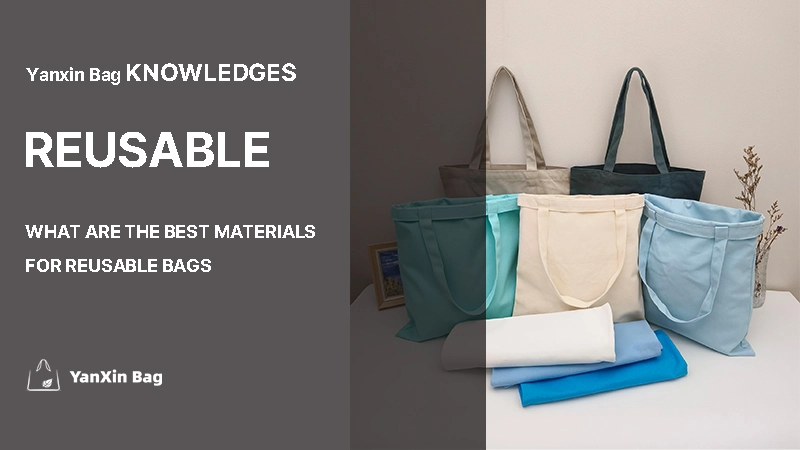
Plastic waste remains one of the most pressing environmental challenges of our time. While single-use bags are convenient, they come at a heavy cost to the planet. Switching to reusable eco-friendly bags is no longer just a trend—it’s a responsibility we all share.
However, with so many material options available for reusable bags, making the right choice can be confusing. Some fabrics are naturally biodegradable, while others, though synthetic, offer exceptional durability. Each material comes with trade-offs in terms of cost, strength, and environmental impact.
Quick Answer:
In this article, we’ll take an in-depth look at 12 of the most common reusable bag materials. You’ll see their pros and cons, side-by-side comparisons, and best-use scenarios—helping you choose the right eco bag for daily shopping, brand promotion, or bulk purchasing.
When choosing the right fabric for reusable bags, several key factors directly affect both user experience and purchasing decisions. Here are the main dimensions to keep in mind:
Considering these dimensions together will help you strike the right balance between sustainability, durability, cost, and brand value.
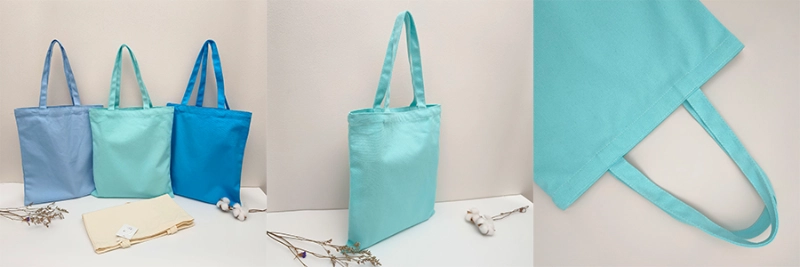
Cotton is one of the most commonly used materials for eco-friendly bags. True
Cotton is widely used for reusable tote bags due to its durability, washability, and biodegradability.
Tyvek bags are made from recycled paper. False
Tyvek is made from high-density polyethylene (HDPE), not recycled paper, and has a different fiber structure and water resistance.
Pros:
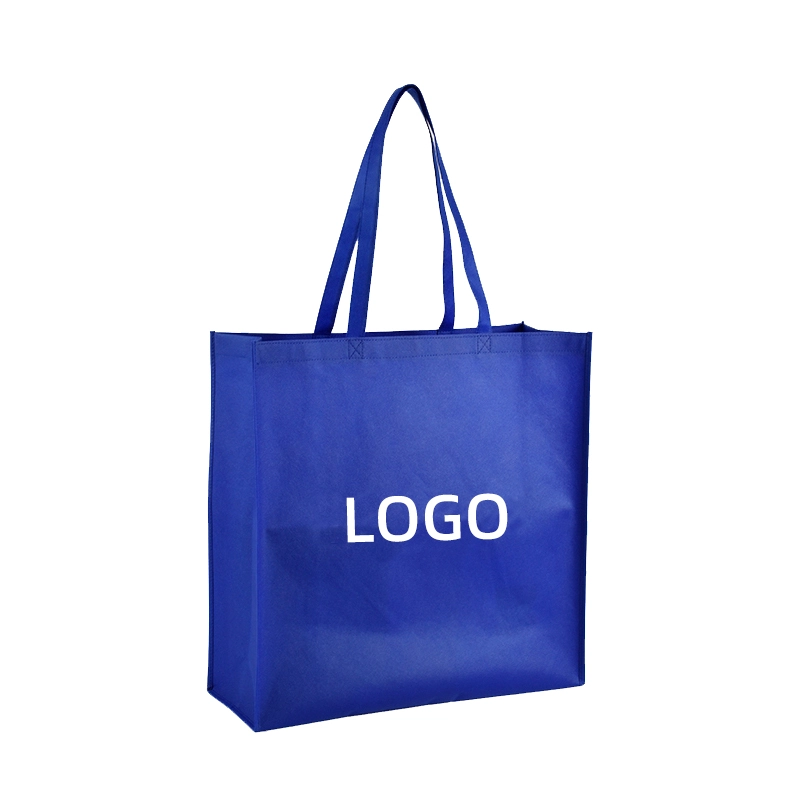
Cost-effective: Low production cost, ideal for bulk promotions and events.
Lightweight & Foldable: Easy to carry and store.
Customizable: Works well with screen printing, heat transfer, and vivid color options.
Adjustable structure: Different thickness levels offer varied load capacity; laminated versions add water repellence and stiffness.
Drawback:
However, NWPP is still a plastic-based material, and laminated types are difficult to recycle.

Jute is a biodegradable material often chosen for its natural look and strength. True
Jute is made from plant fiber, making it both strong and eco-friendly, commonly used for shopping or promotional bags.
Jute bags can be safely machine washed like cotton bags. False
Jute tends to weaken in machine washing and may shrink or fray; hand cleaning is usually recommended.
Woven Polypropylene (PP Woven) is made by interlacing flat polypropylene strips, creating a dense, stable fabric with exceptional tensile and abrasion strength. Compared to non-woven polypropylene, it offers greater durability and long-term stability, making it one of the most resilient plastic-based materials for reusable bags.
Pros:
Highly durable: The tightly woven structure provides excellent tensile strength and wear resistance.
Water- and stain-resistant: The laminated surface prevents moisture and dirt from penetrating the fabric.
Excellent print performance: Suitable for rotogravure printing with vivid, full-coverage designs and lasting color.
Easy to clean: Smooth surface allows quick wiping without frequent washing.
Drawback:
However, PP woven bags are made of plastic and are non-biodegradable, with the laminated layer making recycling more difficult.
RPET (Recycled Polyester) is produced by cleaning, shredding, melting, and re-spinning discarded PET bottles and other plastic waste into new fibers. As one of the key materials in the closed-loop recycling system, it offers a good balance between strength, stiffness, and print quality when laminated or woven.
Pros:
Made from recycled sources: Uses discarded PET bottles, reducing reliance on virgin plastic and fossil resources.
Strong and durable: The fibers are tough, abrasion-resistant, and designed for long-term use.
Excellent printability: The laminated surface is smooth and supports high-resolution full-color printing.
Water- and stain-resistant: The outer layer repels moisture and oil while maintaining a crisp, clean texture.
Drawback:
Although made from recycled materials, RPET is not biodegradable and should be reused extensively to offset its recycling energy cost.
Cotton bags are made from natural cotton fibers—one of the most common and traditional materials for eco-friendly bags. Cotton offers a soft hand feel, good breathability, and full biodegradability.
Pros:
Eco-friendly material: Biodegradable and reusable, reducing the need for single-use plastic bags.
Soft and comfortable: Natural texture with good breathability and skin-friendly feel.
Excellent print performance: Smooth surface suitable for screen printing and heat transfer with vibrant color results.
Washable and reusable: Easy to clean and durable for long-term use.
Drawback:
However, cotton fabric requires significant water during production and may slightly shrink or wrinkle after washing.
Material Types:
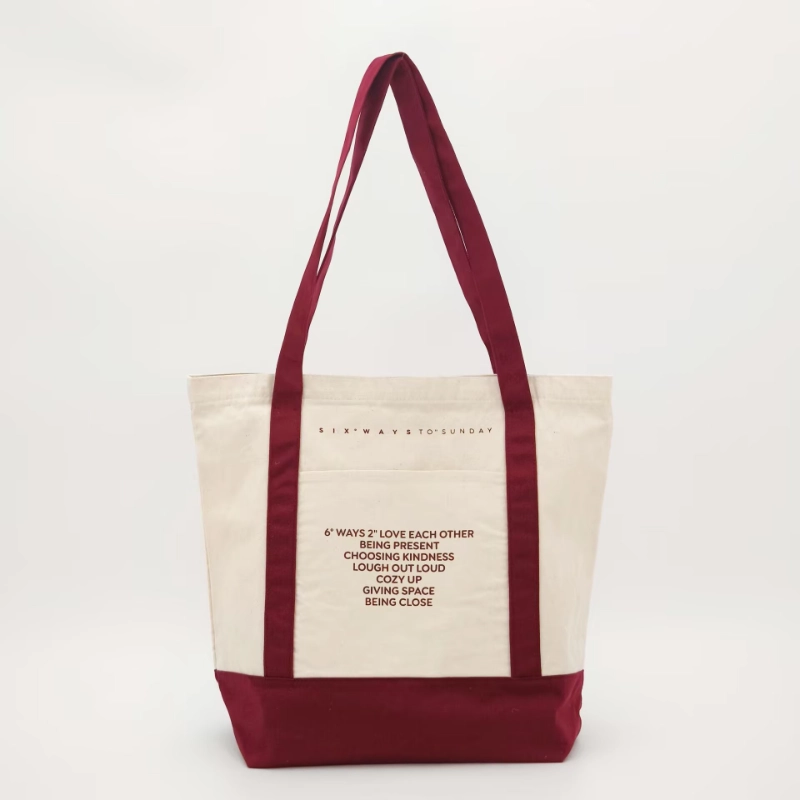
100% Cotton Canvas:
Natural feel, breathable, and fully biodegradable. It has a soft texture and eco-friendly appeal, ideal for premium or creative tote bags. However, it absorbs moisture easily and requires thorough air drying after washing.
Poly-Cotton Canvas:
A blend of cotton and polyester that combines softness with enhanced durability. It’s more resistant to abrasion and shrinkage than pure cotton, offering reliable print results and a more affordable cost—making it the most widely used option for custom shopping or promotional bags.
Full Polyester Canvas:
Made entirely from high-strength polyester fibers. The surface is smooth, firm, and wrinkle-resistant, with excellent water resistance and color stability. Suitable for high-durability or outdoor use. However, it’s non-biodegradable and less eco-friendly.
Pros:
Strong and durable: High-density weave provides excellent tensile and abrasion resistance for long-term use.
Excellent for printing: Compatible with screen printing, heat transfer, embroidery, and digital direct printing.
Flexible material options: Available in cotton, poly-cotton, or full polyester depending on budget and appearance needs.
Easy to clean: Washable and reusable for extended use.
Drawback:
Canvas fabric is relatively heavy; white canvas gets dirty easily, and dyed canvas may fade if washed improperly.
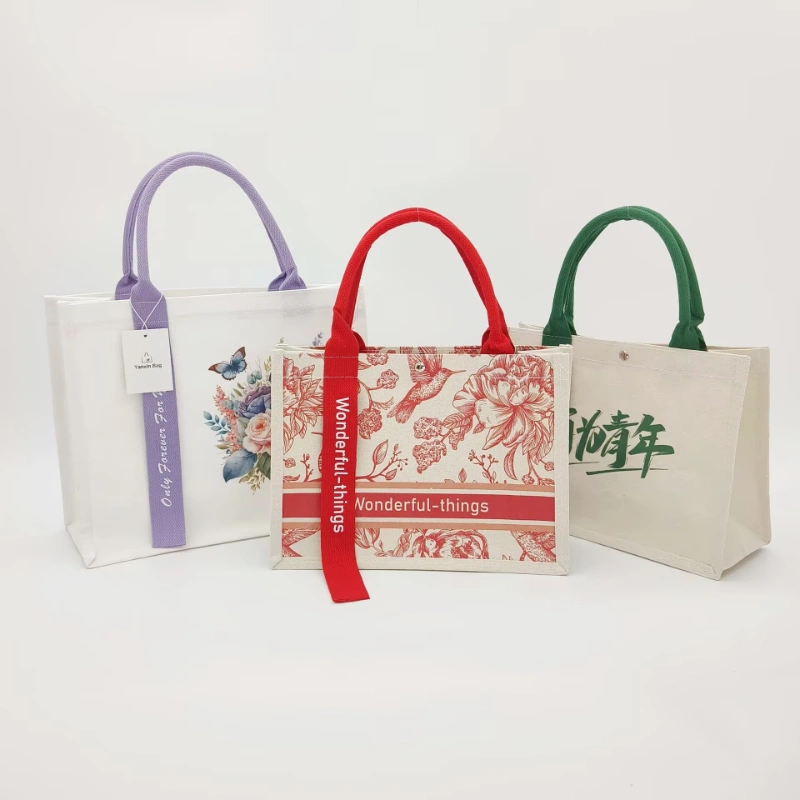
Washable kraft paper can mimic leather while remaining environmentally friendly. True
Its cellulose-based structure offers a leather-like texture that’s washable and sustainable, often used in fashion and packaging.
Muslin fabric is waterproof and suitable for wet storage. False
Muslin is an absorbent cotton fabric and not water-resistant, making it unsuitable for storing liquids or wet items unless specially treated.
Polyester bags are reusable bags made from synthetic fibers, featuring a combination of light weight, abrasion resistance, waterproof performance, and excellent print quality. As one of the most commonly used synthetic materials, polyester is widely applied in shopping bags, foldable totes, travel bags, and promotional gift bags.
Pros:
Lightweight and foldable: Thin yet strong, making the bags compact, portable, and easy to store.
Highly durable: Resistant to stretching and abrasion, maintaining shape after long-term use.
Quick-drying: Dries rapidly after washing and resists mold or odor buildup.
Excellent for printing: Smooth surface ideal for heat transfer and sublimation with vivid, detailed results.
Drawback:
Polyester fabric lacks breathability and, as a synthetic material, is non-biodegradable.
Nylon bags are made from polyamide fibers, offering superior abrasion resistance and tensile strength. Compared with polyester, nylon is softer, stronger, and more water-repellent, making it one of the most durable and lightweight synthetic materials available.
Pros:
Exceptional durability: Highly resistant to stretching and abrasion, ensuring a long service life.
Excellent water repellence: Dense fibers effectively resist light rain and liquid penetration.
Soft and lightweight: Smooth texture and flexible feel for comfortable carrying.
Premium appearance: Slight sheen gives nylon bags a higher-end, refined look.
Drawback:
Nylon fabric is relatively more expensive and, as a synthetic material, is non-biodegradable.
Jute bags are made from natural jute fibers known for their coarse texture and strong structure. Most shopping bags are laminated with a PE film for stiffness and moisture resistance, while drawstring jute bags are usually unlaminated, preserving their natural, breathable texture.
Pros:
Naturally eco-friendly: Made from renewable plant fibers that are fully biodegradable.
Strong structure: Thick, durable fibers with excellent tensile strength.
Rustic natural look: Unique coarse texture gives an earthy, eco-conscious appearance.
Optional lamination: PE-coated versions offer better moisture protection and shape retention.
Drawback:
The surface of jute is rough; unlaminated types absorb moisture easily, while laminated ones are harder to recycle.
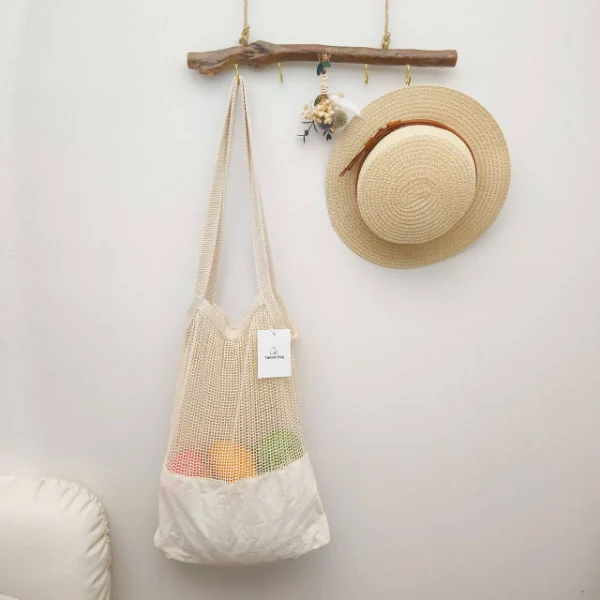
Cotton mesh bags are made from natural cotton fibers with a lightweight, breathable structure that gives them a casual and natural look. Unlike standard shopping bags, they stand out for their unique texture and relaxed style, often used for produce, storage, or lifestyle-oriented eco products.
Pros:
Natural and eco-friendly: Made of pure cotton, biodegradable, washable, and reusable.
Light and breathable: Open mesh design allows air flow and keeps the bag airy and fresh.
Distinctive style: Offers a soft, natural aesthetic that feels more personal and lifestyle-oriented than regular fabric bags.
Soft texture: Gentle to the touch with a clean, organic appearance.
Drawback:
Cotton mesh bags have limited strength and are not suitable for carrying heavy items.

Laminated non-woven bags are more durable than regular non-woven bags. True
The laminated film enhances durability and allows for vibrant full-color printing, making them ideal for retail packaging.
Laminated bags are always recyclable. False
Laminated layers often make recycling difficult because they combine multiple materials that require separation.
Tyvek bags are made from high-density polyethylene fibers, combining the look of paper with the strength of fabric. Depending on the material type, there are three main forms:
Hard Tyvek: Has a paper-like appearance and crisp texture, smooth on the surface with good structural stiffness.
Soft Tyvek: Feels more like fabric—light, flexible, and smooth to the touch.
Laminated Tyvek: Reinforced with a non-woven layer, giving it a leather-like texture and enhanced stiffness.
Pros:
Lightweight yet durable: Extremely light but resistant to tearing and moisture.
Distinctive texture: Unique paper-like surface that delivers a modern, natural aesthetic.
Moisture- and stain-resistant: Repels light water and dirt, keeping the surface clean.
Versatile material options: Available in paper-, fabric-, or leather-like versions to meet diverse design needs.
Drawback:
Tyvek is relatively costly.
Washable kraft paper bags are made from natural cellulose fiber pulp and specially treated to be water-resistant and reusable. They resemble traditional kraft paper in appearance but can be washed, folded, and reused, combining the natural look of paper with the practicality of fabric.
Pros:
Natural appearance: Distinct paper-like texture with a warm, handcrafted look.
Eco-friendly and sustainable: Made from natural fiber pulp, recyclable and biodegradable.
Firm and structured: Sturdy and shape-retaining, giving the bag a defined, sculpted form.
Unique aged texture: Washing and folding create natural creases and patterns that enhance its character and individuality.
Drawback:
Washable kraft paper is relatively costly and requires precise stitching techniques during production.
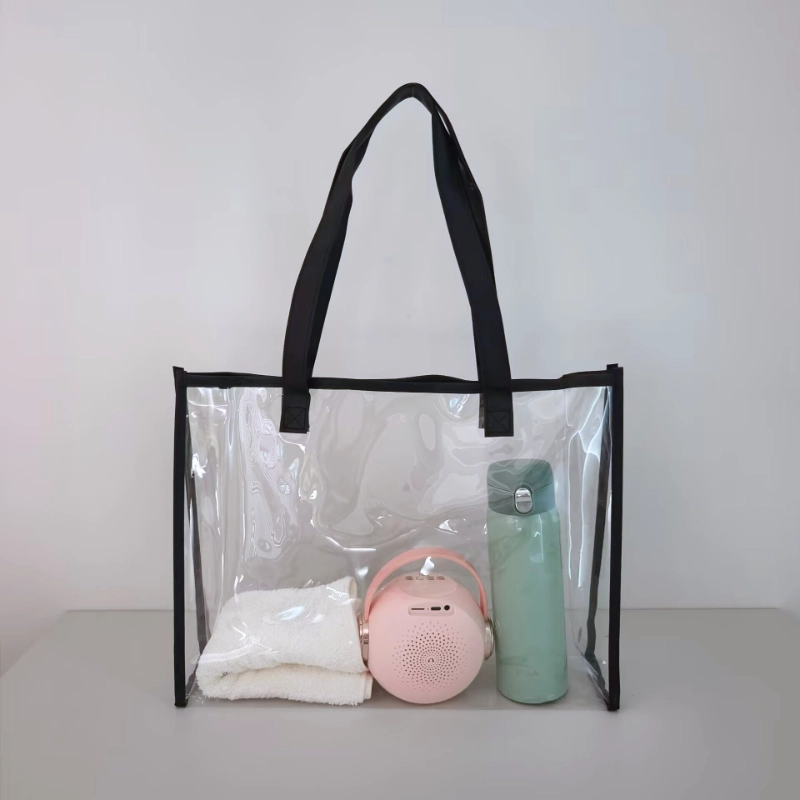
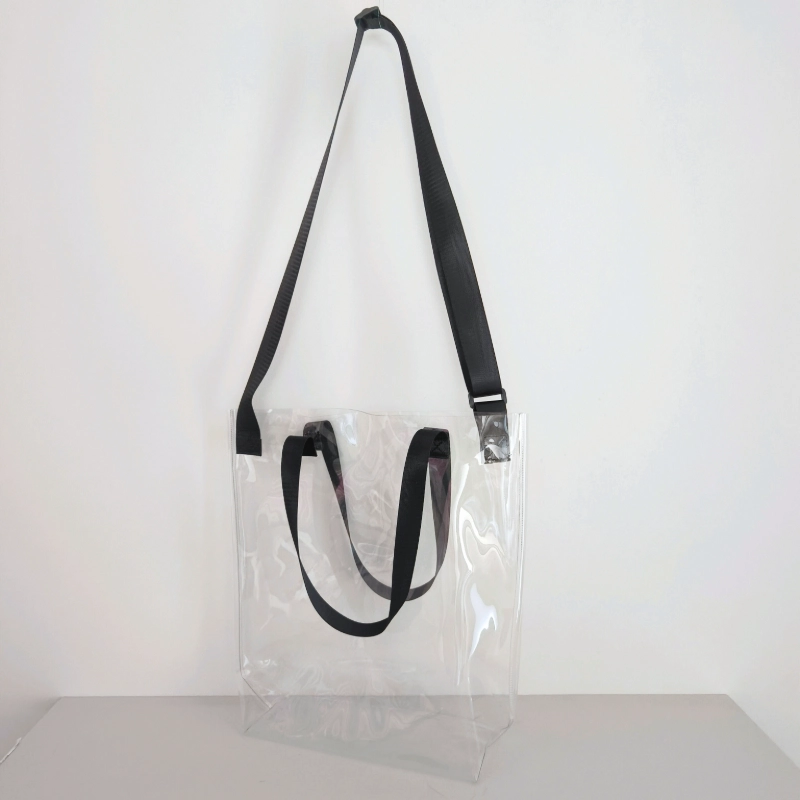
In the market, clear bags are commonly made from one of three materials — PVC, TPU, or EVA. Each material offers similar advantages such as waterproofing, high transparency, and easy maintenance, but differs in flexibility, eco-friendliness, weather resistance, and cost.
PVC (Polyvinyl Chloride): Offers high clarity, good stiffness, and the lowest cost. Modern eco-grade PVC uses phthalate-free plasticizers, which are low-odor and recyclable. Over time, it may slightly yellow due to UV exposure or oxidation, and can become firmer in cold weather — both are normal aging effects that do not affect usability.
TPU (Thermoplastic Polyurethane): Soft, flexible, and highly transparent with outstanding abrasion and aging resistance. It provides the best tactile feel and longest service life among the three, though it also has the highest cost.
EVA (Ethylene Vinyl Acetate): Non-toxic, odorless, waterproof, and moderately flexible. It is considered the most eco-friendly of the three and is widely used for mid- to high-end packaging and children’s products.
Pros:
Excellent waterproofing: Fully resistant to water and moisture.
High transparency: Clean and modern look that keeps contents visible.
Easy to clean: Smooth surface can be wiped or rinsed effortlessly.
Versatile design options: Works well with fabric trims, heat-sealing, and printed details.
Drawback:
Clear materials are prone to light surface scratches; PVC has limited cold resistance
Canvas bags can be blended with polyester to increase strength and reduce cost. True
Polyester-cotton blends offer better tear resistance and lower unit cost than 100% cotton while preserving a canvas texture.
Washable kraft paper bags cannot hold moisture or resist water. False
Washable kraft paper can resist brief water contact due to its structure and treatment, though it is not fully waterproof.
| Material | Eco-friendliness | Durability | Cost | Printability | Washability |
|---|---|---|---|---|---|
| Cotton Bag | ⭐⭐⭐⭐⭐ | ⭐⭐ | ⭐⭐⭐ | ⭐⭐⭐⭐⭐ | ⭐⭐⭐ |
| Canvas Bag | ⭐⭐⭐⭐ | ⭐⭐⭐⭐⭐ | ⭐⭐ | ⭐⭐⭐⭐ | ⭐⭐⭐ |
| Jute Bag | ⭐⭐⭐⭐ | ⭐⭐⭐⭐ | ⭐⭐ | ⭐⭐ | ⭐ |
| Cotton Mesh Bag | ⭐⭐⭐⭐⭐ | ⭐⭐ | ⭐⭐⭐ | ⭐ | ⭐⭐⭐ |
| Non-woven Bag | ⭐⭐⭐ | ⭐⭐ | ⭐⭐⭐⭐⭐ | ⭐⭐⭐⭐⭐ | ⭐⭐⭐⭐ |
| PP Woven Bag | ⭐⭐ | ⭐⭐⭐⭐ | ⭐⭐⭐ | ⭐⭐⭐⭐⭐ | ⭐⭐⭐⭐ |
| RPET Bag | ⭐⭐ | ⭐⭐⭐⭐ | ⭐⭐ | ⭐⭐⭐⭐⭐ | ⭐⭐⭐⭐ |
| Polyester Bag | ⭐⭐ | ⭐⭐⭐ | ⭐⭐⭐ | ⭐⭐⭐⭐⭐ | ⭐⭐⭐⭐ |
| Nylon Bag | ⭐⭐ | ⭐⭐⭐⭐ | ⭐⭐⭐ | ⭐⭐⭐⭐⭐ | ⭐⭐⭐⭐ |
| Tyvek Bag | ⭐⭐ | ⭐⭐⭐⭐ | ⭐⭐ | ⭐⭐⭐⭐⭐ | ⭐⭐⭐⭐ |
| Washable Kraft Paper Bag | ⭐⭐⭐ | ⭐⭐⭐ | ⭐ | ⭐⭐⭐ | ⭐⭐⭐ |
| Clear Bags (PVC / TPU / EVA) | ⭐⭐⭐ | ⭐⭐⭐⭐ | ⭐⭐ | ⭐⭐⭐ | ⭐⭐⭐⭐ |
| Category | Material | Evaluation |
|---|---|---|
| High | Cotton, Jute, Cotton Mesh, Washable Kraft Paper, 100% Cotton Canvas | Natural plant fiber or paper-based materials; biodegradable, renewable, and compostable. |
| Medium | RPET, Tyvek, Poly-Cotton Canvas, TPU (partial formulations) | Made from recycled or partially renewable sources; some eco-friendly advantages. |
| Synthetic-Based | Polyester, Nylon, Non-Woven PP, PP Woven, PVC, EVA, PE, 100% Polyester Canvas | Petrochemical-based materials; non-biodegradable but reusable and cost-effective. |
| Category | Material Types | Notes |
|---|---|---|
| High | Canvas, PP Woven, Nylon, Recycled Polyester (RPET) | Strong and tear-resistant |
| Medium | Non-Woven, Tyvek, TPU, Washable Kraft Paper, Polyester, Jute, Cotton | Good for daily use with moderate load-bearing capacity |
| Low | Cotton Mesh Bags, Clear Bags | Limited strength; suitable only for light items and controlled use scenarios |
| Category | Material Types | Notes |
|---|---|---|
| High | Non-Woven, Polyester | Low material and processing costs; ideal for large-volume production and budget promotions |
| Medium | Cotton, Canvas, Clear Bag, RPET, PP Woven, Cotton Mesh | Moderate unit cost with balanced performance; suitable for mid-range markets or brand marketing |
| Low | Jute, Tyvek, Washable Kraft Paper, Nylon | Higher material cost or complex processing; best for eco-conscious or brand-focused applications |
| Category | Material Types |
|---|---|
| High | Cotton, Canvas, Non-Woven, Polyester, RPET, PP Woven, Tyvek, Nylon |
| Medium | Jute, Clear Bag (PVC, TPU, EVA), Washable Kraft Paper |
| Low | Cotton Mesh |
| Category | Material Types |
|---|---|
| High | Polyester, Nylon, TPU, PVC, EVA, RPET, Tyvek, PP Woven |
| Medium | Non-woven, Washable Kraft Paper, Cotton, Canvas, Cotton Mesh |
| Low | Jute |
Naturally fast-growing and renewable, bamboo is being processed into soft, breathable fabrics. Bamboo fiber blends are increasingly used in reusable bags due to their antibacterial properties and natural texture.
Closed-loop systems and chemical recycling are allowing materials like PET and nylon to be reused multiple times without quality loss. This supports the rise of high-quality RPET bags made entirely from post-consumer waste.
Innovations in surface treatments, such as nano-coatings or eco-friendly waterproof films, are helping fabric bags resist moisture and wear without relying on harmful laminations. These coatings enhance longevity while maintaining recyclability.
From cotton and jute to Tyvek and clear materials, each reusable bag material has its own ideal applications and design logic. Some are better suited for printing and branding, while others focus on water resistance, durability, or renewable sourcing. Whether you prioritize aesthetics, cost, or sustainability, it’s important to evaluate your actual use case and customer needs before making a choice. Understanding the core characteristics of each material is the first step to making the right decision.
If you’re looking for reusable bag solutions that balance sustainability and performance, Yanxin Bag is a professional reusable bag manufacturer offering a wide range of custom reusable bag options tailored to your brand, purpose, and budget. We support eco-friendly materials like cotton, canvas, jute, RPET, Tyvek, and washable kraft paper, along with multiple customization choices in printing, structure, and closure styles.
Reach out to Yanxin Bag—your reliable reusable bag factory—for a seamless, end-to-end custom bag production experience.
Looking for a complete guide to eco-friendly canvas tote bags?
This pillar page provides an in-depth look at canvas tote bags — covering materials, structure, printing, and customization — and serves as the foundation for all canvas-related content. 《The Ultimate Guide to Canvas Tote Bags》
Wondering how cotton bags differ from canvas bags?
This comparison explains the main differences between cotton and canvas in texture, durability, and care requirements, helping you understand which material better suits your product needs. 《Cotton Bag VS Canvas Bag: What’s the Difference?》
Want a clear understanding of what makes a tote bag unique?
This guide explains the origin, structure, and materials of tote bags, along with their uses and care methods. It provides a complete overview of how tote bags combine practicality with sustainability. 《What Is a Tote Bag? The Ultimate Guide to Tote Bags》
Curious why tote bags have become a must-have in daily life?
This article discusses what makes tote bags popular — including their material advantages, versatility, and role in sustainable living — showing why they appeal to both brands and consumers. 《Why Are Tote Bags So Popular? The Pros of Tote Bags》
Want to keep your reusable bags fresh and in good condition?
This article explains how to properly clean and maintain grocery bags made from cotton, canvas, and similar materials. It covers safe washing methods, drying tips, and care practices that help extend their lifespan. 《How to Clean Reusable Grocery Bags》
Get a free quote and expert consultation today. Let's bring your brand vision to life.
1 Explore various eco-friendly bag materials to make informed choices for sustainability and environmental impact.
2 Explore various eco-friendly bag materials to make informed choices for sustainability and environmental impact.
3 Explore this link to understand how PLA can revolutionize sustainable packaging and its environmental benefits.
Answer: Canvas, PP woven, nylon, and RPET are considered the most durable options due to their strong fabric structure and high load-bearing capacity.
Answer: Yes, cotton bags are made from renewable natural fibers and are biodegradable, making them one of the most eco-friendly choices—especially when reused over time.
Answer: Materials like RPET, PE, or even some PVC types can be considered eco-friendly if sourced from recycled plastics and reused multiple times.
Answer: Yes, Tyvek is water-resistant and can be cleaned with a damp cloth, but machine washing is not recommended.
Answer: Clear PVC, TPU, and EVA bags are often TSA-approved for airport security checks, especially quart-size pouches for liquids.
Answer: Bamboo grows faster and requires less water than cotton, but pure bamboo fabric is less common and usually blended with other fibers.
Answer: Muslin bags are widely used in organic food packaging, wedding favors, eco-conscious branding, handmade cosmetics, e-commerce shipments, and promotional giveaways.
Answer: Most laminated bags (like those with PP films) are hard to recycle due to mixed materials, unless specifically processed by industrial recyclers.
Answer: RPET stands for Recycled Polyethylene Terephthalate, made from recycled plastic bottles. It helps reduce plastic waste and conserve natural resources, while offering durability and excellent printability for reusable shopping bags.
Answer: Yes, each material has its load-bearing capacity. Canvas and PP woven bags can carry heavier items, while mesh or kraft paper bags are more limited.

Order or no-order we are Always here to help you!
We will contact you within 1 working day, please pay attention to the email with the suffix “@yanxinbag.com”.
Order or no-order we are Always here to help you!
We will contact you within 1 working day, please pay attention to the email with the suffix “@yanxinbag.com”.