
Our Academy
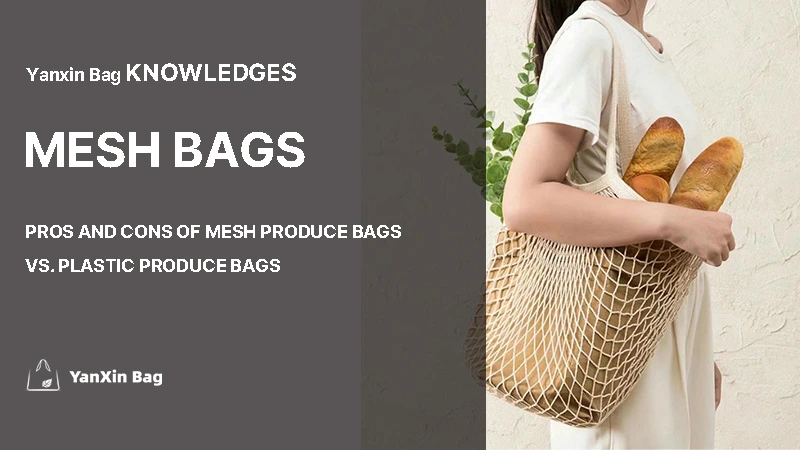
In recent years, as environmental awareness has increased, consumers are looking for more sustainable shopping bag options. Mesh produce bags and plastic produce bags are two of the most common choices, but each has its own advantages and disadvantages. This article will compare them in terms of environmental impact, durability, breathability, ease of cleaning, sealing ability, convenience, and cost-effectiveness to help you find the best option.
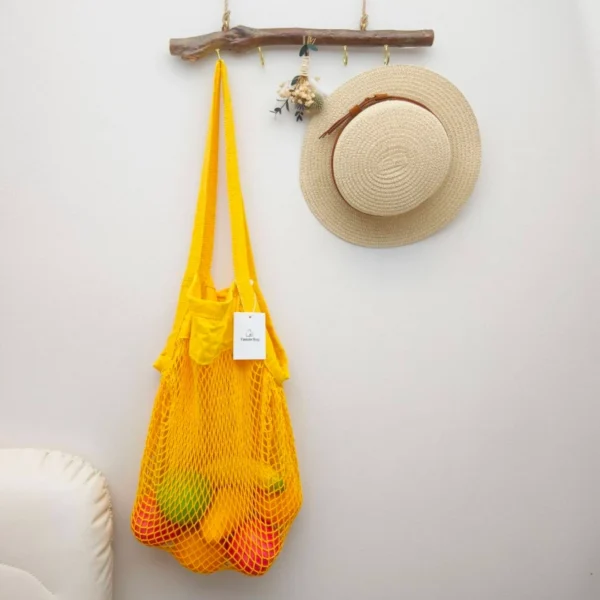
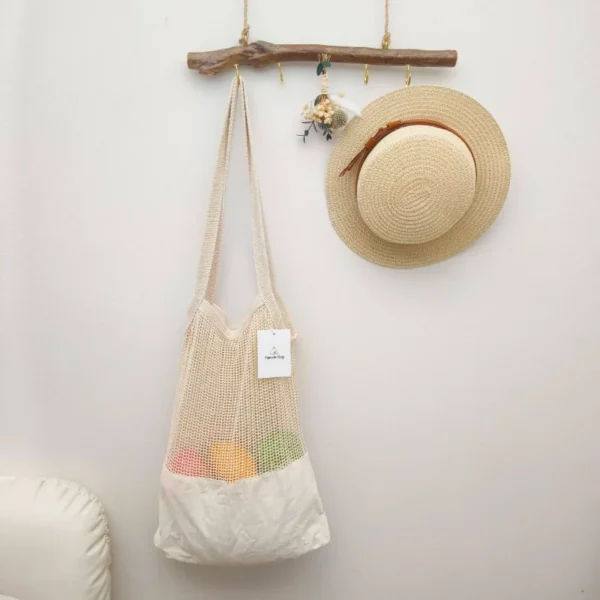
A mesh produce bag is a reusable bag made from mesh material, commonly available in cotton, polyester, or nylon. The breathable and lightweight mesh structure makes it suitable for multiple uses and easy maintenance. Mesh bags are widely used for shopping, household storage, and travel, especially for storing items that require airflow, such as fresh fruits and vegetables. These bags come in different sizes and styles, often featuring drawstrings or handles for easy carrying, making them a popular choice for eco-friendly shopping.
Mesh bags are usually made from sustainable materials such as cotton, polyester, and nylon. These materials are more biodegradable or recyclable at the end of their lifecycle, reducing environmental impact and preventing long-term plastic pollution. Unlike plastic bags, mesh bags do not release microplastics into the environment, making them a safer choice for marine and land ecosystems.
Using mesh produce bags significantly reduces the need for single-use plastic bags. Their durable design allows for multiple uses, decreasing reliance on plastic. Cutting down on plastic waste helps protect the environment, conserves resources, and reduces pollution, contributing to sustainable development.
The breathable design of mesh bags allows air to circulate freely, helping to keep fruits and vegetables fresh. This airflow prevents moisture and ethylene gas buildup, slowing down the ripening process and effectively extending shelf life. By storing produce in mesh bags, you can maintain freshness for longer while preserving more vitamins and minerals, ensuring that food retains its nutritional value.
Since mesh bags help extend the freshness of produce, they also contribute to reducing food waste. Longer-lasting food means less frequent disposal of spoiled items, ultimately saving money on grocery expenses. This not only minimizes food loss but also supports a more sustainable lifestyle.
Compared to regular shopping bags, mesh produce bags are built to last, making them a cost-effective choice. They are resistant to tearing and can be used repeatedly without wearing out quickly. While the initial cost may be higher than plastic bags, their longevity makes them a more economical option in the long run. Using reusable mesh bags helps save money over time while promoting an environmentally friendly lifestyle.
Mesh bags come in various sizes and styles, making them useful for different purposes. They are not only great for shopping but also for household storage, travel, and outdoor activities. The mesh structure allows for easy visibility of contents, making it simple to identify stored items. Small bags can be used for nuts and spices, while larger bags are ideal for bulkier produce. Whether as a toy storage bag, laundry bag, toiletries bag, or travel organizer, mesh bags serve as a practical tool in everyday life.
Most mesh produce bags can be either hand-washed or machine-washed, making them easy to clean and maintain. Washing them in a laundry bag helps prevent stretching or deformation, and avoiding high-heat drying extends their lifespan. Keeping them clean ensures hygiene and long-term usability, making mesh bags a reliable choice for sustainable shopping.
The breathable design of mesh bags not only helps maintain produce freshness but also makes it easier to sort and store different types of food. Leafy greens, root vegetables, and fruits can be stored separately to prevent cross-contamination. At home, transparent mesh bags help keep food organized, making it easy to find and access items quickly.
Mesh bags come in a variety of styles, and their transparent design allows easy visibility of contents while also offering opportunities for customization. Many brands print their logos or promotional messages on mesh bags, using them as eco-friendly giveaways for customers. This feature makes mesh bags a great marketing tool while also promoting sustainability.

Reusable mesh produce bags are a sustainable alternative to single-use plastic grocery bags. True
Using eco-friendly reusable mesh produce bags helps reduce plastic waste and supports zero-waste shopping.
All mesh grocery bags are made from sustainable, biodegradable materials. False
Some mesh shopping bags are made from synthetic materials like polyester and nylon, which are not biodegradable.
Compared to plastic bags, mesh produce bags have a higher upfront cost, which may be a burden for some consumers. This can be a limiting factor, especially for those who only need a bag for one-time use or have a tight budget.
Mesh bags need regular washing to stay hygienic, which may be inconvenient for users who are used to simply discarding plastic bags. Cleaning takes extra time and effort, and frequent use means maintenance costs will gradually increase.
Plastic produce bags are usually made of polyethylene and have long been the preferred choice for packaging and transporting fresh produce. They are lightweight, transparent, and widely available in supermarkets and markets worldwide. However, despite their convenience, the environmental impact of plastic bags has become a growing concern.
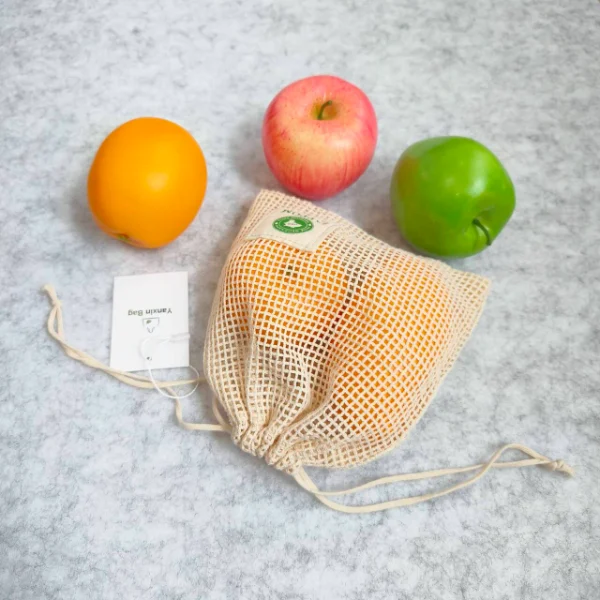
Custom printed mesh grocery bags are available for businesses looking to promote their brand in an eco-friendly way. True
Many eco-conscious brands use bulk mesh grocery bags with logos to encourage sustainable shopping.
Plastic produce bags help fruits and vegetables stay fresh longer than mesh produce bags. False
Plastic bags trap moisture, which can accelerate spoilage, while breathable mesh grocery bags prevent condensation buildup.
Plastic bags are extremely cheap to produce, which is why they are often provided for free or at a very low price in many stores. Their affordability makes them a common choice for both consumers and businesses.
Plastic bags are lightweight and compact, making them easy to fold and store. Consumers can carry multiple plastic bags with them, making them convenient for unexpected needs.
Plastic bags have strong waterproof properties, effectively protecting their contents from rain or moisture.
Plastic bags are resistant to oil, making them ideal for packaging greasy, moist, or leak-prone foods and items. They also have good odor-blocking properties, which help contain strong-smelling foods and prevent leaks or unpleasant odors during storage and transportation.
Plastic bags come in a wide range of sizes and designs, from small grocery bags to large trash bags, catering to diverse needs.
Despite their lightweight nature, plastic bags are durable and can hold a significant amount of weight, making them suitable for carrying a variety of goods.
Plastic bags are widely used in retail, food packaging, waste management, and many other industries, making them highly versatile.
Plastic bags can be manufactured quickly and at low cost, and even large-scale production remains inexpensive. For retailers, the supply chain for plastic bags is well-established, allowing for rapid, high-volume production to meet demand.
Although many plastic bags are single-use, some consumers reuse them for purposes such as trash bags or storage, extending their usability.
Plastic bags provide a physical barrier during transportation and handling, effectively preventing contamination and keeping fruits and vegetables clean and fresh.
Plastic bags are transparent, allowing customers to see the contents at a glance, making it easy to find and retrieve items.

Plastic bags take hundreds of years to decompose. After use, they are often discarded, leading to a massive accumulation of plastic waste in the environment, posing a serious threat to ecosystems. As plastic bags break down, they turn into microplastics, polluting oceans and entering the food chain, which can negatively impact human health.
Most plastic bags are thrown away after a single use, contributing significantly to waste buildup. Statistics show that in the U.S. alone, over 93 billion plastic bags go unrecycled every year, ending up in landfills or the natural environment.
Plastic bags trap moisture due to their airtight nature, making them unsuitable for long-term produce storage. The lack of airflow can cause fruits and vegetables to accumulate excess moisture, accelerating spoilage.
Discarded plastic bags pose a serious threat to wildlife. Animals may mistake them for food and ingest them, leading to injury or even death. Others may become entangled in plastic waste, which can cause suffocation or mobility issues.
While some plastic bags are technically recyclable, many recycling facilities do not process them due to contamination or the high cost of recycling. As a result, most plastic bags still end up in landfills or the environment.
Plastic bags are made from petroleum-based materials like polyethylene. Their production relies on non-renewable fossil fuels, and the manufacturing process contributes to greenhouse gas emissions.
Plastic bags are commonly found littering streets, parks, and waterways, negatively affecting the aesthetic appeal of cities and natural landscapes.
In certain conditions, chemicals from plastic bags can leach into food and beverages, especially when exposed to heat or long-term storage. This can lead to potential health concerns over time
| Feature | Mesh Produce Bags | Plastic Produce Bags |
|---|---|---|
| Eco-Friendliness | Reusable, biodegradable (some materials), reduces plastic waste | Hard to recycle, causes severe pollution |
| Durability | Strong and long-lasting, can be used for years | Prone to tearing, mostly single-use |
| Breathability | Allows airflow, prevents fruit and vegetable spoilage | Airtight, traps moisture, accelerates spoilage |
| Cleaning & Maintenance | Washable but requires regular cleaning | Disposable, no need for cleaning |
| Sealing Ability | Not fully sealable, unsuitable for small or loose items | Good seal, ideal for bulk food storage |
| Convenience | Foldable, easy to store, multi-purpose | Lightweight and easily accessible, but can be messy |
| Cost-Effectiveness | Saves money in the long run by reducing plastic bag purchases | Cheap to buy, but higher long-term costs |
Mesh Produce Bags
Plastic Produce Bags
Conclusion: Mesh produce bags are the more eco-friendly choice.
Mesh Produce Bags
Plastic Produce Bags
Conclusion: Mesh bags are more durable and cost-effective in the long run.
Mesh Produce Bags
Plastic Produce Bags
Conclusion: Mesh produce bags offer better breathability and are ideal for storing fresh produce.
Mesh Produce Bags
Plastic Produce Bags
Conclusion: Mesh bags are more versatile and convenient for long-term use.
Mesh Produce Bags
Plastic Produce Bags
Conclusion: In the long run, mesh produce bags are the more economical option.
| Use Case | Mesh Produce Bags | Plastic Produce Bags |
|---|---|---|
| Shopping | Ideal for daily grocery and market shopping | Suitable for short-term use |
| Food Storage | Helps keep produce fresh | Traps moisture, leading to faster spoilage |
| Organization & Storage | Great for travel and home organization | Not ideal for long-term storage |
| Portability | Foldable and easy to carry | Lightweight but can be difficult to store neatly |
No matter whether you choose mesh produce bags or plastic produce bags, the most important thing is to use them responsibly and reduce waste. However, if you’re looking for a more eco-friendly, durable, and cost-effective option, mesh produce bags are undoubtedly the better choice.
Yanxin Bag specializes in manufacturing custom mesh produce bags. As an experienced mesh produce bag manufacturer, we are committed to providing high-quality, sustainable bags for customers worldwide. We offer a variety of customization options, including material selection, color matching, size customization, and branding prints, helping your brand stand out in the eco-friendly shopping bag market.
Contact us today for a free design consultation and samples—let’s take your brand toward a more sustainable and eco-conscious future!
New to reusable produce bags and want the full picture?
This article introduces what reusable produce bags are, explores their development background and usage advantages, and explains how to choose and customize them. It also includes practical tips on styles, materials, printing, sizing, and maintenance. 《A Complete Guide For Best Reusable Produce Bags》
Not sure what materials are used in mesh bags?
This article explains the most common mesh fabrics used in reusable bags, highlighting their weave structures, feel, visual texture, and environmental characteristics. It also compares which materials are best suited for different purposes. 《What Are the Common Mesh Fabrics for Mesh Bags?》
Want your cotton mesh bags to stay clean and last longer?
This article focuses on how to properly clean and maintain cotton mesh produce bags. It explains how often to clean, compares hand-washing with machine-washing, and includes practical tips on drying and storage to prevent damage. 《How to Properly Care for a Cotton Mesh Produce Bag?》
Looking for a better way to keep herbs fresh?
This article explains why mesh bags are ideal for storing fresh herbs. It breaks down the needs of herb storage, shows how mesh supports ventilation, and walks through step-by-step instructions for optimal storage results. 《How to Store Fresh Herbs Using Mesh Reusable Produce Bags》
Looking for seasonal mesh bag inspiration?
This article focuses on cotton mesh bags and explains why they’re suitable for summer-related categories like swim and outdoor. It analyzes multiple use scenarios, highlights matching design features, and provides tips on sourcing for different brand needs.
《Mesh Bags for Summer: Multi-Scene Uses & Sourcing Tips for Swim, Gym, and Outdoor Brands》
Get a free quote and expert consultation today. Let's bring your brand vision to life.
1 Discover the reasons behind the continued use of plastic bags, including their versatility and effectiveness for various storage needs.
2 Understanding the risks of bacterial contamination can help you make informed choices about using plastic bags safely.
3 Exploring this topic can provide insights into material selection for various applications.
Answer: Jute bags are eco-friendly, durable, reusable, and biodegradable. They reduce plastic waste and are cost-effective, making them a great choice for sustainable living.
Answer: Yes, jute bags are strong and durable enough to carry heavy loads. However, for extremely heavy items, alternative materials like canvas or synthetic bags may be more suitable.
Answer: With proper care, jute bags can last up to 4 years or more. They are highly durable but should be kept dry to prevent mold and mildew.
Answer: Yes, jute bags can shrink if washed in a machine. It is recommended to hand wash or spot clean them to maintain their size and shape.
Answer: Jute bags are not naturally water-resistant. They absorb moisture, so it’s essential to keep them dry to avoid mold and mildew growth.
Answer: Yes, jute bags are highly customizable. You can add logos, prints, and designs, making them ideal for business promotions and giveaways.
Answer: While jute bags typically cost more upfront than plastic bags, their durability and long lifespan make them a more cost-effective option over time.
Answer: To keep jute bags in good condition, store them in a dry, cool place, and avoid folding them to prevent wrinkles and maintain their shape.
Answer: Jute is a natural, hypoallergenic material and is generally safe for those with sensitive skin or allergies. However, it’s always recommended to check for any personal skin reactions.
Answer: Jute bags can be repurposed for various uses, such as home decor, pet beds, gardening, or storage. Their durability and recyclability make them perfect for creative upcycling.

Order or no-order we are Always here to help you!
We will contact you within 1 working day, please pay attention to the email with the suffix “@yanxinbag.com”.
Order or no-order we are Always here to help you!
We will contact you within 1 working day, please pay attention to the email with the suffix “@yanxinbag.com”.