
Our Academy
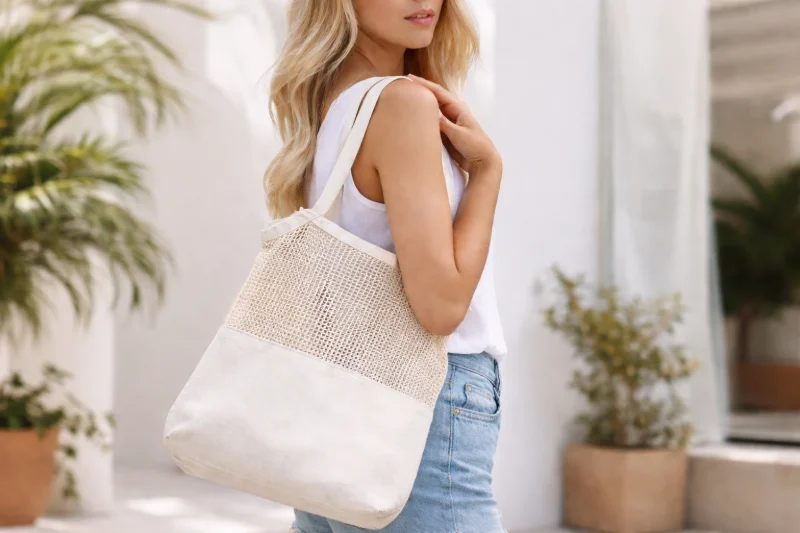
Mesh bags are not suitable for direct printing, and this is determined by the material itself. Most mesh fabrics have large openings and a loose structure, so ink cannot adhere to the surface and cannot form a complete and clear print. Because of this limitation, printing is usually not done on the mesh body. Instead, branding is achieved through other parts of the bag or added components. Based on this, several common and practical printing solutions have developed in the market.
Common mesh bag printing methods can generally be divided into two types. One is using existing structural parts of the bag for printing. The other is adding extra components to carry the branding. Each method differs in presentation, application, and overall effect. The following sections break down these options one by one.
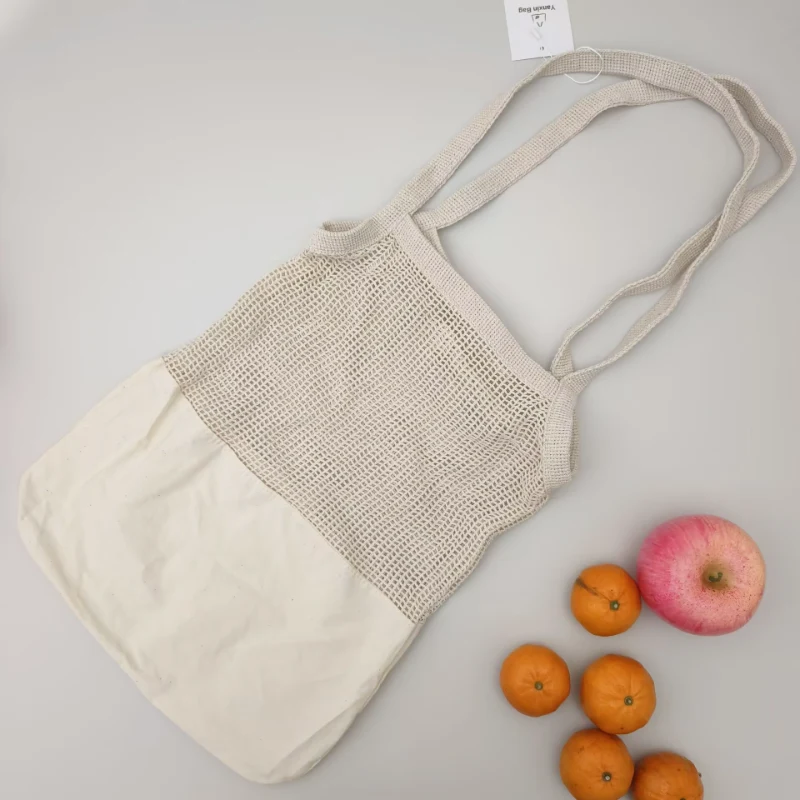

Some mesh bags are designed with cotton panels as part of the structure. This can include a cotton panel at the bottom, a cotton band along the top, or an internal cotton pocket. Bags with an internal pocket are often foldable as well. These cotton areas can be used for printing because the surface is smooth and tightly woven, making them suitable for screen printing or embroidery1. The result is a clearer and more stable print.
Printing on the handles is a way to concentrate brand visibility in one area. The handles can be printed continuously along their full length, such as repeating logos or text patterns, creating a strong visual identity. In many real projects, the handle becomes the most noticeable branding area. Since the mesh body cannot be printed, this naturally turns into the main display space for the brand.
Sewing a fabric label2 onto the bag is a very common way to add printed branding. The label is usually placed on the front of the bag. Larger labels can act as a more noticeable visual element and may even be sewn together with the handle. Smaller labels are more often placed at the center or slightly toward the lower right area of the front, creating a cleaner and more subtle look. In general, larger and more eye-catching labels are more often used on colored bags, while natural-colored mesh bags tend to use smaller, single-color logos for a more balanced and consistent style.
Adding a care label or woven label inside the bag or along the side seam is a more subtle printing approach. These labels are usually small in size and can include basic information such as material details and care instruction icons, along with a simple logo. The overall effect is more functional and does not affect the appearance of the bag.
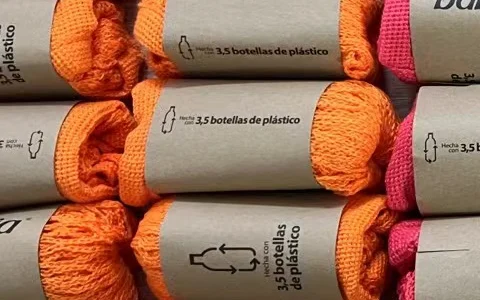
Adding a paper sleeve around the mesh bag is a more packaging-focused way to present branding. The sleeve usually carries a logo, basic product information, or simple visual elements, while also making the overall product look more complete and gift-ready. This method can be used on its own or combined with other printing options on the bag.
Using an individual OPP bag or applying a sticker label on the outer packaging is a very flexible way to handle printing. The printed content can be easily adjusted based on different products, and it also helps keep things manageable when updates are needed. This approach works well for e-commerce shipments, projects with multiple SKUs, or cases where information changes frequently.
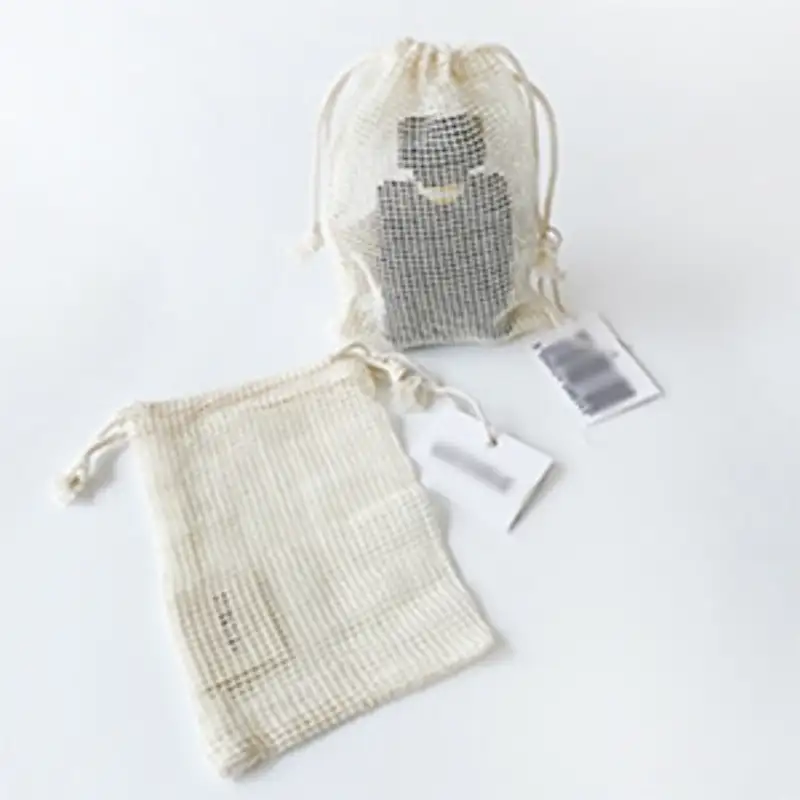
Attaching a hang tag to the bag is a packaging-oriented way to present branding. The tag can be kept very simple with just a logo, or it can include more detailed information, depending on the need. It helps create a more complete presentation before use, while remaining removable after purchase. This makes it a practical option for adding a more refined feel without changing the bag itself.
If the overall product leans toward a natural or minimalist style, smaller fabric labels or care labels tend to work better. These options are more subtle and won’t disrupt the lightweight, casual feel of the mesh bag, helping keep the overall look consistent.
If you want the logo to stand out more, handle printing or larger fabric labels are better choices. These approaches create a clearer visual identity and are more noticeable in actual use.
If the focus is on overall presentation, you can add a paper sleeve, hang tag, or outer packaging print. These methods enhance the packaging feel, making the product look more complete and suitable for display or gifting.
If the bag is mainly for everyday use or shipping, adding branding directly to the bag structure is usually the simplest approach. If it is intended for display or retail, adding external elements can create a stronger visual impact.
If you need to include material details, usage instructions, or other additional information, hang tags or care labels are more suitable. These placements are better for carrying detailed content without affecting the overall appearance of the bag.
Although mesh bags cannot be printed directly, this does not limit their branding potential. By using different areas such as handles, cotton panels, labels, or external packaging, it is still possible to achieve clear and well-structured brand presentation.
In real projects, mesh bag printing is more about an overall design approach rather than choosing a single printing method. The placement, structure, and combination of different elements will directly affect the final look and user experience.
Once the design style, use scenario, and key display focus are defined early on, it becomes much easier to choose the right solution and keep both branding and production aligned. From practical experience, mesh bag printing is less about how you print, and more about where you print.
Get a free quote and expert consultation today. Let's bring your brand vision to life.
Answer: Mesh bags cannot be printed directly because the fabric has large holes and a loose structure. Ink cannot stay on the surface, so it cannot form a clear or complete design.
Answer: Mesh bag printing is usually done through handles, cotton panels, labels, or external packaging. These areas provide a stable surface for printing since the mesh itself cannot hold ink.
Answer: Yes, mesh beach bags are ideal for sandy environments. The open structure allows sand to fall through instead of collecting inside the bag.
Answer: Mesh fabric itself is not suitable for screen printing. However, screen printing can be done on added cotton panels or labels attached to the bag.
Answer: Yes, mesh bags are generally durable and lightweight. The flexible structure makes them suitable for everyday use, especially for groceries or beach items.
Answer: You can use fabric labels, hang tags, or packaging like paper sleeves. These methods allow branding without printing directly on the mesh.
Answer: Mesh bags are lightweight and breathable, while canvas beach bags are thicker and more structured. Canvas allows direct printing, while mesh requires alternative methods.
Answer: Yes, mesh bags are strong enough for light to medium loads like groceries. The flexibility of the fabric helps distribute weight evenly.
Answer: Yes, many mesh bags are designed to be foldable. Some styles include an inner pocket that allows the bag to be packed into a compact size.
Answer: The choice depends on usage, design style, and branding needs. It is important to balance functionality with how the product will be presented.

Order or no-order we are Always here to help you!
We will contact you within 1 working day, please pay attention to the email with the suffix “@yanxinbag.com”.
Order or no-order we are Always here to help you!
We will contact you within 1 working day, please pay attention to the email with the suffix “@yanxinbag.com”.