
Our Academy
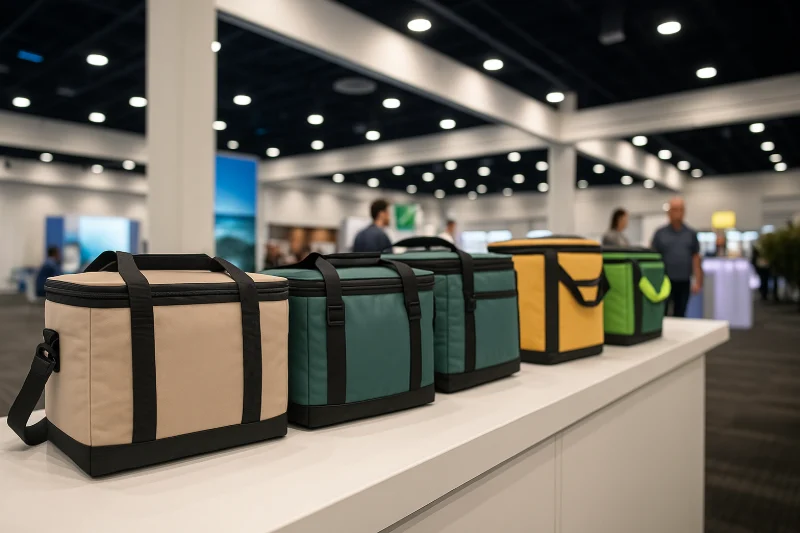
When customers ask us, “Are insulated bags and thermal bags different?” the short answer is — not really. These two names are often used interchangeably, and while they may sound like two separate products, they’re practically the same thing. The only real differences come from how they’re used and how people choose to describe them.
An insulated bag is designed to maintain temperature through a multi-layer insulation structure. It is typically made with an outer layer of non-woven fabric or polyester, a middle layer of foam, and an inner lining of aluminum foil. This design effectively reduces heat loss and prevents cold air from escaping, allowing the bag to keep items both hot and cold. Insulated bags are commonly used for shopping, food delivery, meal transport, picnics, or camping—any situation that requires temperature control.
A thermal bag is not a different type of bag but simply another name for an insulated bag. This term is more commonly seen in hot food delivery, where heat retention is the focus. Its structure and materials are basically the same, also featuring foam and aluminum lining, but it is marketed and used more for keeping food warm. In short, a thermal bag is an insulated bag designed for hot food delivery.
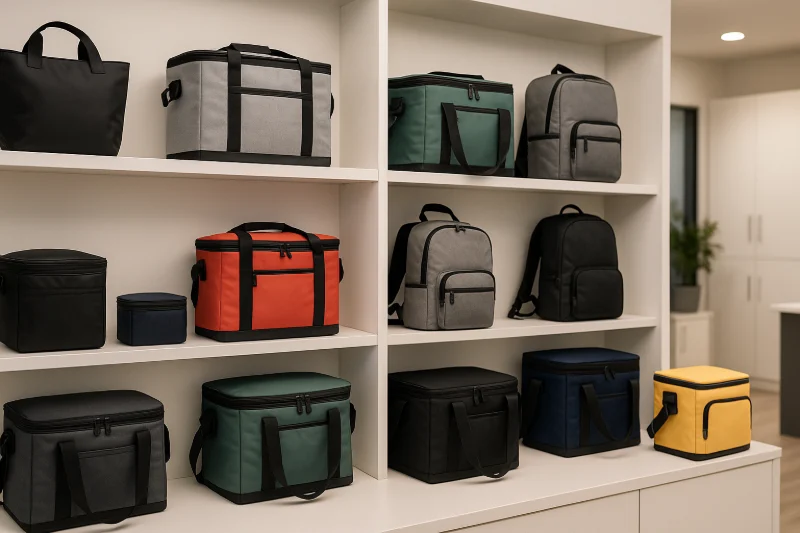
The naming is different. “Insulated” is a technical term that describes the bag’s heat-resistant1 structure, while “thermal” is more of a situational term used in the food and delivery industries to emphasize heat preservation.
The focus of use is different. Insulated bags are more versatile, commonly used in supermarkets, food packaging, and medical transport, suitable for both hot and cold items. Thermal bags are more specific to hot food, such as takeout and short-distance meal delivery.
The structure is basically the same. Both use a outer layer, a foam middle layer, and an aluminum inner lining. The principle is identical—reducing temperature transfer through insulation layers.
The heat retention difference comes from thickness, not the name. If the materials and thickness are the same, the performance will be nearly identical. Any difference depends more on foam thickness or sealing design, not the name printed on the bag.
Many websites and sellers describe thermal bags as products made specifically for keeping food hot, but this is mostly just a naming preference. In actual production, the two bags have nearly identical structures, typically made of a non-woven exterior,
foam insulation2, and an aluminum inner lining. Some articles mention materials like “thermal flannel” or “heat-reflective batting,” but these are mostly marketing terms rarely used in food delivery bags. The true difference lies in the naming and application, not the structure.
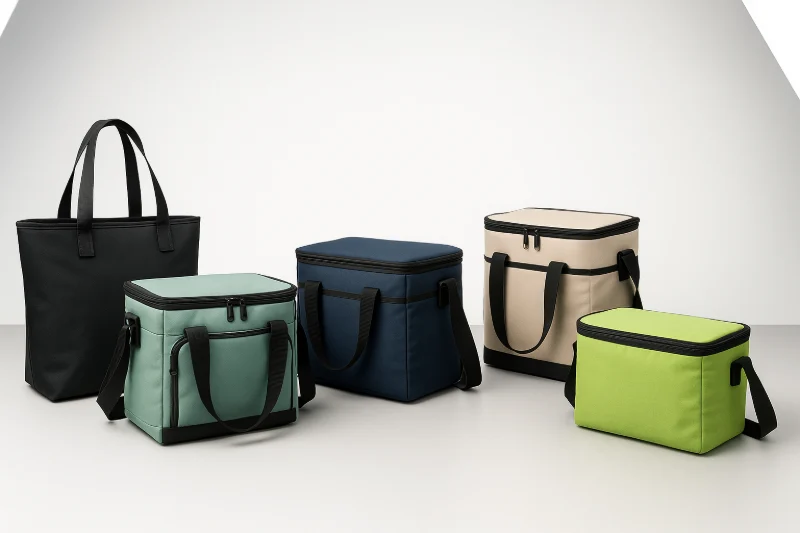
There’s really no major structural difference between insulated and thermal bags. They both rely on the same insulation principle to maintain temperature — the only difference is how they’re used and labeled. If you need a bag that can handle both hot and cold items, go for an insulated bag. If you’re focused on hot food delivery, the thermal bag is simply the same thing with a more specific name.
In manufacturing, we can always adjust the foam thickness, outer fabric, or sealing style to match your exact needs. No matter what you call it, the idea stays the same: insulation layers slow down heat transfer and keep your products at the right temperature during transport.
No matter what type of insulated bag or thermal bag you need, Yanxin Bag can make it happen. From lightweight disposable bags to premium custom-made models, we have extensive production experience to meet every level of demand.
At Yanxin Bag, we focus not only on the look of each bag but also on making sure every product truly fits our customers’ real needs.
You’re welcome to contact us to get the most suitable solution and quotation for your project.
Get a free quote and expert consultation today. Let's bring your brand vision to life.
1 Department of Energy identifies heat-resistant materials as those providing resistance to conductive, convective, and radiant heat flow, which aligns with the insulating performance described in engineering contexts.
2 The U.S. Department of Energy explains that foam insulation provides strong thermal resistance and is commonly used to prevent heat transfer in structures.
Answer: Insulated and thermal bags are essentially the same, both designed to maintain temperature. The term “insulated” focuses on structure, while “thermal” is often used in hot food delivery contexts.
Answer: Yes, insulated bags are designed for dual temperature control, keeping hot food warm and cold items cool by minimizing heat exchange with the environment.
Answer: Depending on material thickness and quality, insulated bags can typically maintain temperature for 2 to 6 hours.
Answer: Because their materials and structure are nearly identical, people often assume they are different products due to naming or marketing differences.
Answer: Most insulated bags are water-resistant due to the aluminum lining, but only certain models are fully leakproof with sealed seams.
Answer: Yes, most insulated bags can be gently hand washed or wiped with a damp cloth. Avoid machine washing to prevent damage to the insulation layer.
Answer: The aluminum foil lining acts as a reflective barrier, preventing heat from escaping or entering, improving temperature retention efficiency.
Answer: Yes, by maintaining a stable temperature, insulated bags reduce bacterial growth and keep perishable items safer during transport.
Answer: Insulated bags commonly use PE foam or EPE foam due to their lightweight structure and strong insulation performance.
Answer: Many insulated bags are reusable and help reduce single-use plastic waste, making them a more sustainable packaging choice.

Order or no-order we are Always here to help you!
We will contact you within 1 working day, please pay attention to the email with the suffix “@yanxinbag.com”.
Order or no-order we are Always here to help you!
We will contact you within 1 working day, please pay attention to the email with the suffix “@yanxinbag.com”.