
Our Academy
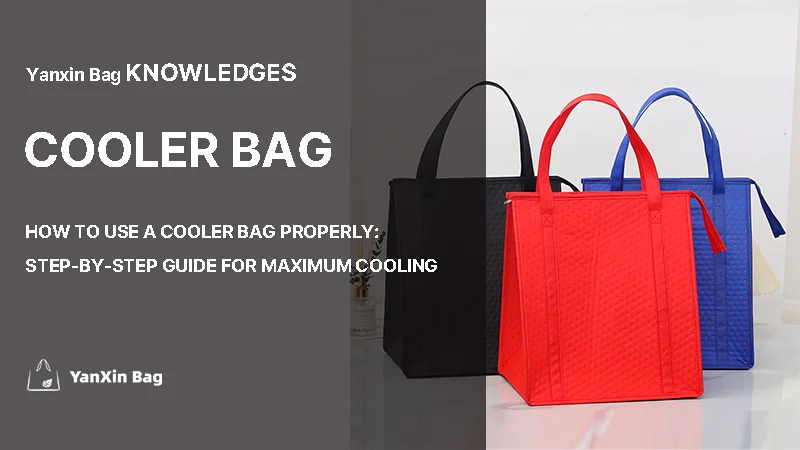
You’ve packed your drinks and food, only to find them lukewarm halfway through your trip. If the cooler bag has thin insulation or is packed incorrectly, it becomes useless—your food turns soggy and your drinks lose their chill. To truly keep things cold and fresh, you must understand the right way to use a cooler bag so it can perform as it should.
How to Use a Cooler Bag Properly: To maintain low temperatures effectively, choose the right cooler bag, pre-chill both the bag and its contents, layer items correctly, and use sufficient ice. Large ice blocks or ice packs should go at the bottom and top to create a cold sandwich effect. Pack heavier items below, keep raw and cooked foods separate, and place frequently accessed items near the top or sides. During use, avoid direct sunlight and limit how often the bag is opened. With proper sealing, shading, and volume balance, a cooler bag can stay cold for a full day or longer.
Although we’ve briefly outlined the basic cooling techniques above, the actual results can vary greatly depending on how you pack, what kind of ice you use, and your usage habits. Keep reading to explore a more detailed guide on how to use cooler bags effectively—from packing order to ice placement and key precautions—so you can achieve longer-lasting cold retention in every situation.
If you want your cooler bag to stay cold longer, proper pre-chilling is essential. It helps slow down ice melt and avoids sudden temperature rise inside the bag.
Make sure everything you plan to store is already cold before loading. Avoid putting room-temperature or freshly cooked hot food directly into the bag, as it will raise the internal temperature and reduce cooling efficiency.
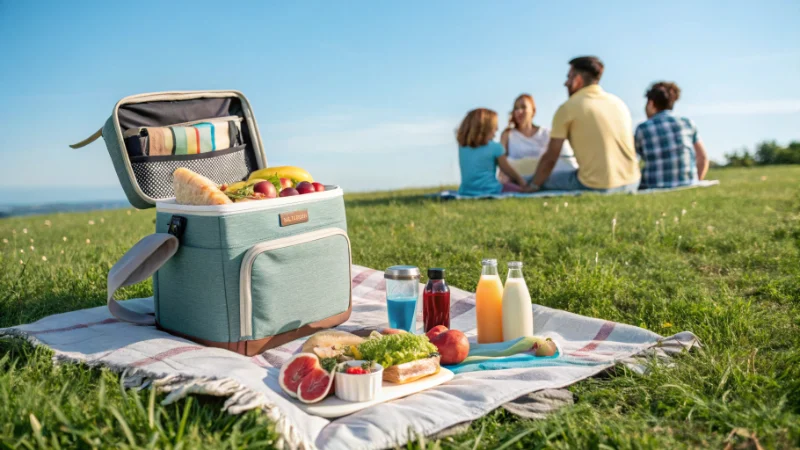
Pack your cooler as the last step before heading out—ideally within 10 minutes of leaving. This keeps the cold trapped in and prevents premature thawing while waiting.
By following these simple steps, you’ll give your cooler bag the best chance to perform at its peak throughout the day.
Choose the right cooler bag
Go for a bag with thick insulated foam lining and a secure closure like a zipper. The capacity should be just enough to fill without leaving too much empty space, which can reduce cooling efficiency.
Use proper ice sources
Frozen water bottles or large ice blocks are more effective than loose ice cubes. Frozen bottles can double as backup drinks, offering convenience on the return trip.
Layer your contents with top-and-bottom ice
Start with ice at the bottom, add food and drinks in the middle, and cover with more ice on top. This layered method keeps the temperature even and helps everything stay colder longer.
Separate raw and ready-to-eat items
Raw meats or seafood should be sealed and stored at the bottom to prevent cross-contamination with cooked food or snacks.
Place frequently used items at the top
Keep fruits and drinks near the opening so you don’t need to dig around, which minimizes cold air loss.
Fill empty spaces to block airflow
Use soft items like towels or insulated cloths to fill any gaps, helping to maintain internal temperature and improve overall cooling performance.
| Key Step | Packing Tip |
|---|---|
| Bag Preparation | Choose a medium-size bag with thick insulation and zipper closure to minimize air gaps |
| Ice Source | Use large ice blocks or frozen bottles; top-and-bottom layering lasts longer |
| Layering Order | Bottom ice → food in the middle → top ice; heavier items at the bottom |
| Food Safety | Separate raw and cooked foods; keep raw items sealed and at the bottom |
| Filling Strategy | Place commonly accessed items near the top; use towels to fill unused space |
Soft cooler bags offer greater flexibility in materials and printing options. True
Soft cooler bags can be made from a variety of materials such as nonwoven fabric, cotton, Tyvek, washable kraft paper, and allow diverse printing methods for customized branding.
All cooler bags provide the same level of insulation. False
Insulation performance varies depending on the materials and structure. Hard cooler bags often use thicker foam and sealed lids for longer cooling time compared to soft ones.

Avoid direct sunlight
Keep the cooler bag in a shaded area or use a sunshade, tent, or umbrella to block direct sunlight. Exposure to heat can quickly raise the internal temperature and reduce cooling efficiency.
Wrap the bag with a wet towel
In hot environments, covering the bag with a damp towel creates an evaporative cooling effect that helps insulate the outer surface and slow down heat absorption.
Use aluminum foil or reflective liners
If your bag’s built-in lining isn’t thick enough, consider adding aluminum foil pouches or reflective pads to further reduce heat transfer and extend cold retention.
Avoiding these frequent mistakes can significantly improve your cooler bag’s performance and help your food and drinks stay cold for longer:
Mistake: Packing room temperature items
Fix: Pre-chill all food and drinks in the fridge or freezer before packing to prevent raising the bag’s internal temperature.
Mistake: Randomly throwing items into the bag last-minute
Fix: Plan and organize your contents in advance. Pack in a structured layout—ice on the bottom, food in the middle, and more ice on top.
Mistake: Opening the bag too frequently
Fix: Place frequently used items near the top or outer edge of the bag to reduce the need for rummaging.
Mistake: Skipping the pre-chill step for the bag itself
Fix: Pre-chill the cooler bag for at least an hour before use to lower the internal temperature and improve starting conditions.
Mistake: Underfilling or overstuffing the bag
Fix: Use a moderately sized bag and pack it snugly but not overly tight. Fill any empty spaces with towels or soft cloth to prevent air circulation.
| Category | Recommended Practice | Additional Notes |
|---|---|---|
| Inner cleaning | Wipe with mild detergent and soft cloth; removable liners can be washed separately | Ensure the bag is fully dry to avoid mold or odor |
| Drying & deodorizing | Air dry in a cool, shaded area; place baking soda or citrus peels inside for freshness | Avoid sun exposure to prevent material aging |
| Storage location | Store in a dry, ventilated space; avoid heat or humidity | Keep upright or loosely folded to prevent deformation |
Soft cooler bags can be used for both hot and cold items. True
Soft cooler bags are primarily designed for cooling, but their insulated lining can temporarily retain heat, making them suitable for short-term use with warm food as well.
Soft cooler bags are not durable enough for regular use. False
Soft cooler bags made with thick oxford fabric or laminated materials can be highly durable and suitable for repeated daily use, especially with reinforced stitching and linings.
Using a cooler bag effectively isn’t just about having the right product—it’s about how you use it. From pre-chilling and packing techniques to in-transit maintenance and post-use care, every step contributes to better temperature control and longer-lasting freshness. Whether you’re heading to a picnic, road trip, or beach day, applying these tips will help ensure your food stays safe and your drinks stay cold. Master the process, and your cooler bag will perform at its best every time.
If you’re looking for a reliable solution that combines insulation and brand customization, Yanxin Bag offers a wide range of custom cooler bag options ideal for cold-chain delivery, outdoor activities, and summer promotions. As a professional cooler bag manufacturer, we provide various sizes, structures, and printing methods to meet both functional and branding needs.
Get in touch with Yanxin Bag, your trusted cooler bag factory, and create cooler bags that deliver both performance and brand impact.
Cooler bags can be made from sustainable or recycled materials. True
Materials like RPET, cotton, and washable kraft paper are commonly used in eco-friendly cooler bags for sustainable branding purposes.
All cooler bags are leakproof by default. False
Not all cooler bags are leakproof. Only those with heat-pressed PEVA or PVC linings and no stitched seams offer high anti-leakage performance.
Wondering how insulation works inside your lunch bag?
This article explains the structure of insulated lunch bags, covering outer fabric, interior lining, insulation core, and zipper sealing — showing how each layer helps preserve food temperature. 《Insulated Lunch Bags: The Secret to Keeping Food Hot or Cold》
Curious what else insulated bags can be used for?
This article introduces a variety of ways to use insulated bags — from everyday and travel applications to specialized needs — covering groceries, meal storage, medical supplies, and more. 《16 Smart Ways You Can Use an Insulated Bag》
Trying to weigh the benefits and trade-offs of insulated bags?
This article outlines the advantages and limitations of insulated cooler bags, including cooling performance, ease of use, cleanability, and flexibility in design. 《What Are the Pros and Cons of Insulated Cooler Bags?》
Want to improve how long your food stays warm?
This article explores the factors that influence heat retention inside insulated bags — such as sealing, structural design, food packaging, and volume — and shares tips for boosting performance. 《How to Keep Food Warm in an Insulated Bag》
Not sure how to clean your cooler bag the right way?
This article provides specific cleaning instructions for various bag materials — including nonwoven, polyester Oxford, cotton, laminated, and Tyvek — explaining how to wash and maintain each type properly. 《How to Clean Cooler Bags Properly?》
Get a free quote and expert consultation today. Let's bring your brand vision to life.
Answer: Soft cooler bags are lightweight, foldable, and easy to carry. They offer short-term insulation and are ideal for daily lunch packing, picnics, and promotional use.
Answer: Soft cooler bags typically have a shorter insulation time (2–6 hours), lower structural durability under heavy loads, and may be less effective in extreme environments.
Answer: Yes. Pre-chilling your insulated cooler bag for at least 1 hour in the fridge or freezer helps lower its internal temperature, allowing your food and drinks to stay cold for longer.
Answer: Hard coolers offer longer cooling duration and more structural strength, while soft cooler bags provide better portability and branding flexibility.
Answer: The most effective method is layering: place ice at the bottom, food and drinks in the middle, and another ice layer on top. Keep frequently used items near the opening to minimize cold air loss.
Answer: Depending on insulation quality, packing technique, and ice source, a cooler bag can maintain low temperatures for 4 to 24 hours. Well-packed bags with thick foam insulation perform best.
Answer: The most suitable insulation materials for reusable cooler bags include thick EPE or PE foam paired with waterproof linings such as PEVA, PVC, or TPU. These combinations enhance cold retention and prevent leakage, making them ideal for long-lasting cooling performance. While some soft bags may use aluminum foil for lightweight applications, it is more commonly found in thermal bags designed for short-term food delivery.
Answer: To clean reusable cooler bags, wipe the inner lining with a damp cloth or mild detergent. PEVA and PVC linings are easy to maintain due to their waterproof surfaces. Avoid machine washing unless specified. Proper care extends the life of custom cooler bags and maintains their insulation performance.
Answer: Cooler bags are suitable for storing beverages, fruits, cooked meals, salads, desserts, and sealed raw meats. Always separate raw and ready-to-eat foods to avoid cross-contamination.

Order or no-order we are Always here to help you!
We will contact you within 1 working day, please pay attention to the email with the suffix “@yanxinbag.com”.
Order or no-order we are Always here to help you!
We will contact you within 1 working day, please pay attention to the email with the suffix “@yanxinbag.com”.