
Our Academy
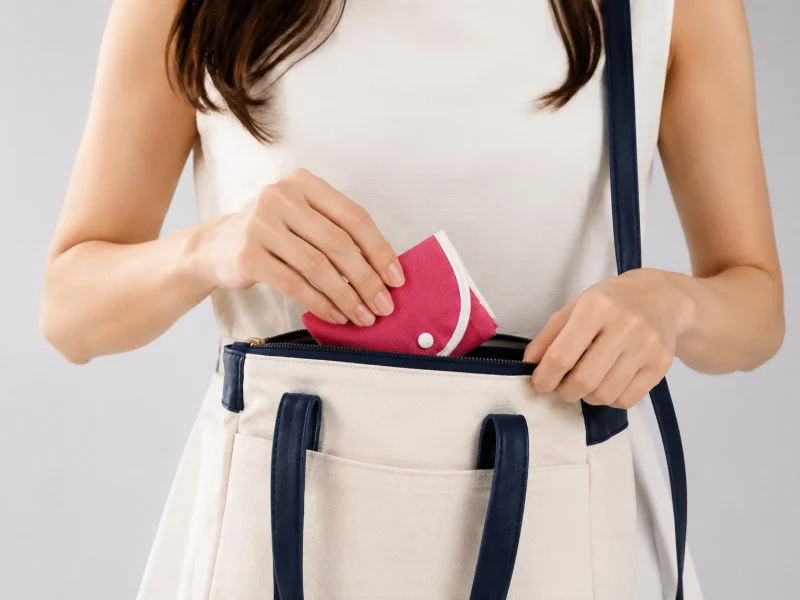
The biggest advantage of foldable bags is their portability. Compared with regular bags, foldable bags can be stored in a smaller size when not in use. They can also stay folded through button, zipper1, or elastic fastening designs, making them easy to put into backpacks, drawers, or other small spaces. When needed, they can simply be unfolded and return to their normal capacity.
This article will introduce the key factors businesses need to consider when purchasing or customizing branded foldable bags, including usage purpose, size selection, material features, folding design, printing methods, and factors to consider for bulk purchasing. It helps brands choose a foldable bag solution that better fits their needs.
When choosing a foldable bag, the first step is to clarify the purpose of the bag and the target users. Different applications, such as brand promotion events, retail sales, corporate gifts, school activities, or travel projects, have different requirements for the bag’s size, material, durability, and cost.
For example, foldable bags used as giveaways for large events usually focus more on purchase cost, lightweight design, and LOGO display effect. Foldable bags used for retail or brand promotion focus more on fabric texture, user experience2, and brand image. If the bags are intended for long-term use, material strength and durability should be considered first.
Therefore, before choosing a foldable bag, you need to first determine:
These factors will affect the selection of size, material, and customization options later.
When customizing foldable bags, the size should be determined based on actual usage needs rather than simply choosing a fixed specification. Businesses need to consider the main purpose of the bag, target users, and the types of items that need to be carried.
When determining the size, the following factors should usually be considered:
For example, if the foldable bags are mainly used as event giveaways, the size should be determined based on the items that participants usually carry. If they are used for brand retail, multiple sizes can be designed according to different product categories to meet different shopping needs.
| Size | Typical Size | Main Features |
|---|---|---|
| Small Foldable Bags | 25–35 cm (W) × 30–40 cm (H) | Smaller size; easy to carry around; suitable for lightweight items, small purchases, or daily backup use. |
| Medium Foldable Bags | 35–45 cm (W) × 40–45 cm (H) | A common size range for foldable bags; suitable for daily shopping, brand events, and most promotional activities; provides a good balance between capacity and portability. |
| Large Foldable Bags | 45 cm or above (W) × 50 cm or above (H) | Suitable for applications requiring larger capacity; the loading space can be increased by adding a bottom gusset or side expansion; suitable for travel, outdoor activities, or situations where more items need to be carried. |
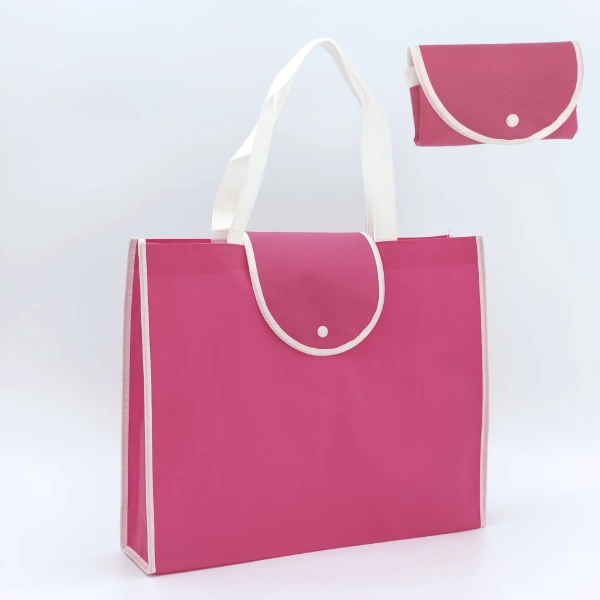
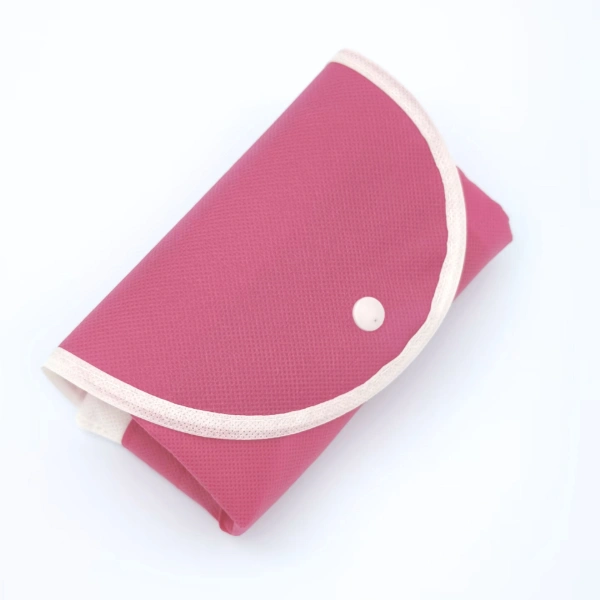
The material of a foldable bag affects its weight, durability, folded size, cost, and overall user experience. When customizing foldable bags, businesses need to choose suitable materials based on the usage scenario, target users, brand positioning, and budget.
Common foldable bag materials include:
Foldable bags are available in various styles. Different styles have different appearances, carrying methods, and suitable applications. When customizing foldable bags, businesses can choose the right style based on their brand positioning, target users, and project needs.
Common foldable bag styles include:
Different styles can be combined with different materials and design details. For example, lightweight fabrics are more suitable for compact storage designs, while thicker materials such as canvas and Oxford fabric are more suitable for premium foldable bags with zipper designs. Businesses can choose the most suitable foldable bag solution based on their target users and product positioning.
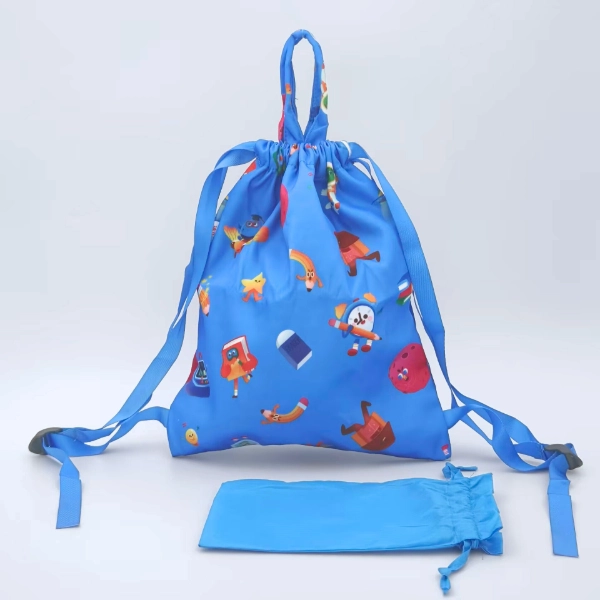
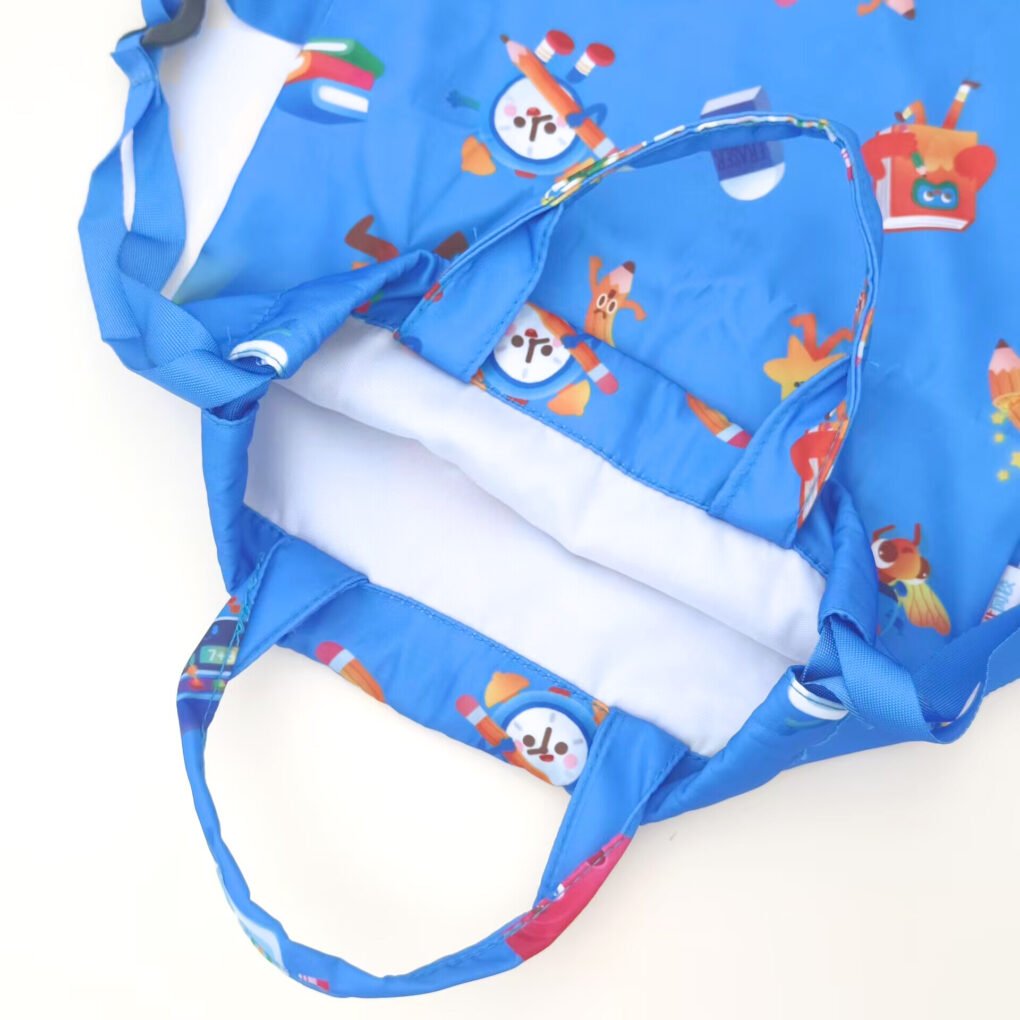
Foldable bags are commonly used for corporate promotions, brand events, and retail projects, making LOGO and graphic customization an important part of the design. Different materials, design complexity, and order quantities will affect the suitable printing method.
Common printing methods include:
When choosing a printing method, you can provide the design files, selected materials, and expected order quantity to the supplier. The supplier will recommend a more suitable printing solution based on this information to achieve the desired effect and cost balance.
After confirming the size, material, style, and printing method of the foldable bag, businesses also need to confirm some purchasing details to ensure the project can be completed smoothly.
Common details that need to be confirmed include:
Confirming these details with the supplier in advance can help businesses better plan their purchasing schedule, budget, and logistics arrangements.
Choosing the right foldable bag requires considering the purpose, size, material, style, printing requirements, and purchasing arrangements. Different projects have different requirements for foldable bags, and businesses can choose the most suitable solution based on their target users, brand positioning, and budget.
When customizing foldable bags, determining these requirements in advance and communicating the design, materials, and production details with the supplier can help businesses obtain products that better match their intended applications.
Get a free quote and expert consultation today. Let's bring your brand vision to life.
Answer: Businesses should consider the bag’s purpose, size, material, style, printing method, and purchasing requirements. These factors help determine a foldable bag solution that matches the target users, brand positioning, and budget.
Answer: The right size depends on the bag’s purpose, target users, and the items it needs to carry. Businesses should consider unfolded capacity, folded storage space, and the printing area required for the design.
Answer: Common foldable bag materials include nylon, polyester, RPET polyester, non woven, cotton, canvas, Oxford fabric, and Tyvek®. Each material has different features in terms of weight, durability, cost, and appearance.
Answer: Common foldable bag styles include foldable tote bags, foldable drawstring bags, foldable backpacks, creative shape foldable bags, and zipper foldable bags. Businesses can choose a style based on the target users and project requirements.
Answer: Yes, RPET polyester is a common recycled material used for foldable bags. It provides similar durability to regular polyester while supporting brands that focus on sustainable materials.
Answer: Foldable bags are popular for travel because they can be stored in a small space when not in use. They can be used as extra luggage, shopping bags, or backup bags during trips.
Answer: The main difference is that foldable bags are designed to be stored in a compact form when not in use. They can be easily carried and expanded when needed, making them convenient for travel, shopping, and promotional use.

Order or no-order we are Always here to help you!
We will contact you within 1 working day, please pay attention to the email with the suffix “@yanxinbag.com”.
Order or no-order we are Always here to help you!
We will contact you within 1 working day, please pay attention to the email with the suffix “@yanxinbag.com”.