
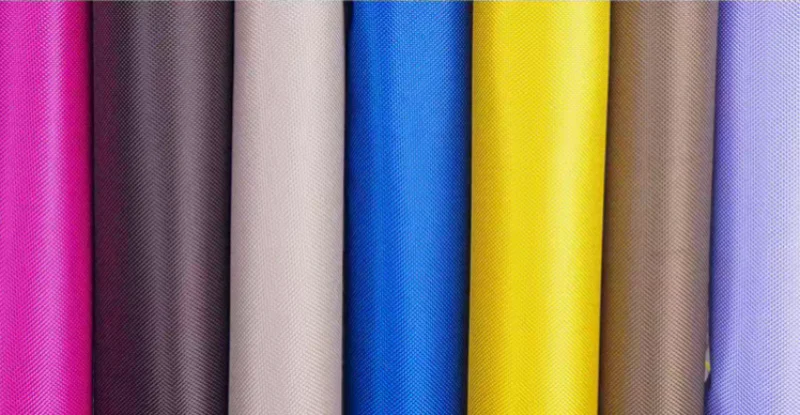
PVC fabric has become one of the most popular synthetic materials in modern bag manufacturing, loved for its waterproof, durable, and flexible qualities. It offers a wide range of looks and textures, and with variations in thickness, structure, and printing, it can easily adapt to both stylish and functional bag designs. From transparent PVC handbags to coated travel bags and canvas laminated PVC totes, PVC stands out for striking the perfect balance between appearance and practicality. In this guide, we’ll take a closer look at what PVC fabric is made of, its main types, features, and customization options—helping brands and buyers better understand this classic yet ever-evolving material.
PVC, or Polyvinyl Chloride, is a synthetic material that combines waterproof strength, abrasion resistance, and flexibility.
In bag manufacturing, PVC fabric typically includes a base layer—like polyester, nylon, or oxford fabric—coated or laminated with a PVC layer. This combination gives the fabric both structural strength and waterproof protection, making it sturdy yet easy to clean. You’ll often find it in travel bags, tool bags, and a variety of daily-use bags.
Not all PVC fabrics are made this way, though. Some are pure PVC without any fabric backing—commonly used in transparent handbags or cosmetic bags. These different structures create distinct looks, textures, and levels of durability for different bag applications.
Coating Process: A base fabric, usually polyester or cotton, is coated with a layer of PVC. This gives the fabric a smooth, waterproof, and lightweight finish.
Lamination Process: One or more layers of PVC film are laminated onto the base fabric, resulting in a thicker and more resilient material.
Unbacked PVC:
This type contains no base fabric and is made entirely of PVC. Depending on its formula and calendering method, it can achieve a variety of appearances such as transparent, colored transparent, semi-transparent, glitter, matte, frosted, or iridescent finishes.
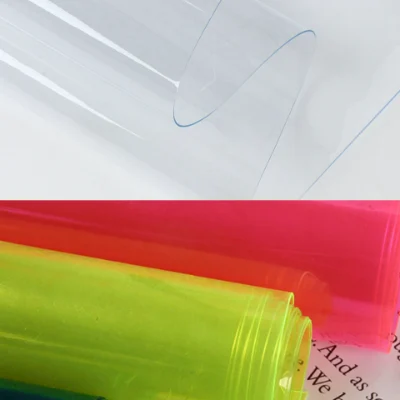
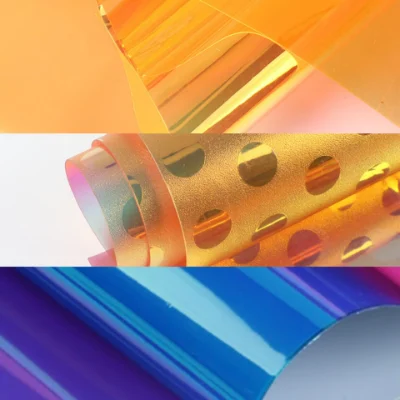
Whether coated, laminated, or unbacked, PVC fabric is known for being waterproof, durable, and highly moldable—making it one of the most widely used synthetic materials in bag manufacturing. Below are the main performance characteristics of PVC fabric:
Waterproof
PVC itself is non-absorbent and offers excellent waterproof and moisture-resistant properties. Both composite and pure PVC materials effectively block water and humidity, making them ideal for waterproof bags.
Durability
PVC has strong resistance to abrasion and tearing, enduring daily wear, pulling, and friction. Laminated PVC tends to be thicker and more structured, while coated PVC maintains durability with a lighter, more flexible feel.
Chemical Resistance
PVC resists most cleaning agents, oils, and stains, making it suitable for bags that require frequent wiping or that are used in demanding environments.
Low Maintenance
The smooth surface of PVC repels dust and dirt. A simple wipe with a damp cloth restores its shine. Pure PVC, in particular, is easy to clean and ideal for transparent or glossy bags.
Formability and Processability
PVC fabric is flexible and can be both heat-pressed and sewn, adapting to various bag shapes and structural designs. It maintains stability after processing and is suitable for large-scale production and customization.
Multiple Finishes
Available in glossy, matte, frosted, textured, transparent, or iridescent effects to meet different brand and aesthetic needs.
Printable Surface
Depending on the fabric type, various printing techniques can be applied. Patterns and colors appear rich and durable, making it convenient for brand customization.
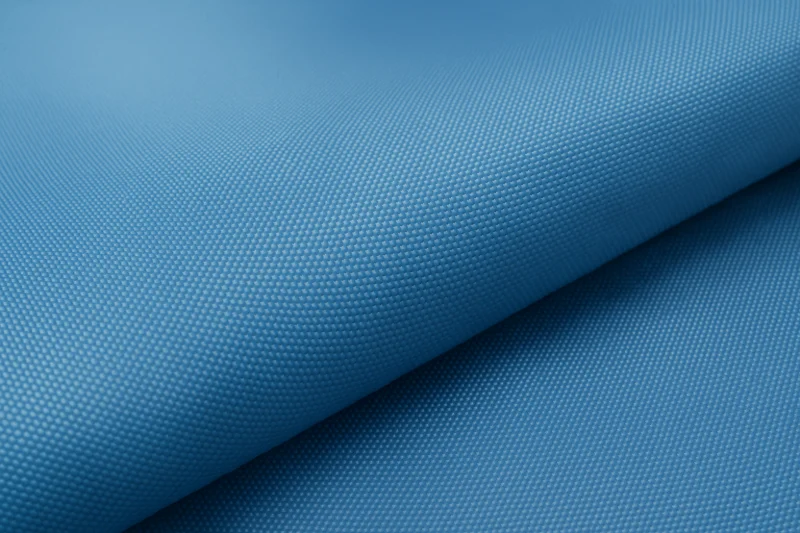
Although PVC fabric is known for being waterproof, durable, and easy to clean, it also has some limitations that designers and manufacturers should consider when using it in bag applications. Understanding these characteristics helps in making more informed material choices during the design and selection stages.
Flexibility Affected by Temperature
The flexibility of PVC changes with temperature — it tends to harden in cold environments and soften when exposed to high heat. Avoiding prolonged exposure to extreme temperatures helps prevent creasing or deformation.
Slightly Heavier Weight
Compared with lightweight materials like nylon or polyester, PVC composite fabric has a higher density and therefore feels heavier overall. For bag styles that require softness or lightness, it’s important to balance the material thickness during design.
Poor Breathability
PVC material is almost non-breathable, which means it can trap heat and create a stuffy feeling in enclosed spaces. It’s not ideal for bags that need ventilation or are worn close to the body for long periods.
Durability Depends on Processing Quality
If a coated PVC layer is too thin or has weak adhesion, it may peel or crack after prolonged use. Choosing high-adhesion base fabrics and quality PVC formulations can significantly extend the fabric’s lifespan.
Environmental and Recycling Challenges
Traditional PVC is petroleum-based, difficult to decompose, and hard to recycle. For brands that require eco-certifications, recycled or eco-friendly PVC options are recommended alternatives.
Pure PVC is commonly used for transparent bags, cosmetic pouches, waterproof document holders, and promotional bags. The most common thickness ranges are as follows:
Light PVC (0.15mm–0.25mm): Soft and lightweight, suitable for small or flexible bag styles.
Medium PVC (0.25mm–0.40mm): Offers greater stiffness, ideal for shopping bags or fashion totes.
Thick PVC (above 0.40mm): Provides strong structure and form, often used for display bags, zipper pouches, or structured handbags.
Composite PVC fabric uses polyester or canvas as the base material, with a PVC coating or laminated layer applied to the surface. Different structures result in varying levels of thickness and weight.
Canvas Laminated PVC: Typically made with 12oz cotton canvas as the base, reaching about 450gsm after lamination. It offers a firm structure and is commonly used for gift bags, premium packaging bags, and structured display bags.
Nylon / Oxford Fabric Coated with PVC: Made with lightweight woven fabrics backed with a thin or slightly thicker layer of PVC to enhance water resistance and durability. Thinner types are ideal for drawstring or promotional bags, while thicker types suit travel bags, sports bags, backpacks, and cooler bags.
| Type | Thickness / Weight | Typical Applications |
|---|---|---|
| Light Unbacked PVC | 0.15–0.25mm | Cosmetic bags, document holders, small transparent pouches |
| Medium Unbacked PVC | 0.25–0.40mm | Shopping bags, fashion totes |
| Thick Unbacked PVC | Above 0.40mm | Structured display bags, zipper pouches |
| Canvas Laminated PVC | About 450gsm | Gift bags, premium packaging bags |
| Polyester / Nylon / Oxford Coated PVC | Around 190T–600D | Drawstring bags, travel bags, backpacks, cooler bags |
These are the most common types and thickness ranges of PVC fabric. Next, we’ll look at how to choose the most suitable PVC material based on bag type, intended use, and design requirements.
Different types of PVC fabrics each have their own strengths. When choosing the right one, consider the intended use, visual effect, and structural requirements of the bag. Here are some general guidelines:
If you want a glossy look and strong visual appeal
Choose Unbacked PVC, especially transparent, laser, glitter, iridescent, or matte styles. This type has a smooth, shiny surface and rich color options, making it ideal for gift bags, brand display bags, cosmetic pouches, and transparent shopping bags where visual presentation and style matter most.
If you prioritize practicality and durability
Go with Coated PVC Fabric. This type provides excellent waterproofing, abrasion resistance, and tear strength, perfect for bags that are used frequently. Thicker coatings (higher GSM) are particularly suitable for travel bags, backpacks, school bags, and cooler bags, offering flexibility along with strong support.
If you want a structured, thick, and premium feel
Choose Canvas Laminated PVC. Made with canvas as the base and a thick PVC film on the surface, this material weighs around 450gsm, providing excellent stiffness and water resistance. It’s widely used for premium brand packaging bags, structured display bags, and gift boxes that require form and texture.
In short: choose Unbacked PVC for appearance, Coated PVC for durability, and Canvas PVC for structure.
The ideal choice depends on your bag’s positioning and balance between aesthetics and function.
Different bag materials have their own appearance, performance, and use cases. The table below summarizes the three common types of PVC alongside other main materials, helping you select the right one based on your product’s purpose and positioning.
| Material Type | Appearance | Waterproof | Durability | Typical Applications |
|---|---|---|---|---|
| Clear PVC Sheet | High gloss, available in transparent, colored, laser, or jelly effects | ★★★★★ | ★★★☆☆ | Display bags, cosmetic bags, stadium bags, fashion totes |
| Polyester/Nylon/Oxford Fabric Coated with PVC | Smooth back coating, soft touch | ★★★★☆ | ★★★★☆ | Backpacks, travel bags, cooler bags, tool bags |
| Canvas Laminated PVC | Canvas base with thick PVC film, firm and structured texture | ★★★★☆ | ★★★★★ | Gift bags, premium packaging, display bags |
| PU Leather | Soft, smooth, leather-like texture | ★★★☆☆ | ★★★☆☆ | Fashion bags, boutique products |
| Tyvek® | Paper-like texture, printable, eco-friendly and recyclable | ★★★★☆ | ★★★★☆ | Eco bags, shopping bags, brand packaging |
| Nonwoven Fabric | Lightweight, easy to print, low cost | ★★★☆☆ | ★★☆☆☆ | Promotional bags, event bags, disposable packaging |

PVC offers great flexibility for customization. Whether pure PVC or coated/laminated fabric, it can be tailored to different bag structures and brand aesthetics. From printing and color options to material combinations, there are endless creative possibilities.
The smooth surface of PVC allows for silk screen or UV printing. Silk screen printing is ideal for logos and simple text, while UV printing can achieve full-surface designs.
PVC can be made into zipper pouches, drawstring bags, shoulder bags, waist bags, travel bags, or document holders. Pure PVC can be both heat-pressed or sewn, depending on the design.
PVC fabrics are available in a wide range of colors. Pure PVC can achieve effects such as transparent, colored transparent, semi-transparent, glitter, sequin, matte embossing, frosted, and holographic finishes.
Zippers, inner pockets, straps, metal buckles, or removable linings can all be added. These elements improve functionality and enhance overall style.
Transparent PVC can be combined with colored nonwoven fabric, canvas, Tyvek®, or kraft paper. The PVC outer layer protects the inner material while adding a modern look and strong brand identity.
Whether your goal is visual impact or everyday functionality, PVC provides outstanding flexibility and design freedom in bag manufacturing.
Maintaining PVC bags is very simple — with proper cleaning and storage, they can remain in good condition for a long time.
Wipe clean with a damp cloth; for heavier dirt, use a small amount of mild detergent. Avoid prolonged exposure to sunlight or drying under high heat.
When the outer surface is fabric-based, use a soft brush dipped in cold water to gently clean. Avoid harsh scrubbing to prevent surface scratches. Allow to air dry naturally — no special pressure or reshaping is required.
Store in a cool, dry place away from moisture and direct sunlight. For long-term storage, clean the bag first and keep it in a dust bag to prevent dust accumulation and deformation.
By removing harmful plasticizers, this version is safer for both people and the planet — now widely adopted by brands committed to eco-friendly manufacturing.
Many suppliers are reclaiming offcuts and used PVC bags, turning them into new materials. This approach reduces waste and supports resource efficiency.
TPU shares similar durability and waterproof properties with PVC but is more eco-friendly and recyclable. It’s now a favorite for premium brands and outdoor gear manufacturers.
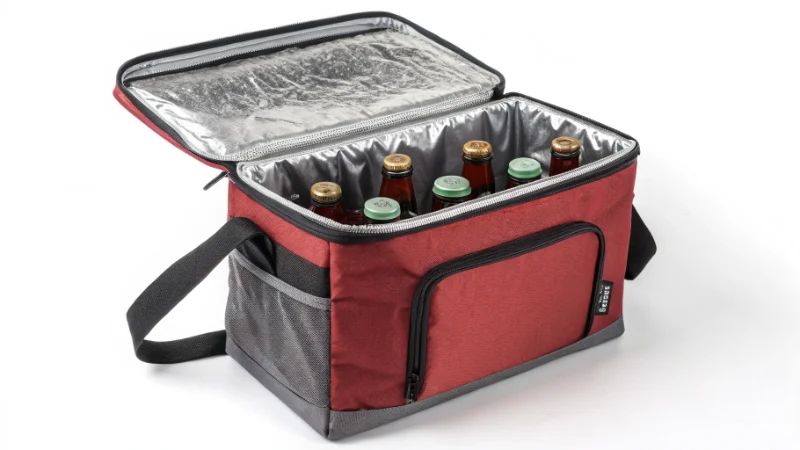
PVC fabric stands out for its strength, water resistance, and versatility — qualities that make it perfect for a wide variety of bags. From the clear shine of pure PVC to the firm texture of coated or laminated fabrics, it balances style and function better than most materials.
As sustainability becomes more important, PVC continues to evolve. Phthalate-free, recycled, and TPU-based options are leading the way toward a greener future. PVC’s value today lies not just in how it performs, but in how it helps brands find balance between design, durability, and environmental care.
If you’re looking for a trusted partner to produce PVC bags, Yanxin Bag has years of experience in custom manufacturing and export. Contact Us anytime to explore high-quality Custom PVC Fabric Bag solutions.
Curious about how PVC bags perform in real life?
This article breaks down common PVC tote bag types by their shape, features, and usage, explores their waterproof and visibility benefits, and outlines how brands can make them more functional with design. 《The Ultimate Guide to Clear PVC Tote Bags: Stylish, Durable, and Versatile》
Weighing whether PVC is the right fit for your product line?
This piece examines both the strengths and weaknesses of PVC bags — including flexibility, durability, transparency, eco-concerns, smell, and their fit across industries — to support better sourcing decisions. 《Pros & Cons of PVC Bags》
Want to better understand the types and features of PVC bags?
This guide explores the basic composition and functions of popular PVC bag styles, shows how their transparency adds user convenience, and explains how to tailor packaging for branding needs. 《Everything You Need to Know about PVC Bag》
Looking for ideas on how clear bags can fit different settings?
This article reviews where clear bags are commonly used — from event venues to travel and retail — and provides actionable design ideas for customizing layout, closure type, and use-case alignment. 《What Are Clear Bags Used For? Key Benefits and Design Tips》
Confused by TSA liquid bag rules? Here’s what actually matters.
Starting with the TSA’s 3-1-1 rule, this article breaks down the exact bag dimensions, what items qualify, and gives practical advice on selecting the right clear bag and packing it efficiently. 《TSA Quart Size Bag Dimensions Explained: Rules, Sizes, and Smart Packing Tips》
Get a free quote and expert consultation today. Let's bring your brand vision to life.
1 Learning about base fabric will enhance your knowledge of bag construction and material quality, leading to better purchasing decisions.
2 Explore this link to understand the benefits and applications of pure PVC sheets in creating durable and stylish bags.
3 Exploring sustainable alternatives can guide you towards eco-friendly materials that reduce environmental impact.
Answer: PVC fabric is widely used for making waterproof bags, travel luggage, outdoor gear, cosmetic pouches, and industrial covers. Its combination of durability and versatility makes it ideal for both functional and decorative bag designs.
Answer: PVC fabric offers excellent waterproofing, abrasion resistance, easy cleaning, and flexibility in printing and customization. It’s suitable for various bag types, from clear cosmetic bags to heavy-duty travel bags.
Answer: The main disadvantages include limited breathability, higher weight compared to nylon or polyester, and sensitivity to extreme temperatures. Traditional PVC also faces environmental challenges due to its slow biodegradability.
Answer: With proper care, PVC fabric bags can last between 3 to 10 years depending on thickness, usage frequency, and exposure to sunlight or high temperatures.
Answer: PVC (polyvinyl chloride) is a type of vinyl, but “vinyl” is a broader category that includes other polymers. PVC fabric is specifically formulated for strength, flexibility, and waterproof performance in applications like bags and upholstery.
Answer: Yes, PVC fabric can be cleaned easily with a damp cloth or mild detergent. Avoid machine washing, hot water, or harsh scrubbing to prevent surface damage.
Answer: Yes, PVC fabric can be sewn using a strong needle (such as a denim or leather needle) and a Teflon or roller presser foot to prevent sticking. Heat sealing is also used for waterproof seams.
Answer: Common types include unbacked PVC (used in transparent bags), coated PVC (on nylon or Oxford fabric for backpacks and travel bags), and laminated PVC (on canvas for structured or luxury tote bags).

Order or no-order we are Always here to help you!
We will contact you within 1 working day, please pay attention to the email with the suffix “@yanxinbag.com”.
Order or no-order we are Always here to help you!
We will contact you within 1 working day, please pay attention to the email with the suffix “@yanxinbag.com”.