
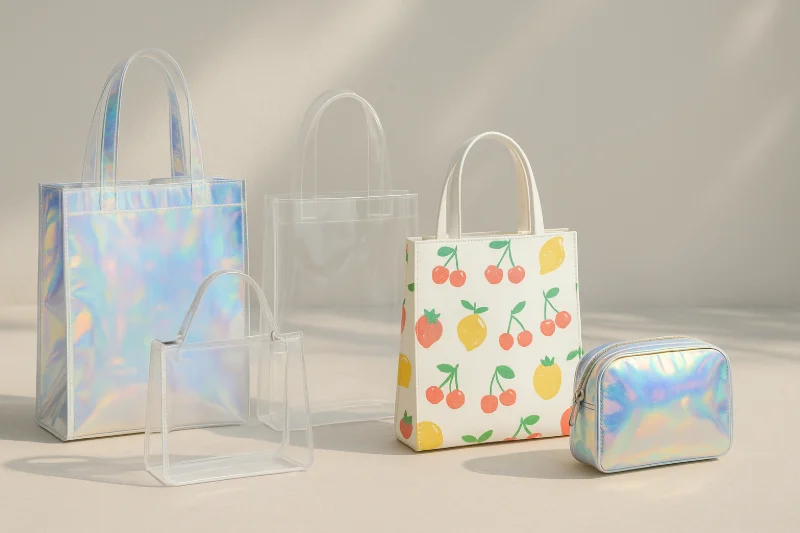
In recent years, PVC bags have become a familiar sight in fashion, retail, and travel packaging. You’ve probably come across them in cosmetic sets, gift bundles, trade show giveaways, or even during your own trips. What makes them so popular is their clean, modern look and their practical waterproof and durable nature. The transparent design gives each bag a bright, airy feel—everything inside is visible at a glance, which makes them both functional and visually appealing.
PVC bags are made primarily from polyvinyl chloride (PVC), a type of plastic material. This material can be either flexible or rigid and can be produced in various finishes, including transparent, colored transparent, semi-transparent, glitter, sequin, frosted embossed, matte, and iridescent holographic. They are commonly used for cosmetic pouches, gift packaging, travel bags, and fashionable handbags. With their clean appearance and diverse material options, PVC bags are widely used in both packaging and everyday product applications.
PVC bags have long been favored in the market mainly because they combine display appeal, design flexibility, and wide applicability.
Strong visual display: Transparent or colored transparent styles allow the contents to be clearly visible, making the packaging itself part of the presentation—particularly suitable for retail products and gift sets.
Versatile design options: Whether it’s glitter, holographic shine, or matte frosted texture, PVC can achieve a wide range of looks, from simple and practical to stylish and creative.
Flexible processing: The material’s thickness and hardness can be adjusted according to use, and zippers, handles, printed patterns, or logos can be added to meet various customization needs.
Wide application: PVC bags are suitable for cosmetic packaging, travel storage, gift wrapping, promotional giveaways, and even e-commerce shipping.
Convenient for public use: Transparent PVC bags comply with security regulations, making them easy to carry through airports, stadiums, and concert venues.
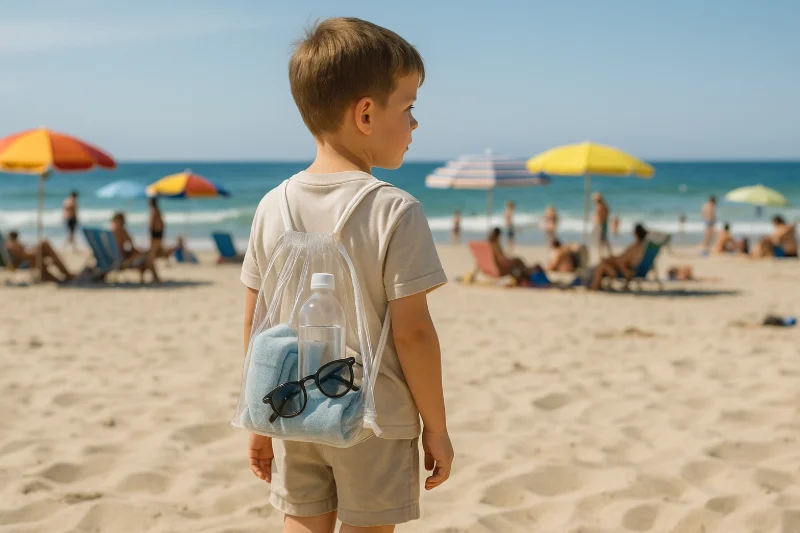
PVC bags not only feature a wide range of designs and flexible uses but also offer several practical advantages thanks to the nature of the material itself:
Strong waterproof performance: PVC does not absorb water and effectively prevents moisture and dampness, making it ideal for travel, cosmetic storage, or outdoor use.
Durable: The surface is tough and resistant to tearing, capable of holding weight and withstanding long-term use.
Easy to clean and maintain: Its smooth surface does not easily attract dust or stains and can be quickly wiped clean with a damp cloth.
Structurally stable: The bag retains its shape well and stays neat even when filled.
Cost-effective: Compared with other transparent materials such as TPU or EVA, PVC offers a clear cost advantage, making it suitable for mass production and brand promotions.
Reusable: Thanks to its durability, PVC bags can be reused multiple times, reducing waste from single-use packaging.
These qualities make PVC bags not only visually appealing but also practical, meeting market needs for both durability and affordability.
While PVC bags are versatile and practical, there are still a few limitations to keep in mind:
Because PVC bags combine display appeal and waterproof practicality, they are widely used across different industries:
Retail packaging bags: Commonly used for clothing, bedding, cosmetics, and stationery, helping enhance the overall product presentation.
Promotional and branded bags: Used at exhibitions, events, or promotional campaigns as logo-printed gift bags or display bags to increase brand visibility.
Travel and waterproof storage bags: Ideal for storing toiletries, skincare products, or mobile phones. Some designs feature waterproof seals, making them suitable for poolside or beach use.
Fashion handbags: Usually designed in clear or colored transparent styles, lightweight and stylish, popular among younger consumers and fashion brands.
Security check bags: Used in airports, stadiums, and concerts where transparent bags are required for inspection, offering convenience and basic protection.
Different types of PVC bags vary in structure, appearance, and intended use. Below are some of the most common styles:
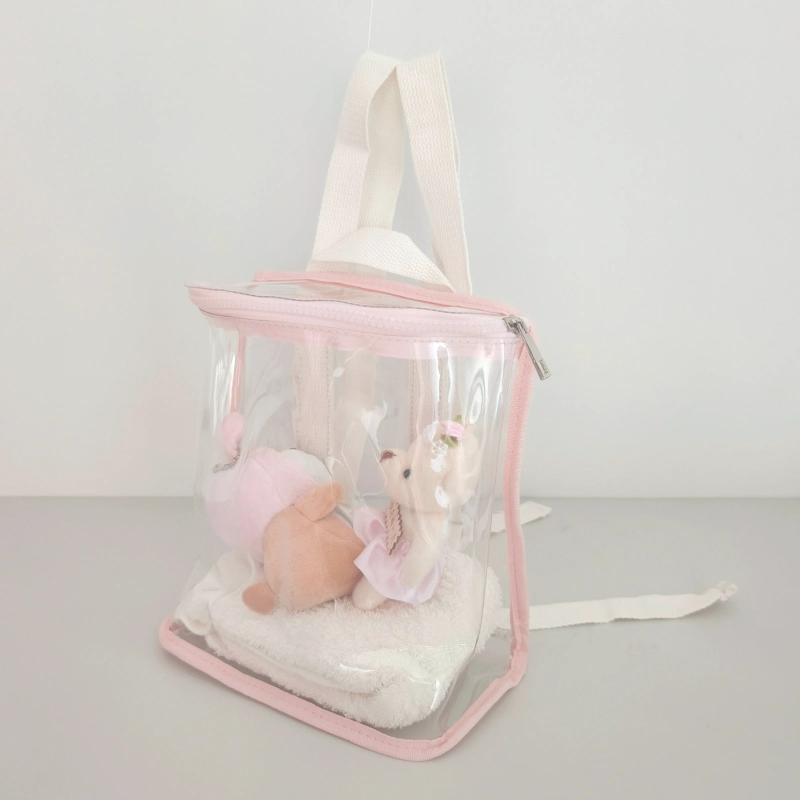
PVC Backpack: Made of thick PVC with waterproof and durable properties. Large-capacity and stylish, suitable for students, travel, and outdoor activities.
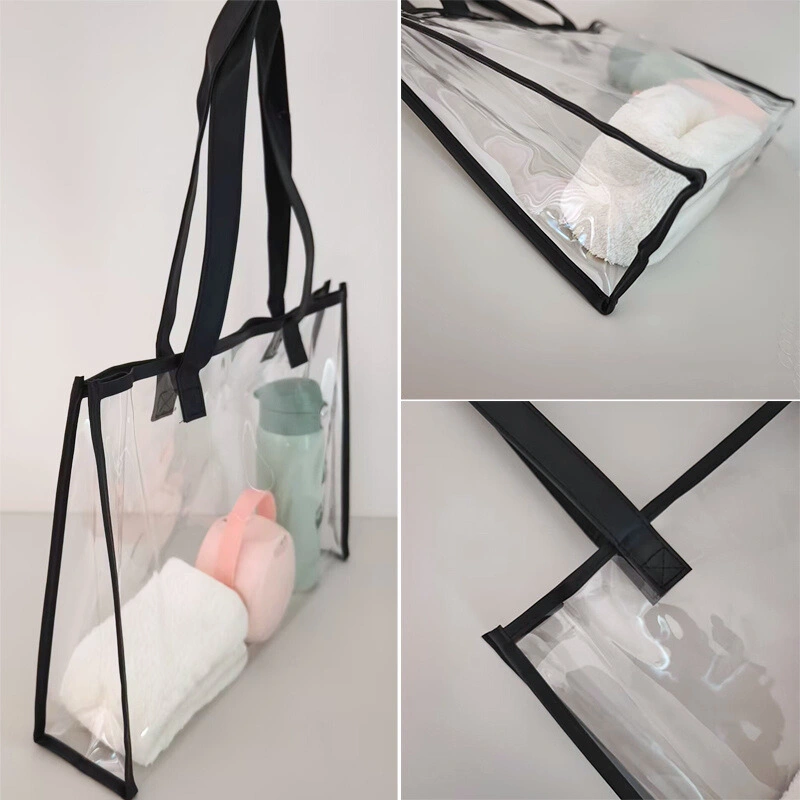
PVC Tote/Shopping Bag: Clean and simple design, available in clear or colored transparent versions. Perfect for daily shopping, the beach, or casual outings.
PVC Cosmetic Bag: Made of clear or frosted PVC, ideal for storing and easily locating cosmetics and skincare products—one of the most common PVC bags for daily and travel use.
PVC Window or Storage Bag: Often combined with non-woven fabric or other materials. Commonly used in clothing or bedding packaging, featuring a transparent front window for better product visibility.
Clear Security Bag: Fully transparent design that meets security standards for use in airports, stadiums, and concerts.
Printed PVC Bag: Uses full-surface UV printing to display patterns or brand designs, ideal for gift sets, promotional events, or anniversary packaging.
Clear Structured PVC Shoulder Bag: Made of thick PVC with a boxy shape and waterproof properties. Features dual handles and a detachable shoulder strap, often with a zipper closure for added security.
PVC Beach Bag: Waterproof and moisture-resistant, perfect for storing swimsuits, towels, or phones—commonly used at pools and beaches.
Jelly Bag: Made of colored semi-transparent PVC, popular for children’s bags, niche fashion, or summer styles.
PVC Waist Bag / Fanny Pack: Made of soft transparent PVC with an adjustable strap and zipper closure. Lightweight and waterproof, ideal for festivals, sports, or travel.
PVC Drawstring Bag: Made of soft PVC with a drawstring closure. Simple, practical, waterproof, and easy to carry.
Below is a quick reference table summarizing the key features and main uses of common PVC bag types:
| Type | Appearance Features | Main Uses |
|---|---|---|
| PVC Backpack | Thick PVC, structured shape | Students, travel, outdoor use |
| PVC Tote / Shopping Bag | Dual-handle design | Daily shopping, commuting, trade shows |
| PVC Cosmetic Bag | Clear or frosted, small with zipper | Cosmetics and travel storage |
| PVC Window Bag | Fabric combination, clear front | Clothing, bedding, or gift packaging |
| Clear Security Bag | Fully transparent, simple build | Stadiums, airports, concerts |
| Structured PVC Shoulder Bag | Boxy, with zipper and strap | Daily or travel use |
| PVC Beach Bag | Waterproof, spacious | Beach, pool, vacation use |
| Jelly Bag | Colored semi-transparent | Fashion or kids’ bags |
| Printed PVC Bag | Full UV print, vivid colors | Gifts, promotions, branding |
| PVC Waist Bag | Small clear design, adjustable strap | Sports, festivals, travel |
| PVC Drawstring Bag | Drawstring closure | Toys, school use |
Different bag materials have their own advantages in terms of appearance, texture, and environmental performance.
Below is a brief comparison between PVC and other commonly used bag materials — PU, TPU, EVA, non-woven fabric, and canvas — to help you choose the most suitable option based on your purpose and budget:
| Material | Features & Appearance | Summary of Pros & Cons |
|---|---|---|
| PVC (Polyvinyl Chloride) | Can be clear or colored transparent, waterproof, structured | Low cost, highly moldable, but non-breathable and less eco-friendly |
| PU (Polyurethane) | Leather-like appearance, smooth and soft surface | Luxurious look but opaque, more expensive, prone to wear |
| TPU (Thermoplastic Polyurethane) | Soft and flexible, high transparency, recyclable | Eco-friendly but has higher raw material and processing cost |
| EVA (Ethylene-Vinyl Acetate) | Transparent, lightweight, soft, and waterproof | Non-toxic and eco-friendly but less supportive |
| Non-woven Fabric | Lightweight, printable | Low cost and reusable but not waterproof |
| Canvas | Thick, durable, natural texture | Reusable and eco-friendly but not waterproof and easily stained |
PVC bags come in many different structures, shapes, and appearances. Each brand and purpose has its own design preferences. When choosing the right one, it’s best to consider how and where it will be used.
Usage Scenarios
PVC bags can be used for retail packaging, promotional giveaways, travel storage, fashion accessories, or security check purposes.
Different settings will require different levels of transparency, size, and structure.
Structure & Function
Common structures include tote, shoulder, drawstring, or zipper styles.
Clear PVC designs are perfect for showing the contents, while frosted or colored transparent styles offer more privacy and design variety.
Appearance & Style
PVC material can achieve various finishes such as clear, colored transparent, semi-transparent, glitter, sequin, embossed matte, frosted, and holographic effects.
Whether you want something minimal and practical, brand-focused, or trendy, there’s always a suitable style to match your needs.
Printing & Customization
The smooth surface of PVC works well with silk screen or UV printing.
Clients can customize color, closure type, and accessories according to their brand identity to create a distinctive bag design.
In recent years, more eco-conscious alternatives have appeared, such as recycled PVC, low-VOC formulations, or phthalate-free materials. These options reduce the environmental burden during production while maintaining PVC’s visual and functional advantages.
For brands emphasizing sustainability, other materials such as PEVA, TPU, non-woven fabric, or reusable cloth bags can also be considered. These materials are easier to recycle or decompose, making them suitable for eco-friendly product lines.
From a long-term use and material innovation perspective, PVC bags still strike a balance between practicality and sustainability. Their ability to be reused multiple times remains one of the key reasons they continue to be popular among various packaging materials.

PVC bags don’t require special maintenance — with simple cleaning and proper storage, they can stay in great condition for a long time. It’s best to avoid prolonged exposure to direct sunlight or high temperatures, such as leaving them inside a hot car, as this can slightly affect clarity over time. When storing, make sure the bag is dry; no extra care is needed. To clean, simply wipe the surface with a mild detergent and a soft cloth to restore its shine.
Try not to overload the bag to avoid deformation. When not in use, store it flat or hang it up to prevent long-term creasing. If the surface becomes slightly sticky after exposure to humidity, lightly dust it with a small amount of anti-stick powder (such as talcum or corn powder) to reduce surface friction. After use, wipe it dry to maintain a clean, smooth finish. When used at the beach or pool, a quick rinse with clean water helps keep it clear and smooth.
For more detailed cleaning tips and step-by-step methods, check out our extended guide How to Clean Clear PVC Bags?, which provides practical advice to keep your PVC bags looking fresh and glossy for years.
PVC bags have remained a favorite across fashion, retail, and packaging industries because they balance appearance with practicality. The material is waterproof, durable, and versatile — easily shaped into various designs for different purposes, from brand packaging and travel storage to security checks and promotional events. It offers a clean, modern aesthetic while being functional and reliable.
While PVC still has room for improvement in terms of environmental impact, advancements in materials and increased reuse practices make it a strong, balanced packaging choice. For brands and businesses, the true value of PVC bags lies in their flexibility, functionality, and lasting quality.
If you’re looking for a professional clear bag or custom PVC bag supplier, Yanxin Bag offers high-quality products and flexible customization options. We understand different market needs and can help design the right style and look for your brand.
To learn more about materials or production details, feel free to Contact Us. Yanxin Bag is ready to help you create stylish and functional clear PVC bags that make your products stand out.
Curious about how clear PVC tote bags are designed and used?
This article explains what defines a clear PVC tote bag, explores different types and use cases, and highlights design strengths that make them functional yet brand-friendly. 《The Ultimate Guide to Clear PVC Tote Bags: Stylish, Durable, and Versatile》
Not sure if PVC is the right choice for your needs?
It outlines the main pros and cons of PVC bags — including water resistance, strength, processing complexity, and eco-related concerns — to help you make informed decisions. 《Pros & Cons of PVC Bags》
Confused about the difference between PVC and EVA bags?
This article offers a side-by-side comparison covering material composition, flexibility, clarity, and safety, helping you clear up any confusion before choosing a bag type. 《What is the difference between PVC and EVA bags?》
Want to keep your clear PVC bags in good shape?
Learn why regular cleaning matters, what tools and cleaners are safe, and what habits to avoid — so your transparent bags stay usable and presentable longer. 《How to Clean Clear PVC Bags?》
Unsure if your clear bag is TSA-compliant?
This guide explains the TSA 3-1-1 liquids rule, outlines size requirements, and highlights common mistakes, offering smart tips to help you pass airport checks smoothly. 《TSA Quart Size Bag Dimensions Explained: Rules, Sizes, and Smart Packing Tips》
Get a free quote and expert consultation today. Let's bring your brand vision to life.
Answer: TPU offers higher clarity and a more natural gloss, making it ideal for high-end transparent packaging. PVC is slightly less transparent but supports more printing options, making it better for designs focused on branding visibility.
Answer: A PVC bag is made from polyvinyl chloride (PVC), a synthetic plastic material that can be manufactured in clear, colored-transparent, semi-transparent, glitter, holographic or matte finishes.
Answer: Clear PVC bags combine a clean, modern transparent look with practical features like water resistance and durability, making them highly suitable for brand packaging, retail displays, travel and event use.
Answer: The main advantages include strong water resistance, easy cleaning, stable structure that keeps shape, cost-effective production especially for transparent designs, and the ability for repeated reuse in packaging or promotional contexts.
Answer: PVC transparent bags may slightly yellow under extended UV or heat exposure. TPU typically offers better anti-yellowing durability for long-term clarity.
Answer: The limitations include low breathability (not ideal for items needing ventilation), potential yellowing over time with prolonged exposure, and that PVC is not naturally biodegradable and thus demands proper recycling or reuse to reduce environmental impact.
Answer: Yes — one of the strengths of PVC bags is the flexibility in appearance and finishing: they can be transparent or colored transparent, come in different textures (matte, holographic, glitter), and support custom prints, logos and zippers for promotional or brand packaging.
Answer: While PVC is not biodegradable, clear PVC bags can be reused many times, which reduces one-time use waste. Brands or manufacturers can choose PVC bags for multiple uses, thereby improving sustainability relative to single-use plastic packaging.

Order or no-order we are Always here to help you!
We will contact you within 1 working day, please pay attention to the email with the suffix “@yanxinbag.com”.
Order or no-order we are Always here to help you!
We will contact you within 1 working day, please pay attention to the email with the suffix “@yanxinbag.com”.