.
Skip to contentOur Academy
Jacky Zhou
April 23, 2025
Non-woven bags are a popular choice in packaging today because they are eco-friendly, durable, and versatile. From shopping bags to promotional items, non-woven bags are used in many different ways. Their growing use not only improves packaging but also helps with sustainable development goals. As more people look for eco-friendly options, non-woven bags are quickly replacing plastic bags and becoming the top choice on the market.
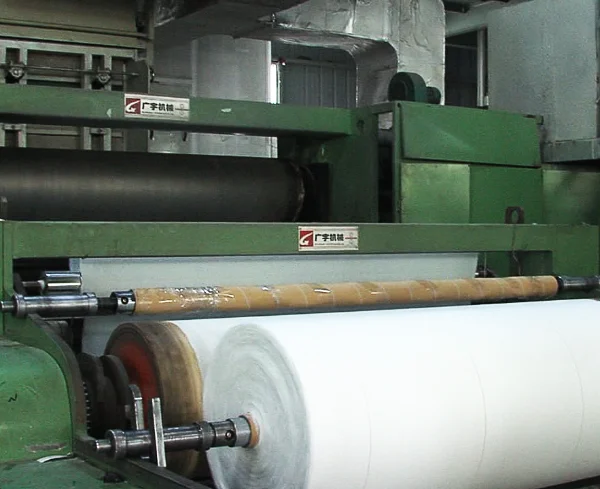
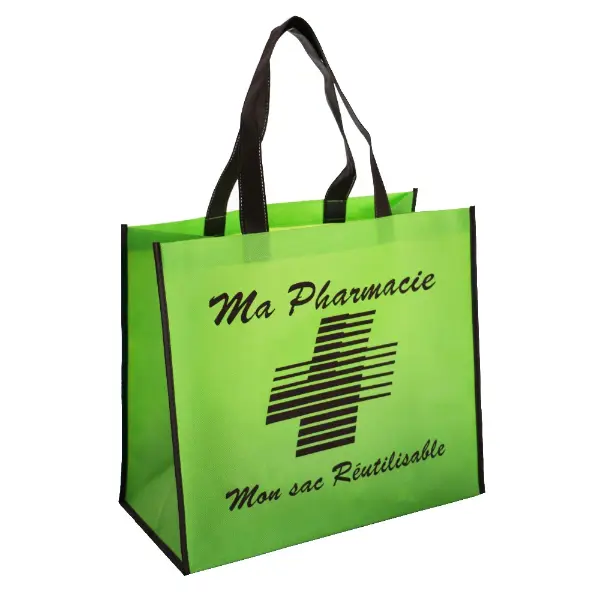
A non-woven bag is an eco-friendly bag made from a material called non-woven fabric. This fabric is made by melting polypropylene (PP) particles, stretching them into fibers, and then bonding those fibers together with heat or adhesive. Unlike traditional fabrics, non-woven fabric doesn’t need to be woven or knitted. Non-woven bags are lightweight, affordable, and reusable, making them great for shopping, packaging, and promotional use.
Non-woven bags were first developed in the 1950s as part of the growth in non-woven fabric technology, initially for industrial uses. By the 1990s, as people became more aware of the environment, non-woven bags started to be seen as an eco-friendly alternative to plastic bags. Today, non-woven bags are used widely in stores and promotional activities, and their quality and eco-friendliness keep improving thanks to new technology.
Non-woven fabric can be divided into the following seven types, depending on how it is made:
The most commonly used type for making bags is Spunbond Non-woven.
Non-woven bags are lightweight and durable, making them perfect for everyday shopping. They are affordable, reusable, and a favorite choice for eco-conscious consumers.
Due to their breathability, non-woven bags are commonly used for packaging tea leaves and charcoal bags. They help keep food fresh and prevent moisture.
These bags are great for organizing items like underwear and shoes, especially when traveling. They help keep things neat and prevent cross-contamination.
Non-woven bags are durable and lightweight, making them ideal for carrying promotional materials and gifts at trade shows, conferences, and other events.
Easy to customize and print, non-woven bags are widely used at events, exhibitions, and for brand promotions. They help give events a more professional feel.
Non-woven bags make excellent storage bags for items like clothes, toys, books, shoes, and underwear. They are breathable and help prevent moisture and mold.
Reusable: One of the biggest advantages of non-woven bags is their high reusability. They are made from durable polypropylene material, which can withstand heavy items, making them perfect for everyday use. Compared to disposable plastic bags, non-woven bags effectively reduce plastic waste, helping to lower environmental pollution.
Durability: Non-woven bags are made from strong polypropylene material, which can bear heavy items, making them suitable for multiple uses. They have high tear resistance and can maintain their condition for a long time, reducing the need for frequent replacements.
Water Resistance: While non-woven bags are not fully waterproof, they do offer a degree of water resistance. They can effectively withstand light rain or moisture, protecting items from getting damp, making them ideal for outdoor use.
Breathability: The unique structure of non-woven fabric allows air to circulate, preventing odors or moisture buildup and keeping items fresh. This is especially beneficial for storing products like fruits, vegetables, and clothes that require ventilation.
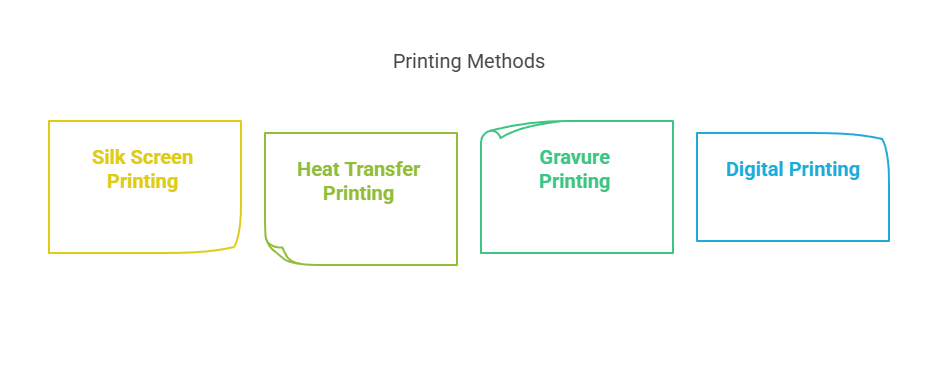
Printability: Non-woven bags have a smooth surface that is easy to print on using various methods (such as screen printing, heat transfer, etc.), with vibrant colors and clear patterns. This makes them ideal for brand promotion and custom designs.
Eco-Friendliness: The environmental impact of non-woven bags is a complex issue. On one hand, they are made from non-renewable plastic; on the other hand, they are more durable and reusable than traditional plastic bags, helping to reduce plastic waste going into landfills and oceans. The eco-friendliness of non-woven bags depends on how they are used and disposed of. If used multiple times and recycled after their life ends, their environmental impact is relatively low. However, if discarded after a single use, the environmental impact could be significant.
Lightweight and Convenient: Non-woven bags are generally lightweight and easy to carry. They are also foldable, making them convenient to store and carry in various situations.
Aesthetics: Non-woven bags come in a wide range of colors and have excellent printability, offering a more visually appealing alternative to traditional plastic bags.
Customization: Non-woven bags are highly customizable in terms of size, color, weight, and accessories. Whether it’s the shape of the bag, the length and style of the handles, or other design features, they can be tailored to meet customers’ needs. This makes non-woven bags not only practical but also highly customizable, perfect for various industries and promotional purposes.
Dust-resistant and Stain-resistant: Non-woven material is resistant to dust and stains, keeping the bags looking clean with less maintenance.
Easy to Clean: Non-woven bags are easy to clean. Usually, you just need to wipe them with a damp cloth to remove stains without requiring a complex cleaning process. Even after multiple uses, they maintain a clean and attractive appearance, making them suitable for everyday use.
Versatility: These bags are not just for shopping but can also be used for packaging, advertising, and giveaways.
Cost-effectiveness: Non-woven bags are relatively low-cost compared to other eco-friendly bags because their production process is simple, and the materials are easy to obtain. Compared to cotton or canvas bags, the manufacturing process for non-woven bags is more efficient, allowing for mass production, and their raw material, polypropylene, is relatively inexpensive.
Slow Degradation: Non-woven bags take a long time to degrade, and this slow decomposition could pose a long-term environmental threat, especially if disposed of improperly, contributing to plastic pollution.
Microplastic Generation: During degradation, non-woven bags may release microplastics, which can harm wildlife and ecosystems.
Complex Recycling Process: Although non-woven bags are recyclable, the process is complex and requires additional treatment and technological support.
Low Demand for Recycled Products: The demand for recycled non-woven bags is relatively low, which can limit the effectiveness of recycling efforts and reduce recycling rates.
Bacterial Accumulation: If not properly cleaned, prolonged use of non-woven bags can lead to bacterial and harmful substance buildup, potentially impacting health.
Resource consumption in production: Although non-woven bags are considered eco-friendly, their production relies on fossil fuels for the creation of polypropylene.
Prone to Wear and Tear: While durable, non-woven bags can wear out faster than cloth or canvas bags. Using thicker materials and reinforced designs can improve their lifespan.
Customizing non-woven bags is a multi-step process that involves design, material selection, and printing techniques. Here are the main steps and considerations for customizing non-woven bags:
Consider the intended use of the non-woven bags, such as for shopping, promotions, exhibitions, corporate events, giveaways, gifts, etc. Defining the purpose helps narrow down the range of options.
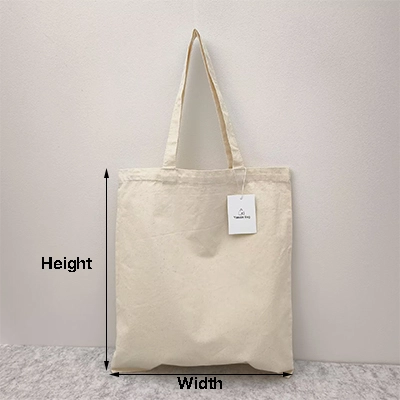
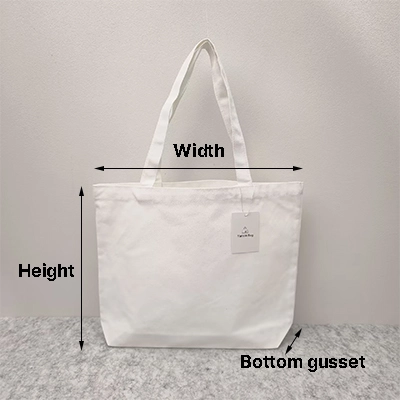
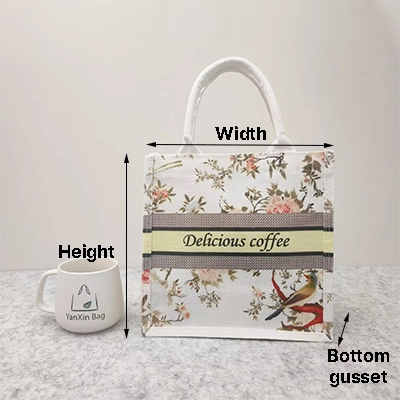
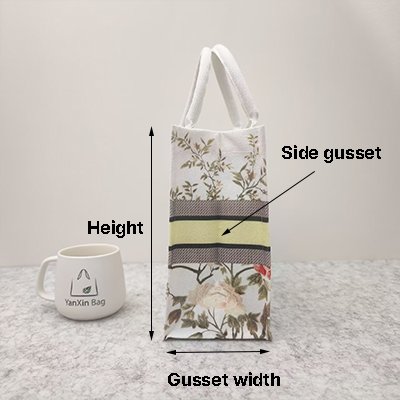
Choose the bag size based on the target customer group’s needs or the size of your products.
You can also offer various size options to meet the needs of a broader customer base.
If you are unsure about the size, you can consult with suppliers. They typically provide past case studies to help you select the right size. This ensures that the bag meets practical usage requirements and avoids issues with bags being too large or too small.
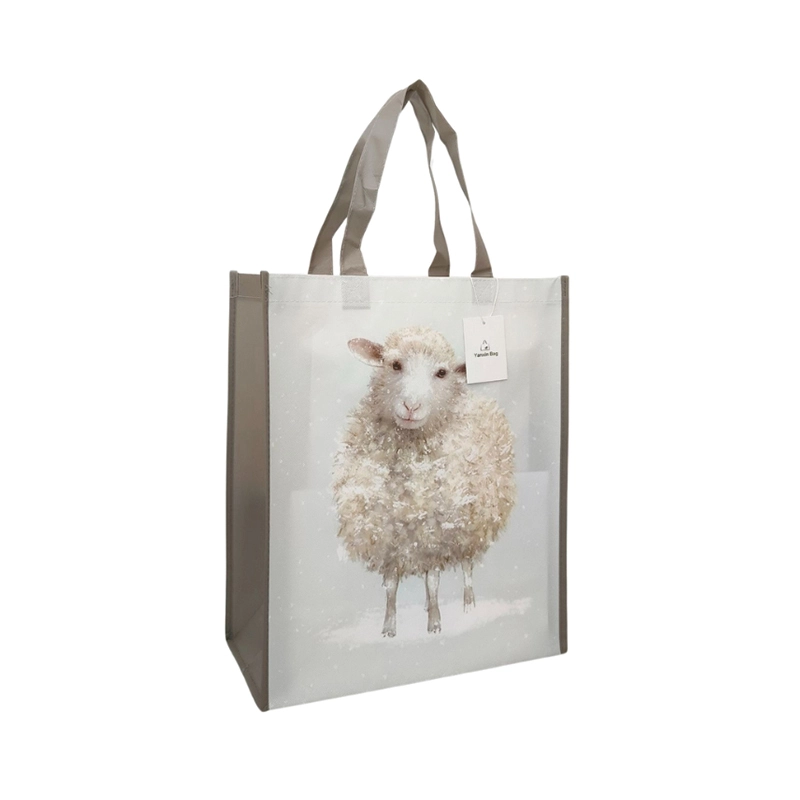
Non-woven bags are generally available in two types: laminated and non-laminated. Laminated bags have a thin film on the surface, which enhances water resistance and strength, making them suitable for situations where waterproof protection is needed. Non-laminated non-woven bags, on the other hand, are better suited for eco-friendly needs and come in various colors, allowing them to better match the brand image or event theme.
When selecting materials, the weight (GSM) is an important factor. The higher the GSM, the thicker and more durable the bag, making it suitable for carrying heavier items. Common non-woven bags typically range from 60 GSM to 100 GSM, and the specific choice should be based on the intended use.
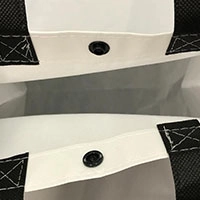
Non-woven bags are generally made using either stitched or heat-sealed processes.
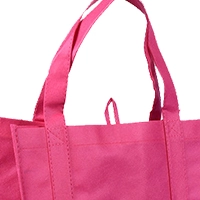
These handles are made from the same non-woven material as the bag itself, offering a coordinated and natural look. They are perfect for those who prefer eco-friendly and natural styles.
These are typically used for laminated bags. You can choose handles that are laminated just like the bag, making them stronger and more aesthetically pleasing than non-woven handles.
Webbing handles are commonly used with laminated bags. The most popular option is PP webbing handles. Among the three types of handles, webbing handles are the strongest. They also come in a variety of colors to choose from.
If you are working with a design company, you can provide your logo, promotional slogans, graphics, or other design elements to be printed on the template of the bag, which will save time in communication with the supplier. If you do not have a design company or department and only have a logo, that’s perfectly fine. Some experienced suppliers can offer simple design services for you. However, if your design is more complex and time-consuming, additional design fees may apply. Here are a few design suggestions:
Design patterns should reflect your brand’s priorities and image. A well-designed custom bag increases the likelihood of customer use, which in turn enhances brand exposure. The design should be attractive and align with the brand spirit, encouraging customers to display and use it.
Designs can convey brand personality through logos, motivational quotes, brand slogans, or illustrations. Simple and direct designs are the most effective while ensuring visual appeal. For custom bags, you can place contact information or a website on the back of the bag, making full use of both sides of the design space.
Custom bags offer significant flexibility in design, allowing design placement and size adjustments based on bag style. Different styles (e.g., custom luggage bags or shopping bags) may have different design areas, so flexibility is key.
Non-woven bags, with their lightweight, eco-friendly, and reusable characteristics, have gradually become a popular choice in the packaging industry. While they still have room for improvement in terms of environmental friendliness, the environmental benefits of non-woven bags will become more evident with continuous technological advancements and the development of recycling technologies. For businesses, choosing non-woven bags is not only a response to environmental calls but also an effective way to enhance brand image and market competitiveness. Understanding the various features of non-woven bags helps make more informed packaging decisions and promotes sustainable development.
If you’re looking for high-quality non-woven bags that meet your eco-friendly and customization needs, feel free to reach out to us! We provide expert advice and superior products to help elevate your brand while promoting sustainability. Contact us today to start your custom non-woven bag journey and create packaging solutions that leave a lasting impression!
Curious about whether non-woven bags are really eco-friendly or just another plastic alternative?
This article lays out the strengths and weaknesses of non-woven bags — from reusability and durability to microplastic risks — so you can weigh the full environmental impact. 《Pros & Cons of Nonwoven Bags》
Trying to choose the right non-woven bag style for your products or store?
This comprehensive style guide walks you through 10 of the most popular non-woven bag types, complete with use cases and structural features. 《What is a Non-Woven Bag? Complete Guide to Types and Styles》
Wondering how non-woven bags stack up against traditional plastic bags?
Through side-by-side comparisons, this post breaks down performance, cost, and sustainability to help you choose the better packaging solution. 《Non Woven Bags vs Plastic Bags: Helping Your Business Make the Best Choice》
Not sure if non-woven bags make sense for your business strategy?
This article explains why brands increasingly choose non-woven materials for promotions, packaging, and corporate gifts — with a focus on budget and branding. 《Why Choose Non-woven Bags for business?》
Worried your reusable bags might trap dirt or bacteria over time?
From quick spot cleaning to full hand-washing and air-drying, this practical guide walks you through how to safely clean non-woven bags without damaging structure or print — plus tips on long-term storage and reuse. 《How to Clean Non-Woven Bags Properly?》
Looking to print your logo on a non-woven bag but unsure which method suits your budget and design?
This article explains 5 essential printing techniques — including silk screen, gravure, offset, heat transfer, and digital — comparing their durability, image clarity, cost-efficiency, and best use cases. 《5- Must-Know Essential Printing About NonWoven Bag》
Need ideas on how to use non-woven bags beyond shopping?
This guide offers 16 real-world use cases — from grocery runs, promotional gifts, and storage bags to event giveaways and seedling grow bags — helping both individuals and businesses discover the versatility of non-woven packaging. 《The Ultimate Guide: 16 Practical Uses for Non Woven Bags Across Life and Business 》

Get a free quote and expert consultation today. Let's bring your brand vision to life.
1 Discover why breathability in packaging materials is crucial for preserving freshness and preventing spoilage.
2 Understanding a budget framework can enhance your financial decision-making and procurement strategies.
3 Explore this link to discover a wide range of color options that can enhance your brand’s visual appeal.
Answer: A non-woven bag is eco-friendly and made from polypropylene (PP) fibers using the spun-bonded process. In this process, polypropylene granules are melted, stretched into fibers, and bonded with heat or other methods to form fabric.
Answer: Non-woven polypropylene bags are eco-friendly bags made from polypropylene fibers. The fibers are bonded together using a process called spun-bonding, which creates a lightweight, durable material that is commonly used for reusable shopping bags. These bags offer an excellent alternative to traditional plastic bags.
Answer: Non-woven bags do not naturally break down in the environment. If not recycled or disposed of properly, they can cause long-term pollution.
Answer: Non-woven bags are mainly made from polypropylene (PP), a durable plastic material known for its strength and reusability.
Answer: Yes, non-woven bags are recyclable, though the process may be more complex compared to regular plastic bags.
Answer: Non-woven bags are not generally banned but some regions have restrictions on single-use plastic bags. Many areas encourage the use of reusable non-woven bags as a better alternative.
Answer: Yes, PP non-woven fabric is considered eco-friendly compared to single-use plastic bags. It can be reused multiple times, helping to reduce plastic waste.
Answer: Non-woven bags can be printed using various methods like screen printing or heat transfer to create custom designs.
Answer: Yes, non-woven bags are highly customizable for promotional purposes. You can personalize them with your company’s logo, brand colors, or messaging, making them ideal for giveaways, events, and corporate promotions. The material’s printability allows for clear and vibrant designs, and the bags can be tailored in various sizes, shapes, and styles to suit your specific marketing needs.
Answer: Non-woven polypropylene bags are durable, lightweight, and reusable, making them eco-friendly and practical for many uses.
Order or no-order we are Always here to help you!
We will contact you within 1 working day, please pay attention to the email with the suffix “@yanxinbag.com”.
Order or no-order we are Always here to help you!
We will contact you within 1 working day, please pay attention to the email with the suffix “@yanxinbag.com”.