
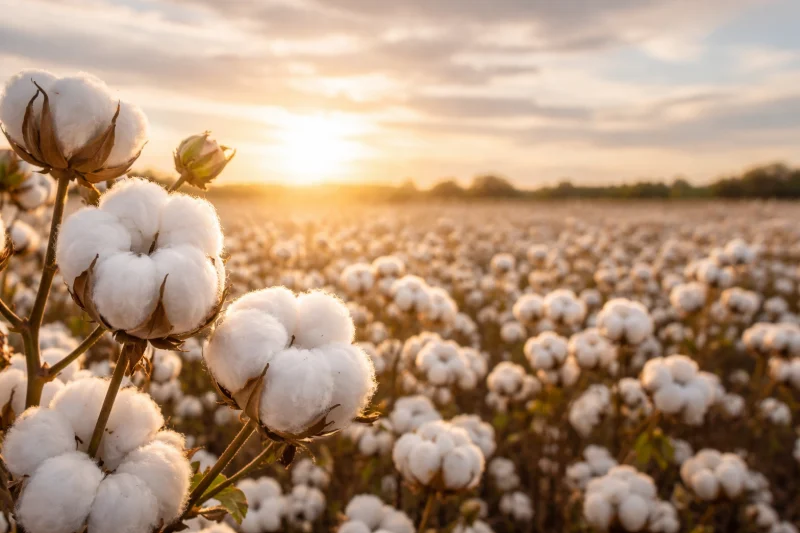
When choosing cotton bags, many brands find that bags that look similar can differ quite a bit in thickness, feel, and how they perform in real use. Choosing the wrong one can affect load capacity, printing results, and even the overall presentation. Once these differences are clear, it becomes much easier to find the right option for your project and make more consistent decisions going forward.
Cotton bags are reusable bags made from cotton fibers or a cotton-polyester blend. They are commonly used for retail packaging, promotional activities, and everyday use. Their main features include good breathability and strong compatibility with printing, allowing brand logos and graphics to be displayed clearly and consistently. These bags are widely used in e-commerce packaging, gift wrapping, and daily shopping.
Cotton bags can be grouped into several common types based on fabric weight and how they are used. Although they may look similar, differences in thickness1 and structure can directly affect how they perform in real use. Once these basic categories are clear, it becomes easier to choose the right option for your project.
Lightweight cotton bags are usually made from lower-weight fabric, with a soft feel and easy foldability. They also make it easier to control overall cost, making them suitable for promotional events, large-volume distribution, or short-term use.
Cotton canvas bags use thicker and denser fabric, giving them more structure and better load-bearing capacity. They are more commonly used for retail shopping, daily use, or projects where a stronger brand feel is needed.
Organic cotton bags focus on the sustainability of the raw material and are often used for brands with clear environmental positioning. In actual production, this type of material comes with higher costs, and supply and minimum order quantities can be more limited, so these factors need to be considered early in the planning stage.
The difference between cotton bags and canvas bags mainly comes down to thickness and how they are used, rather than the raw material itself. In practice, the industry often distinguishes them by fabric weight. Lighter cotton fabrics are usually used for daily or promotional purposes, while thicker and denser fabrics are generally referred to as canvas and are better suited for heavier loads and long-term use. That said, this is not a strict standard. For buyers, it is more practical to focus on the right weight and structure based on actual needs rather than the name itself.
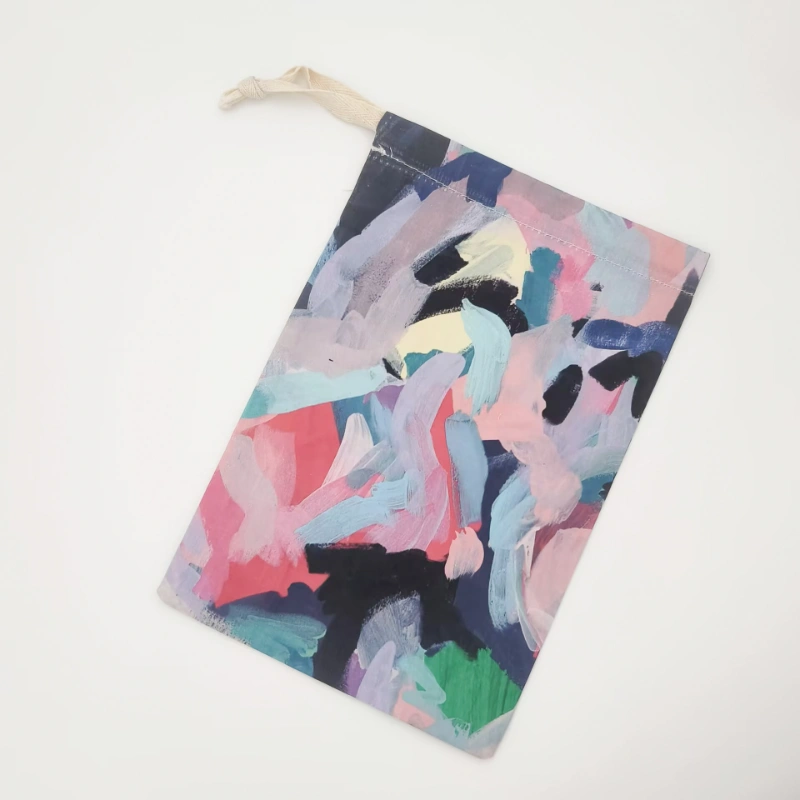
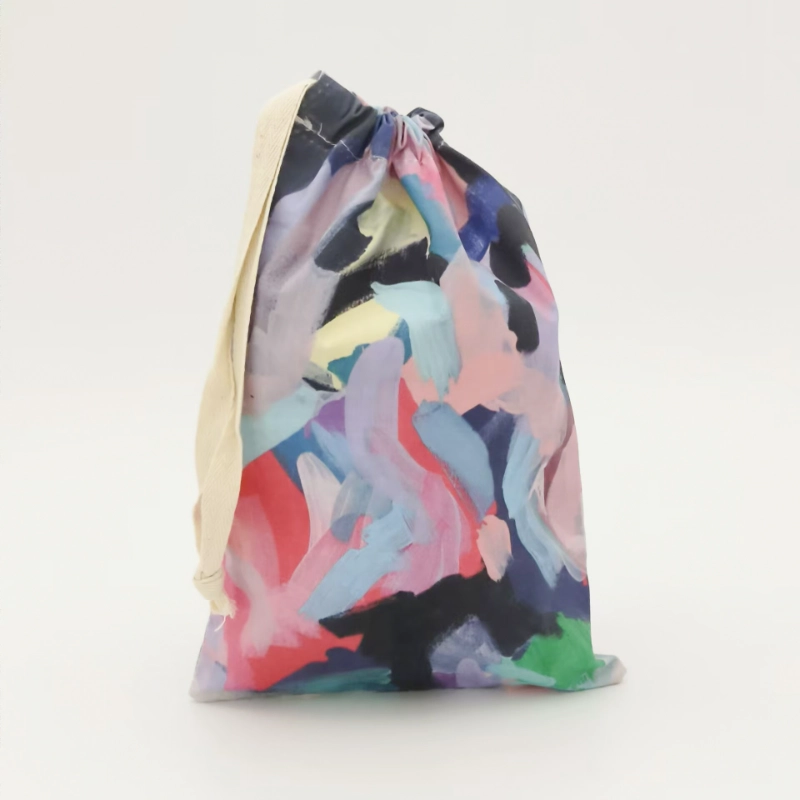
Cotton bags support a variety of printing methods, and different designs suit different processes. Choosing the right printing method affects both results and overall cost. Here are common printing and decoration methods:
Choosing a cotton bag is not about looking at just one factor. You need to consider the use case, the design, and your budget together. Here are three dimensions to help you decide.
Where you plan to use the bag determines how thick the fabric should be. For short-term events like trade show giveaways, pop-up store packaging, or one-time shipments, a lightweight 5 oz or 6 oz bag is enough. It costs less and folds easily for storage. But for daily shopping, employee gifts, or brand retail use, the bag needs to hold weight over and over again. An 8 oz, 10 oz, or even heavier canvas structure works better. The unit price is higher, but the bag lasts longer and feels better to use. That means more brand exposure over time. If your project has an eco-friendly focus, you can consider organic cotton2. Just keep in mind that it costs more and has higher minimum order quantities.
The complexity of your logo or artwork decides which printing method works best. For a simple logo with one or two colors and no gradient, screen printing is the most reliable choice. Colors match Pantone numbers accurately. It is durable and low in cost. For complex patterns, gradients, or photo-quality images, heat transfer, UV printing, or sublimation do a better job at capturing color and detail. If you want a premium look and feel, embroidery, foil stamping, leather patches, or jacquard webbing handles stand out more. But they cost more too. Let your design needs drive the process choice, not the other way around.
Once you know the use case and the design, budget becomes the final tool for making trade-offs. If your budget is tight, talk to your supplier about adjustments. For example, reduce screen printing from three colors to one. Or go from 10 oz down to 6 oz. Or switch from embroidery to foil stamping. But do not just ask for a lower price before you have confirmed the use case and design. That often leads to the wrong solution. The bag may be too thin and break easily, or the print quality may not meet your expectations.
Here is a quick reference table:
| Your Need | Recommended Thickness |
|---|---|
| Promotional events, short-term use | 5 oz / 6 oz |
| E-commerce shipping, gift wrapping | 6 oz / 8 oz |
| Retail shopping, long-term brand use | 8 oz / 10 oz |
| Premium brand, gifts, limited editions | 10 oz+ / canvas |
| Complex patterns, gradients, full color | 6 oz+ |
To sum it up, the right order is: first, decide the thickness by use case. Second, pick the printing method by design. Third, make the final trade-offs by budget. Follow this order, and you will be able to find a solution that fits your project.
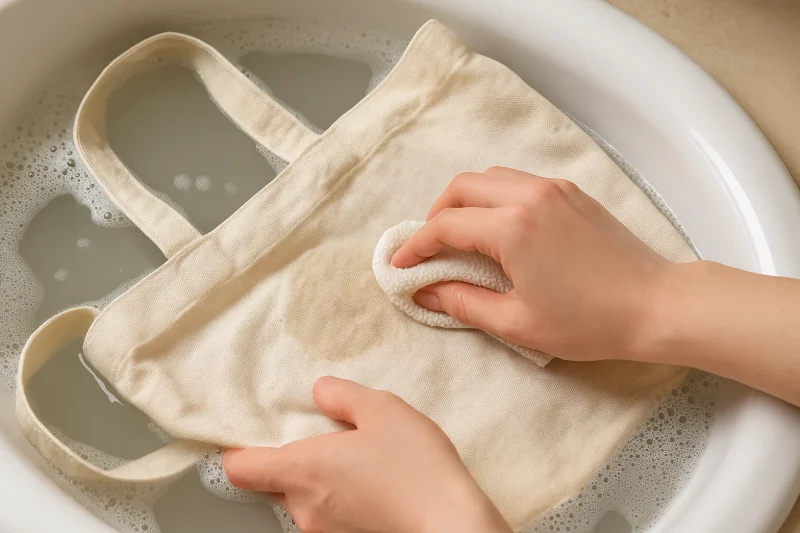
Taking care of cotton bags is simple. Doing it right helps them last longer and keeps the print looking good.
You can hand wash cotton bags or use a washing machine on a cold, gentle cycle. For everyday dust or small stains, just wipe them off with a damp cloth. It’s normal for cotton bags to shrink a little during the first few washes. After that, they will stay the same size.
High heat is not good for cotton bags. Hot water or high heat in a dryer can shrink the fabric more. It can also cause the print to crack or peel. If your bag has screen printing, heat transfer, or foil printing, high heat will damage those effects directly. Use cold or lukewarm water and let the bag air dry. Ironing is usually not needed. If you must iron, put a cloth over the print and use a low heat setting.
In short, wash with cold water and air dry. That’s all you need to keep your cotton bags in good shape.
Cotton bags are widely used because they are natural, durable, and reusable. They also show brand messages clearly. From lightweight 5 oz bags to heavier canvas over 10 oz, and from simple screen printing to embroidery or foil stamping, different thicknesses and printing methods can fit many different needs.
Knowing the basic features and how to choose cotton bags helps brands make better decisions. We hope this article gives you a clear picture of cotton bags. Whether you need them for promotions, e-commerce packaging, or retail use, you can find the right option for your project.
Get a free quote and expert consultation today. Let's bring your brand vision to life.
Answer: Cotton bags are made from cotton fibers or a cotton-polyester blend. The fibers are spun into yarn and then woven into fabric, ranging from lightweight cotton to heavy canvas.
Answer: Cotton bags are often seen as more eco-friendly than single-use plastic bags because they can be reused many times. However, the overall impact depends largely on how often the bag is used.
Answer: The main difference is thickness and structure. Canvas bags use a heavier, denser fabric than standard cotton bags. In practice, lighter cotton is used for everyday or promotional use, while canvas is better for heavy loads and long-term use.
Answer: It depends on your use case. For short-term events like trade show giveaways, 5 oz or 6 oz lightweight cotton is enough. For daily shopping or retail use, go with 8 oz, 10 oz, or heavier canvas for better durability.
Answer: Yes, cotton bags are great for printing logos and designs. The smooth fabric surface works well with screen printing, heat transfer, UV printing, sublimation, and embroidery.
Answer: Yes, it is normal for cotton bags to shrink slightly during the first few washes. After that, the fabric will stay the same size. Washing with cold water and air drying helps minimize shrinking.
Answer: With proper care, a cotton bag can last for years. Lightweight 5 oz or 6 oz bags work well for occasional use, while heavier 8 oz to 10 oz canvas bags can handle daily use and heavier loads.
Answer: Heavyweight canvas bags, typically 10 oz and above, are the strongest type of cotton bag. They offer the best load-bearing capacity and durability for long-term daily use.
Answer: Yes, embroidery works very well on cotton bags, especially on heavier fabrics like canvas. It creates a premium, three-dimensional look that is highly durable and wash-resistant, though it costs more than printing.
Answer: Standard cotton bags are not waterproof. They can absorb water, which may damage the print or the bag itself. Some suppliers offer coated or laminated cotton bags for water resistance.

Order or no-order we are Always here to help you!
We will contact you within 1 working day, please pay attention to the email with the suffix “@yanxinbag.com”.
Order or no-order we are Always here to help you!
We will contact you within 1 working day, please pay attention to the email with the suffix “@yanxinbag.com”.