
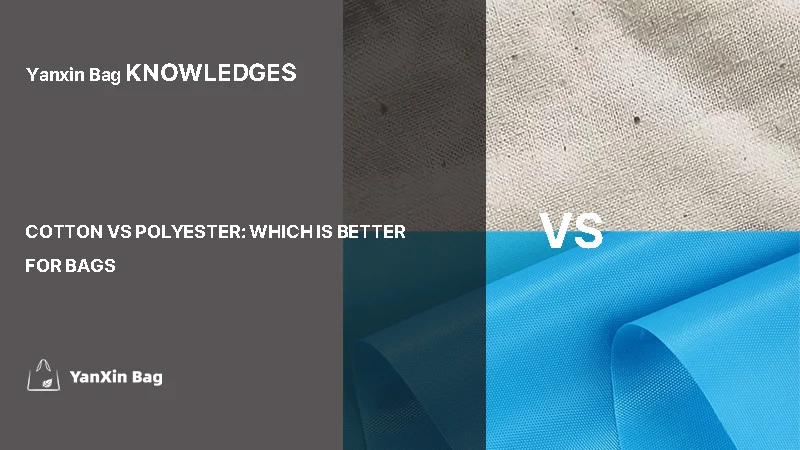
Many clients come to us asking the same question when customizing eco-friendly bags: “Do you recommend cotton or polyester?” The truth is, there’s no one-size-fits-all answer — it depends on the positioning of your project, your budget, and the image you want your brand to convey.
Simply put, cotton is a natural fiber with a soft texture and breathable feel. It takes printed designs well and gives off a more artistic, eco-conscious vibe, which is great for brands that want to emphasize sustainability and character. Polyester, on the other hand, is a synthetic fiber — it’s durable, water-resistant, and holds its shape well. That makes it a smart, cost-effective choice for large-scale event bags, promotional giveaways, and foldable styles.
We’ve been in the bag business for over a decade, working with all kinds of clients — from brand owners to wholesalers — and every use case is different. Choosing the right material isn’t just about comparing specs; it’s about understanding how the bag will be used and who will be using it. In this article, we’ll walk you through the differences between cotton and polyester from multiple angles. You’ll find a quick comparison table upfront, followed by a detailed breakdown based on common use cases — hopefully, it helps clarify your direction when choosing materials.
When it comes to cotton, we actually use it every day — T-shirts, bed sheets, shopping bags, you name it. Cotton comes straight from the fields, and after a series of processes, it becomes the fabric that eventually turns into the bags we hold in our hands. It’s a “naturally born” material — no plastic feel, no heavy chemical treatment. That’s why when many clients hear “eco-friendly bags,” their first instinct is to ask: “Can we make them with cotton?”
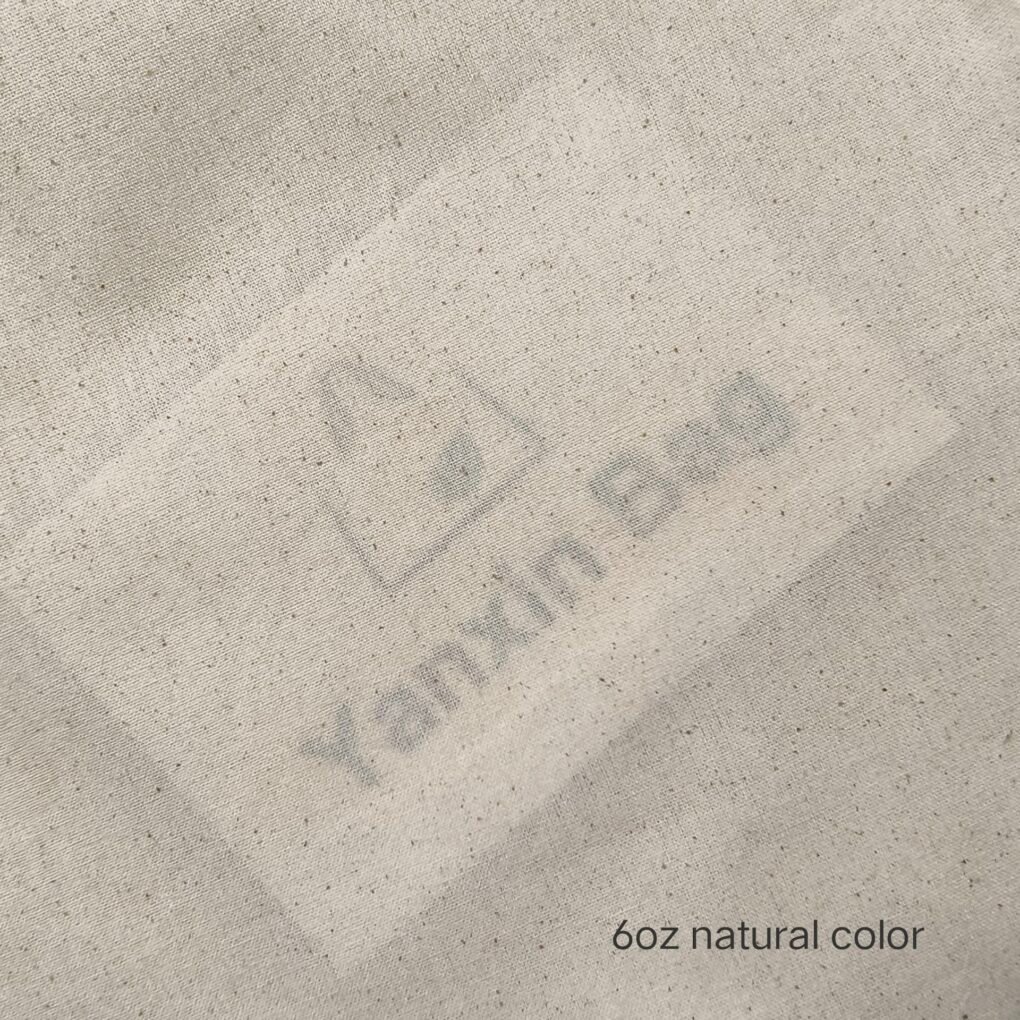
If you want your bag to feel soft to the touch and look natural with a bit of texture, cotton is definitely the right fit. It’s breathable and pleasant to carry, giving off a warm, genuine impression that helps express your brand’s personality. Plus, it takes prints beautifully — whether it’s a logo, slogan, or illustration, the result looks natural, never flashy, but always timeless.
In short, if you want your bag to look eco-friendly, feel comfortable, and carry a sense of quality, cotton is a perfect choice. In the next section, we’ll look at polyester — a completely different personality of fabric, suited for a very different kind of project.
Cotton tote bags are biodegradable. True
Cotton is a natural plant fiber that decomposes over time, making cotton tote bags biodegradable under proper conditions.
All polyester bags are waterproof. False
While polyester is water-resistant, not all polyester bags are fully waterproof unless coated or treated with a water-repellent finish.
Unlike cotton, polyester isn’t a natural material. It’s a man-made synthetic fiber derived from petroleum, transformed into fabric through a complex industrial process. The biggest advantage of polyester is that it’s consistent, reliable, and easy to work with — especially for projects that require efficiency or large-scale production. Making bags with polyester can save a lot of hassle during manufacturing.
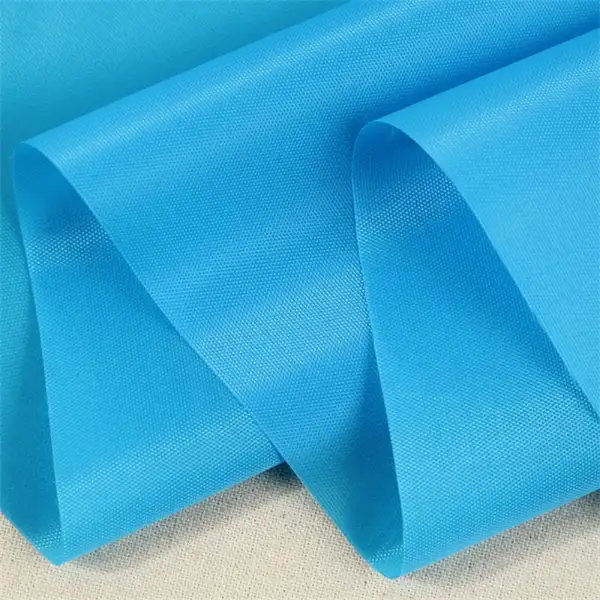
Polyester has very practical advantages: it’s durable, wrinkle-resistant, water-repellent, quick-drying, and keeps its color well. These traits make it ideal for bags that need to be convenient and easy to handle — for daily use, carrying heavier items, or maintaining a neat look over time.
However, if you want your bag to convey a “natural” or “gentle” tone, polyester may not be the best fit. While it’s lightweight and strong enough, the surface feels smoother and less organic than cotton, giving it a more practical, structured look. Its breathability is also limited, so in hot or enclosed environments, it might feel less comfortable.
That’s why we usually suggest clients decide based on their project goals: do you care more about easy cleaning, water resistance, and wrinkle-free use, or do you prefer a natural touch with a bit of lifestyle warmth? Both fabrics have their own strengths — it’s really about matching the right material to the right brand style and usage scenario.
Cotton is a natural fiber made from the cotton plant, giving it a soft, organic feel that naturally conveys warmth and authenticity. Polyester, on the other hand, is a man-made synthetic fiber — its raw materials go through multiple industrial processes such as polymerization, melt-spinning, and stretching before becoming fabric.
In essence, cotton’s natural origin makes it ideal for brands that emphasize sustainability and eco-friendly values, while polyester stands out for its consistency and reliability in large-scale production.
Winner: Cotton
In everyday use — carrying, folding, or friction — polyester generally performs more consistently. It resists deformation and fatigue even after repeated pulling or compression.
Cotton fabric, especially when reinforced, is also durable enough for most everyday or moderate-load scenarios. However, under extreme friction or humid conditions, its durability tends to be slightly lower than polyester.
Winner: Polyester
Polyester tote bags are more water-resistant than cotton ones. True
Polyester fibers repel moisture naturally, giving polyester bags better protection against rain or spills compared to cotton bags.
Cotton bags cannot be machine washed. False
Cotton bags can be machine washed with gentle settings, though they may shrink or wrinkle if exposed to heat.
Thanks to its fiber structure, polyester naturally repels moisture and performs better against rain or liquid spills. Cotton, in contrast, absorbs water easily, becoming heavier and slower to dry. This makes it less suitable for situations that require strong water resistance.
Winner: Polyester
Under similar thickness or weave density, polyester is usually lighter than cotton. This means that even when hardware or inner linings are added, polyester bags still feel easy to carry. Cotton, while pleasant to touch and slightly more substantial, may not be the best fit for designs that prioritize ultra-lightweight convenience.
Winner: Polyester
Cotton gives off a natural, artistic, and lifestyle-oriented visual impression — ideal for brands that emphasize storytelling and craftsmanship. Polyester, on the other hand, presents a smoother, more modern look with clean lines and structure, especially suited for designs that need to maintain a defined shape.
In this aspect, it really depends on your brand’s visual identity and message.
Winner: Tie
Cotton feels soft and textured, giving a warm and comfortable touch. Polyester isn’t rough, but it tends to feel smoother and slightly cooler to the touch — less cozy when in contact with skin, such as on straps or clothing.
Winner: Cotton
Cotton’s fiber structure allows good air circulation, preventing heat buildup — a clear advantage in warm weather or enclosed environments. Polyester, being denser, is less breathable and can feel slightly stuffy in hot or humid conditions.
Winner: Cotton
Polyester bags are easier to care for — most stains can be wiped off with a damp cloth, and the fabric retains its shape and smoothness after machine washing. Cotton bags, while washable, wrinkle more easily, may shrink slightly, and generally require air-drying and gentler handling.
Winner: Polyester
Printing on cotton delivers a natural and warm look, making it ideal for designs that focus on texture, artistry, or detail. However, in terms of print longevity, polyester performs better in color retention and resistance to fading. Especially when bags are used frequently or washed many times, polyester tends to maintain its printed designs longer.
Winner: Tie (depending on project requirements)
Cotton is a soft, flexible material and is often used for foldable eco bags. However, when it comes to ultra-light and compact designs — bags that can fit into a pocket or a small pouch — polyester has the advantage. Common types like 190T and 210T are thinner, smoother, and easier to fold down to a smaller size. They also spring back into shape quickly, making them great for giveaways or everyday foldable totes. While cotton bags are also portable, polyester still performs slightly better in terms of extreme space efficiency.
Winner: Polyester
Polyester bags dry faster than cotton bags. True
Because polyester absorbs very little water, it dries much faster than cotton after washing or exposure to rain.
Polyester bags are more eco-friendly than cotton bags. False
Polyester is made from petroleum-based materials and is non-biodegradable, making it less eco-friendly than natural cotton.
In most cases, polyester outperforms cotton in terms of raw material cost, production efficiency, and transportation convenience — making it the more cost-effective option overall. Cotton does carry added brand value and a premium feel, but for large-scale production, its overall cost tends to be higher.
Winner: Polyester
After reading through the detailed analysis above, you probably already have a good sense of how the two fabrics differ. But if you prefer a quick, visual summary, the table below lays out how cotton and polyester bags perform across 11 key dimensions, helping you instantly spot which material best aligns with your project goals.
| Dimension | Cotton Bag Advantages | Polyester Bag Advantages | Winner |
|---|---|---|---|
| Material Composition | Natural plant-based fiber; eco-friendly and organic feel | Synthetic fiber; strong stability and consistency for mass production | Cotton |
| Durability | Flexible and durable for daily use (slightly weaker in humid or high-friction conditions) | Highly resistant to stretching and deformation; ideal for heavy or frequent use | Polyester |
| Water Resistance | Absorbs moisture, deforms when wet, dries slowly | Naturally repels water, strong resistance to splashes | Polyester |
| Weight | Thicker and textured; feels substantial but slightly heavier | Lightweight and ideal for compact, easy-carry bags | Polyester |
| Appearance & Style | Natural and warm aesthetic; fits lifestyle or artistic brands | Sleek, modern look with clean lines; fits contemporary image | Depends on brand needs |
| Touch & Comfort | Soft, textured, and warm to the touch | Smooth and slightly cool feel | Cotton |
| Breathability | Excellent airflow and breathability | Denser weave, less breathable | Cotton |
| Maintenance & Cleaning | Machine washable but wrinkles and shrinks easily; needs gentle care | Easy to clean, holds shape after washing | Polyester |
| Customization & Printability | Natural print finish, ideal for detailed artwork | Strong color retention and fade resistance | Depends on project requirements |
| Foldability & Portability | Soft and foldable but not ultra-thin | More lightweight, compact, and easy to store | Polyester |
| Cost & Value | Higher material and production cost | Lower cost, faster output, and easier to ship | Polyester |
Cotton or polyester — which one is better? Actually, it depends on what kind of bag you plan to make. Below, we’ll talk separately about a few common bag types and see which fabric is more suitable for your project.
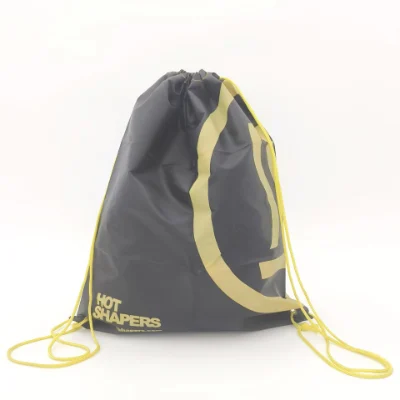
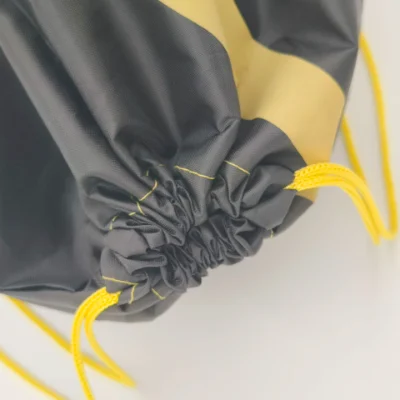
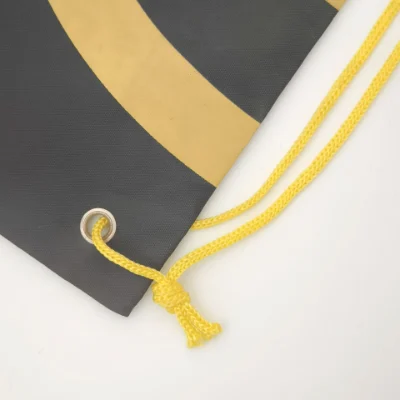
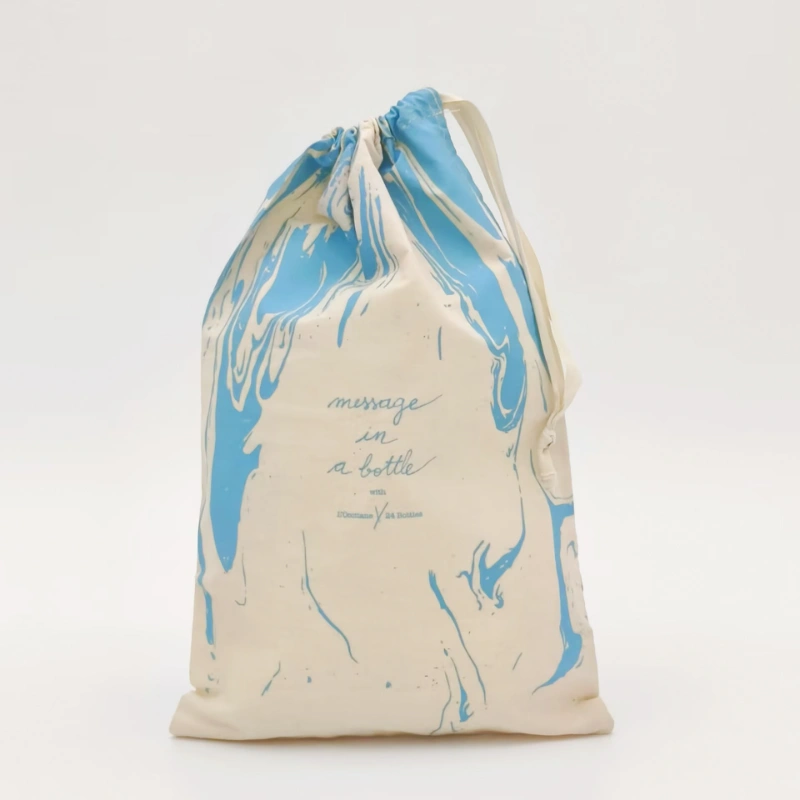
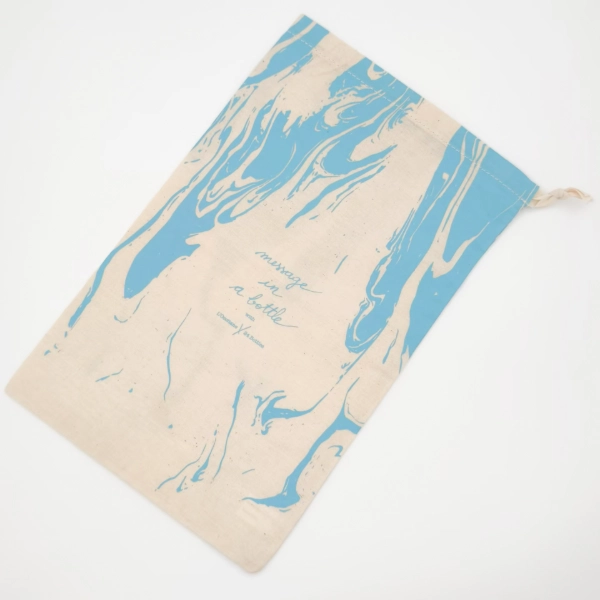
Drawstring bags are meant to be lightweight, especially those that can be folded and put into a pocket — almost all of these are made of polyester. If you want to make it look more visually stylish, such as for creative gifts or educational giveaways, you can also try a cotton version, which looks more “warm and human.”
Cotton bags are ideal for brands emphasizing eco-friendly values. True
Because cotton is renewable and biodegradable, it’s favored by brands that highlight sustainability and natural materials.
Polyester bags feel rougher than cotton bags. False
Polyester is typically smooth and sleek, though it lacks the natural texture of cotton. It is not inherently rough.
Here, polyester is indeed the first choice for most projects because it is more structured, not easy to deform, and can bear weight. If you are making trade show backpacks or student bags, we usually recommend polyester. If you want to make a more unique and niche-style backpack, cotton can also work — you just need to pay attention to structure support.
This really depends on what you are giving and to whom. For cost-effective event giveaways, we generally suggest polyester, which comes in bright colors and prints well. But if you want the gift to look elegant and premium, choosing cotton will better support your brand image.
So, is cotton better, or is polyester more suitable? There is no standard answer to this question — the key still lies in the purpose and focus of your bag project.
Do you want the bag to feel warmer and more textured overall? Cotton will be a great plus. It’s natural and tactile, giving off a sense of everyday style when held in hand. If you’re making bags for creative brands, e-commerce packaging, or retail scenarios, this tone will fit better. But if this time you’re making bags for event giveaways, promotional use, or if you want to lower costs and shorten lead times, then polyester is the safer choice. It’s light, waterproof, inexpensive, and easy to care for, plus the printing is stable — truly worry-free.
So, think of it this way: What message do you want this bag to convey for you? Is it gentleness, eco-friendliness, and storytelling? Or efficiency, cost-effectiveness, and versatility? Once you’re clear about that, the answer will be obvious.
As a manufacturer specialized in eco bag exports for many years, Yanxin Bag deeply understands how different materials influence the actual performance of a bag. We believe that a good bag should not only be beautiful and practical, but also start from material selection that truly matches the customer’s use scenario. If you want to choose a bag that is “both suitable and practical” for your brand, feel free to talk with us.
Want to grasp the full logic behind crafting canvas tote bags?
This article explores design structure, reinforcement, material compatibility, and customization workflows, outlining how these factors affect load bearing, printing performance, and market fit—an essential reference for developing canvas bags. 《The Ultimate Guide to Canvas Tote Bags》
Struggling to choose between canvas and jute?
This piece contrasts canvas and jute regarding texture, durability, print compatibility, sustainability, and lifespan, offering guidance on material choice aligned with brand aesthetics and customization scenarios. 《Jute Bags VS Canvas Bags, Which One To Choose?》
Looking for the right print technique for cotton or canvas bags?
This article details multiple printing methods suitable for cotton and canvas—screen print, heat transfer, UV, embroidery, etc.—highlighting how each performs in terms of washability, visual effect, and cost, helping you match method to material and design. 《How to Print on Cotton Canvas Bags: 10 Effective Techniques》
Want to fully understand the strengths and limitations of canvas bags?
This article comprehensively analyzes canvas bags from material traits, durability, user experience, maintenance difficulty, and sustainability. It explains trade-offs and value in both commercial and everyday applications. 《Pros and Cons of Canvas Bags》
Curious which canvas bag style suits which occasion best?
This article reviews various canvas bag styles—such as totes, gusseted bags, compact designs—and explains their advantages in capacity, portability, and scenario fit. It links style choice to material properties and user needs to guide your decision. 《Top Canvas Bag Styles and Their Uses》
Get a free quote and expert consultation today. Let's bring your brand vision to life.
Answer: Cotton bags are made from natural plant fibers and are eco-friendly, breathable, and easy to print on, while polyester bags are made from synthetic fibers, offering superior durability, water resistance, and cost-efficiency.
Answer: Yes, cotton bags—especially those made from organic cotton—are naturally biodegradable and a great choice for eco-conscious businesses looking for sustainable custom tote bags.
Answer: Polyester is more suitable for foldable shopping bags due to its wrinkle resistance, lightweight nature, and better foldability compared to cotton, which wrinkles easily after folding.
Answer: Polyester bags are inherently water-resistant and can be coated with materials like PU or PVC to enhance waterproof performance, making them ideal for outdoor or travel use.
Answer: Yes, both materials are printable. Cotton bags are ideal for screen printing and DTG with a rustic finish, while polyester bags work well with sublimation and heat transfer printing for vibrant, detailed logos.
Answer: Polyester bags are generally better for promotional giveaways due to their lower cost, lightweight design, and high durability, especially when large volumes are needed for events or campaigns.
Answer: While polyester bags are lightweight and practical, they tend to feel less soft and breathable than cotton bags. Cotton is preferred when comfort and a natural feel are priorities.
Answer: RPET (Recycled Polyester) is made from recycled plastic bottles and is a more sustainable alternative to virgin polyester. It combines durability with eco-conscious benefits, making it ideal for environmentally friendly promotional bags.
Answer: Polyester bags usually last longer due to their high tear and abrasion resistance. Cotton bags are less durable but can last a long time if used for light loads and handled with care.
Answer: Yanxin Bag is a trusted bag manufacturer offering custom cotton bags, polyester tote bags, and RPET eco bags. With 13 years of experience, we help global clients design and source high-quality, sustainable, and affordable bags tailored to their brand needs.

Order or no-order we are Always here to help you!
We will contact you within 1 working day, please pay attention to the email with the suffix “@yanxinbag.com”.
Order or no-order we are Always here to help you!
We will contact you within 1 working day, please pay attention to the email with the suffix “@yanxinbag.com”.