
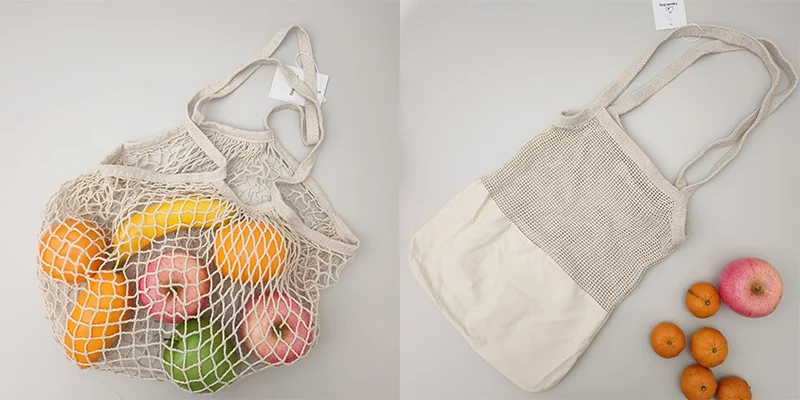
Many buyers tend to focus on appearance when choosing reusable bags, while overlooking the key differences in mesh fabric materials. In fact, the type, density, and fiber composition of mesh fabrics directly affect a bag’s breathability, load-bearing capacity, and overall durability. Choosing the right fabric ensures that a bag remains both lightweight and long-lasting.
Mesh fabric is one of the lightest and most breathable materials used in reusable bags. Common types include polyester, nylon, cotton, and RPET recycled fibers. Polyester is stable in structure, nylon is soft and abrasion-resistant, cotton is naturally breathable, and RPET combines strength with eco-friendly properties. Different weaving structures create varying levels of support and texture, making mesh fabric suitable for shopping bags, produce bags, laundry bags, and more.
Each type of mesh fabric differs in breathability, strength, and sustainability. To select the right material, it’s important to first understand the characteristics of each and the bag types they are best suited for. Let’s start by exploring the most commonly used mesh materials.
Mesh fabric is a textile formed by interlacing or knitting fibers to create evenly spaced openings. The size of the holes, the yarn type, and the fabric’s thickness determine its weight and breathability. Common materials include polyester, nylon, RPET recycled fibers, and cotton. Mesh is lightweight, breathable, and flexible—widely used in apparel, home products, and reusable bags.
In different markets, mesh bags are also known by other names such as mesh bag, net bag, produce bag, laundry bag, and drawstring mesh bag. While these names vary, their structure and function are similar. Understanding these naming differences helps exporters match keywords and buyer preferences across regions.
From a production perspective, mesh and net are not exactly the same. Mesh fabric is a woven or knitted material with uniform holes and a smooth surface, suitable for industrial manufacturing. Net, on the other hand, is typically formed by knotted cords with larger openings and a looser structure, commonly used for fishing nets or traditional string bags.
The two terms may overlap in everyday use, but they differ significantly in construction and application.
| Comparison | Mesh | Net |
|---|---|---|
| Structure | Woven or knitted textile | Knotted cord structure |
| Application | Produce bags, laundry bags | Fishing nets, traditional shopping bags |
Mesh fabric combines lightness and functionality, and its performance characteristics determine the bag’s appearance, usability, and comfort
Lightweight and Breathable
The open structure allows air to circulate naturally, keeping fruits, vegetables, or wet clothes fresh and dry. This makes it the preferred material for produce bags, laundry bags, and beach bags.
Structural Stability
Tightly woven mesh distributes tension evenly, maintaining its shape even after repeated folding or washing. It provides good support for shopping and storage bags.
Durability
Polyester and nylon mesh offer excellent tear and abrasion resistance, allowing for repeated use without damage—ideal for e-commerce packaging and high-frequency logistics use.
Easy to Clean
The smooth surface resists dust buildup and can be washed or wiped easily. It also dries quickly, making it convenient for households and retail users who value easy maintenance.
Design Flexibility
Mesh fabric can be customized by adjusting the hole size, thickness, and fiber type. It also pairs well with cotton or canvas for mixed-material designs, allowing for brand printing and creative variations.
Eco-Friendly Choice
As sustainability becomes a global focus, RPET recycled mesh and organic cotton mesh are increasingly popular among eco-conscious brands. These fabrics balance durability with environmental standards widely recognized in Europe and the U.S.
Limitations
Due to its naturally porous structure, mesh fabric is not waterproof and lacks the rigidity of thicker textiles. For large-capacity or outdoor bags, combining it with base fabrics, linings, or waterproof coatings is recommended for added support and longevity.
Polyester mesh has a stable structure, high rigidity, and strong durability. It is the most widely used type of mesh fabric for bags, commonly found in laundry bags, shopping bags, and packaging bags.
Nylon mesh is soft and elastic, with better abrasion resistance than polyester. It is often used in beach bags, sports bags, and travel organizers. It offers bright colors and a smooth touch, but its higher moisture absorption makes it less suitable for long-term use in humid environments.
RPET mesh is made from recycled plastic bottles and combines strength with eco-friendly attributes. The texture is slightly firm but structurally stable, meeting mainstream sustainability standards in Europe and the United States. It is commonly used in eco-conscious product lines.
Cotton mesh is naturally biodegradable and highly breathable, making it one of the most environmentally friendly materials. It is available in regular cotton and organic cotton varieties and is widely used in produce bags, natural-style shopping bags, and organic brand packaging.

The table below summarizes the main features and applications of common mesh materials for easy comparison.
| Material Type | Key Features | Common Applications |
|---|---|---|
| Polyester Mesh | Stable structure, strong abrasion resistance, good form retention | Laundry bags, shopping bags, packaging bags |
| Nylon Mesh | Soft, elastic, wear-resistant, bright in color | Beach bags, sports bags, travel organizers |
| RPET Mesh | Made from recycled plastic bottles, combining strength and eco attributes | Eco-friendly packaging, brand bags |
| Cotton Mesh | Naturally breathable, biodegradable, soft to the touch | Produce bags, organic shopping bags, gift packaging |
As shown in the table, the main differences between mesh materials lie in texture, structural stability, and sustainability. Buyers can choose based on their desired bag function and brand positioning.
Polyester mesh comes in several structural types depending on its weaving method, including hexagonal mesh, diamond mesh, twist mesh, and thick mesh. Each structure provides a different balance of breathability, flexibility, and user experience.
Hexagonal mesh has relatively large openings, providing excellent breathability. It is lightweight and well-ventilated, making it ideal for drawstring and laundry bags. This is the most widely used type of mesh fabric.
Diamond mesh looks similar to hexagonal mesh but is slightly more expensive. It is often used for drawstring bags and packaging bags, especially for brands seeking distinctive visual effects.
Twist mesh is a variation of polyester mesh with a softer texture and greater flexibility. It is particularly suitable for laundry bags, as its strong abrasion resistance allows it to withstand frequent pulling and friction, making it a popular choice for household use.
Thicker mesh is mainly used for tote and beach bags. Compared with lighter mesh fabrics, it offers more structure and support, enabling higher load capacity and a sturdier appearance. Most thick meshes are made from heavy polyester yarns, though some buyers opt for nylon as a premium option.
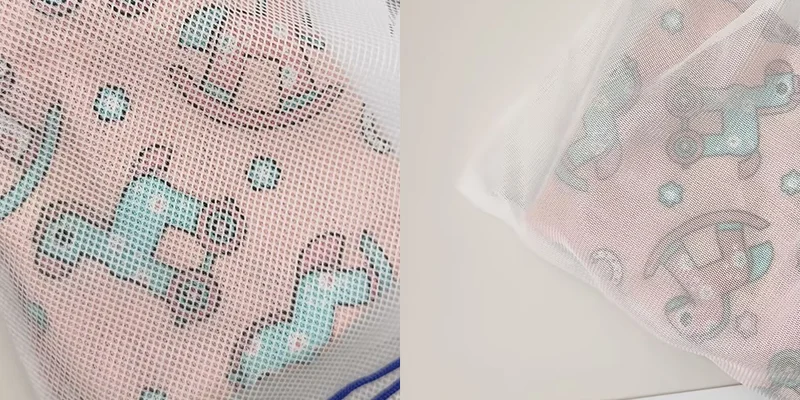
The structural differences in polyester mesh are primarily determined by weaving techniques. The following table summarizes the main characteristics of the four common types.
| Mesh Type | Key Characteristics |
|---|---|
| Hexagonal Mesh | Large openings, excellent breathability, lightweight structure |
| Diamond Mesh | Fine weave, smooth surface, stronger visual texture |
| Twist Mesh | Slightly twisted yarn, soft touch, flexible feel |
| Thicker Mesh | Thicker yarn, firm texture, stronger support |
Different weaving structures directly affect the mesh’s breathability, texture, and support. Buyers can select the right type based on intended bag design and desired appearance.
The size of the mesh openings in cotton fabric affects not only breathability but also the overall style and intended use of the bag. Cotton mesh is generally categorized by weaving structure and material type.
Large-mesh cotton fabric has wider openings, offering excellent ventilation and a light, natural look. It is commonly used for shopping and produce bags, and is favored by brands that emphasize an eco-friendly image. The overall appearance feels airy and relaxed, suitable for a variety of everyday uses.
Small-mesh cotton fabric has a tighter structure and is often applied to shoulder bags or drawstring bags. It is typically combined with solid cotton fabric—mesh on the upper part and plain cotton on the bottom—to achieve both breathability and structure. This design adds a sense of layering and privacy, making the bag more balanced in both function and style.
Cotton mesh can also be classified by material, with regular cotton and organic cotton being the two common types.
Regular cotton mesh is affordable and easy to source, making it the preferred choice for most customers. It provides stable breathability and comfort while offering flexibility in procurement.
Organic cotton mesh is certified with eco labels such as GOTS and made from naturally grown fibers without chemical pesticides or fertilizers. It is ideal for eco-conscious brands or large-scale export projects, though it typically requires a higher minimum order quantity (MOQ).
Overall, large-mesh cotton is better suited for full-bag applications, while small-mesh cotton works best when combined with solid cotton panels. Regular cotton focuses on cost-effectiveness, whereas organic cotton aligns better with brand and sustainability goals.
Mesh fabric, known for being lightweight, breathable, and versatile, is widely used across various bag styles. It balances functionality with aesthetics, making it one of the most adaptable materials for reusable bags.
Produce Bags
Light and breathable, ideal for carrying fruits and vegetables. It helps maintain freshness by allowing air circulation.
Laundry Bags
Used at home or during travel, allowing water and detergent to flow through easily. They dry quickly and are simple to clean and store.
Shopping Bags
Simple in appearance, durable, and easy to carry. Often used for daily shopping or promotional events.
Beach Bags
Sand-proof, moisture-resistant, and easy to clean. Perfect for seaside and outdoor use as they dry quickly and allow water to drain.
Storage Bags
Used for home or travel organization. The mesh design makes contents visible and well-ventilated.
Liner Bags
Used as inner layers in multi-structure bags for separation, breathability, or added protection.
Packaging and Display Bags
With a transparent appearance, these are suitable for packaging gifts, cosmetics, and clothing, combining presentation and light protection.
Mesh bags are considered an eco-friendly choice mainly because they are reusable and help reduce single-use plastic waste. Some are made from cotton or recycled fibers, which are biodegradable or recyclable. Although synthetic mesh fabrics are not biodegradable, their long lifespan allows them to serve as sustainable alternatives to plastic bags. Overall, the environmental value of mesh bags lies in their durability and reusability, aligning well with sustainable packaging principles.

When selecting mesh fabric for bags, consider the following factors to ensure the material meets product requirements.
Breathability
For produce and laundry bags, breathability determines airflow and user comfort. Larger openings provide better ventilation but should balance with appearance and content visibility.
Load-Bearing Strength
Thicker or denser mesh fabrics offer stronger support, ideal for shopping or beach bags. Choose based on the bag’s intended use and weight capacity.
Sustainability
For brands emphasizing eco-friendly values, biodegradable or recycled mesh fabrics are preferable. For those prioritizing cost efficiency, durable synthetic options can still achieve sustainable use through long lifespan.
Appearance
The mesh pattern significantly affects the bag’s overall style. Large meshes create a natural, airy look, while small meshes appear more refined and private. Mixed designs can balance visual appeal and functionality.
Cost and MOQ
Natural or recycled materials generally have higher costs and larger minimum order quantities. For flexible sourcing or diverse designs, polyester mesh offers better pricing and production lead times.
When selecting mesh fabric, these key aspects help assess whether the material fits the design, function, and production needs.
| Factor | Focus | Description |
|---|---|---|
| Breathability | Hole size and weave structure | Determines air circulation and freshness |
| Load-Bearing Strength | Fabric thickness and density | Affects bag support and durability |
| Sustainability | Material source and recyclability | Reflects brand sustainability goals |
| Appearance | Weave texture and surface finish | Influences overall style and aesthetics |
| Cost | Price and order flexibility | Balances budget and production needs |
By weighing these factors, buyers can find the ideal balance among performance, aesthetics, and cost.
The material and weaving of mesh fabric directly influence a bag’s appearance, breathability, and lifespan. For brands and buyers, understanding the distinctions between mesh types helps strike the right balance between design, cost, and function. Choosing the right fabric not only enhances bag performance but also makes products stand out more competitively in the market.
Get a free quote and expert consultation today. Let's bring your brand vision to life.
1 The Wikipedia entry on weaving identifies the process as the interlacing of warp and weft threads at right angles, a fundamental textile technique determining the structure and properties of fabric materials.
2 According to Textile Exchange and aligned sustainability frameworks, RPET recycled fiber represents the integration of mechanical and chemical recycling methods within the global textile industry.
Answer: Mesh fabric is a type of textile made by interlacing or knitting fibers to create an open-weave structure with evenly spaced holes, offering breathability and lightness. It is widely used in reusable bags for produce, shopping, laundry, and storage due to its durability and airflow performance.
Answer: Mesh bags are typically made from polyester, nylon, cotton, RPET recycled fibers, or polypropylene. Each material provides a different balance of breathability, flexibility, strength, and sustainability depending on the bag’s intended use.
Answer: Yes, mesh bags are considered eco-friendly because they can be reused hundreds of times, helping reduce single-use plastic waste. Many are made from recyclable or biodegradable fibers, aligning with sustainable packaging goals.
Answer: The open structure of mesh fabric allows air to flow freely, preventing moisture buildup and condensation. This helps keep fruits and vegetables dry, fresh, and less prone to mold or decay.
Answer: Polyester mesh is known for stability, wrinkle resistance, and shape retention, while nylon mesh is softer, stretchier, and more abrasion-resistant. Both are durable but suited for different bag designs and usage conditions.
Answer: Most polyester or nylon mesh laundry bags are dryer-safe when used on low heat. However, always check care labels, as excessive heat can damage the fabric or cause shrinkage.
Answer: Mesh bags are made from woven or knitted fabrics with uniform holes, while net bags are formed by knotted cords with larger openings. Mesh has a smoother surface and is used for produce or laundry, whereas net is often used for fishing or storage.
Answer: Consider the material type, hole size, breathability, load capacity, and sustainability. For example, cotton mesh suits eco produce bags, while polyester or nylon works better for heavy-duty shopping or laundry bags.
Answer: Mesh bags are not waterproof and lack structural stiffness compared to solid fabric or plastic bags. They may not be suitable for very small or liquid items but are ideal for breathable storage and lightweight use.
Answer: Mesh laundry bags protect delicate garments from tangling, snagging, or stretching during washing. They allow water and detergent to flow through while minimizing friction between fabrics.

Order or no-order we are Always here to help you!
We will contact you within 1 working day, please pay attention to the email with the suffix “@yanxinbag.com”.
Order or no-order we are Always here to help you!
We will contact you within 1 working day, please pay attention to the email with the suffix “@yanxinbag.com”.