
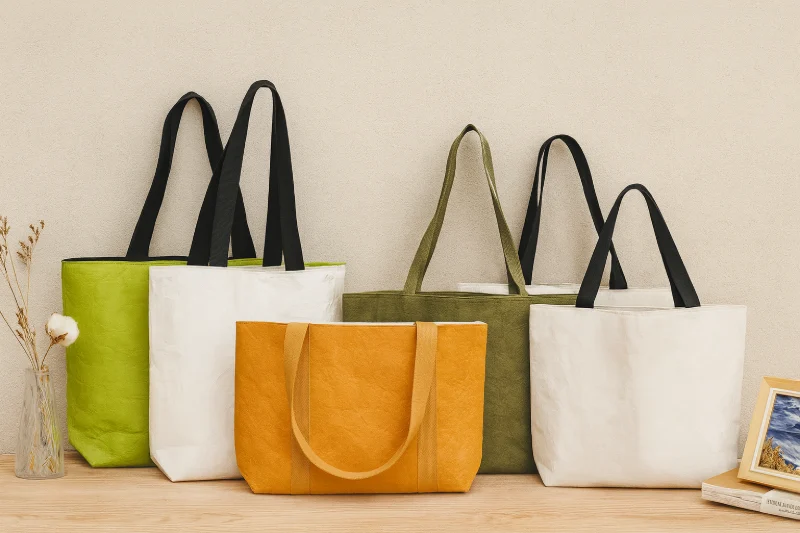
In recent years, Tyvek bags have appeared more and more frequently in brand packaging and retail environments. Some look like paper, some feel like fabric, and after different processing treatments, some can even present a leather-like texture. This unique combination of visual appearance and tactile feel has gradually made Tyvek a preferred choice for many brands. As the material is increasingly applied in packaging design, Tyvek bags have also developed into a wide range of structural styles. Below, we will systematically review the common types from a structural perspective.
Main load-bearing styles refer to Tyvek bag structures that feature a defined carrying system and are primarily designed around load capacity. These bag types usually have a clear body outline; the bottom may be a flat folded structure or include side expansions, resulting in a complete overall form. From a structural standpoint, they represent the most fundamental and most commonly used framework in Tyvek bag development.
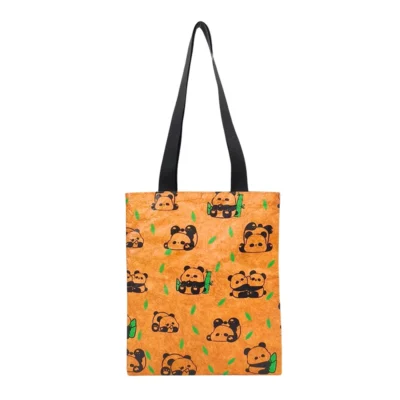
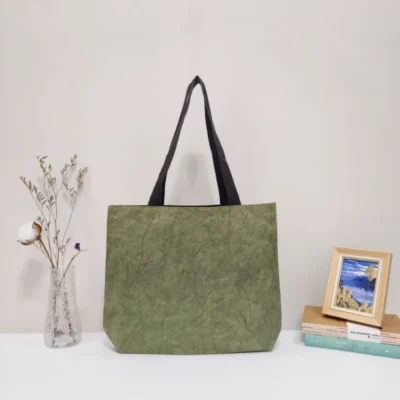
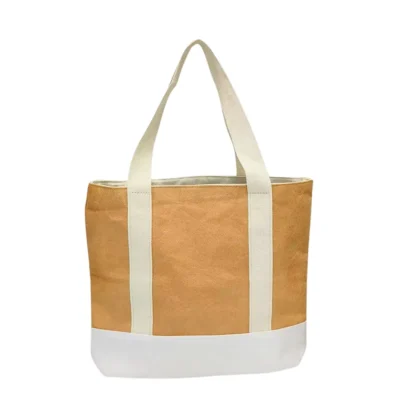
Flat Bottom Tyvek Bag is the most basic flat-style structure among Tyvek bags. The overall construction is simple, with no side gussets1 and no separate structured bottom panel, keeping the bag body in a flat, unfolded form. As one of the earliest and most common forms in Tyvek bag development, it emphasizes structural simplicity rather than complex panel combinations.
Because of its simple construction, this style offers better cost control. For projects that want to retain the unique texture of Tyvek while managing budget constraints, it is a more practical foundational option. In actual development, it is often used as an entry-level model or extended as a standard structure for large-volume orders.
Bottom Gusset Tyvek Bag is currently one of the most common Tyvek bag styles. The bag body includes an expanded bottom panel, which forms a defined base once items are placed inside, making it more structured and able to hold more than flat styles. The overall proportions are well-established and closely resemble the classic tote bag shape that most people are familiar with.
In the market, the majority of Tyvek bag projects adopt this structure. Its carrying capacity is sufficient for daily use, while the construction remains relatively straightforward, which has made it a long-standing mainstream standard. Many brands prioritize this type of structure when developing Tyvek bags.
Reinforced Handle Tyvek Tote Bag is a style developed from the classic tote structure with reinforced detailing and design upgrades. The handles use a continuous construction that extends from the bag opening down to the bottom panel, forming an integrated load-bearing system with the main body. Compared to handles that are only attached at the top edge, this structure distributes pulling force more evenly and improves overall weight capacity.
In terms of design, the bottom is often finished with a contrasting color panel, adding visual layering to the overall look. An additional center pocket can also be added between the two handles to hold small items such as phones or keys, increasing practicality. While maintaining a reinforced carrying structure, this style also pays attention to refined design details.

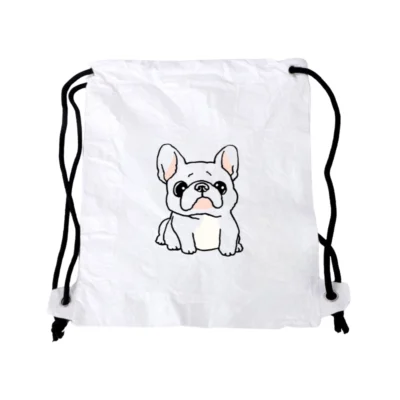
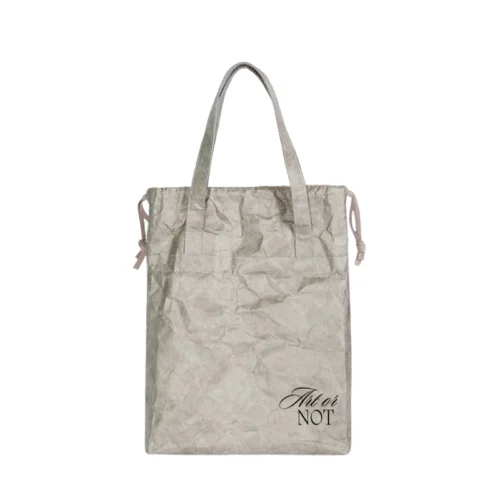
The Tyvek drawstring bag features a top drawstring closure, allowing the opening to be tightened easily. It follows a lightweight bag structure and retains the practical form of a standard drawstring bag, while presenting the distinctive texture of Tyvek.
This style is commonly used for event bags, training programs, or brand promotions, and can also be used to store shoes, toys, or everyday items. The structure is straightforward and production is well established, making it one of the lighter categories within the Tyvek bag range.
This style builds on the basic drawstring structure by incorporating dual cords that function as shoulder straps when tightened. The cords run from the bottom of the bag upward, forming a backpack-style configuration. In practical use, it can serve as a lightweight backpack or be used to carry shoes, toys, or event materials. The structure remains lightweight while offering more flexibility in carrying methods.
The drawstring tote combines a drawstring closure with independent carry handles. The top can be tightened, while the bag still maintains a standard hand-carry structure. Its overall appearance sits between a drawstring bag and a tote bag.
By retaining the drawstring closure while adding a complete handle system, this style presents a more structured bag form with additional detailing. Compared to a basic drawstring bag, it represents an upgraded version in terms of construction.
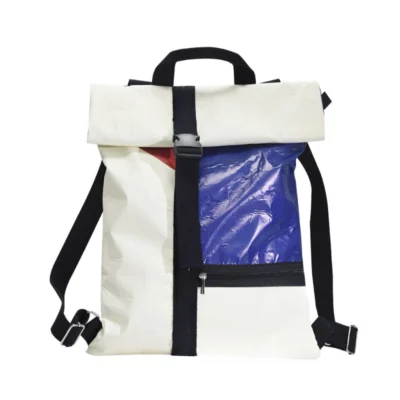
The Tyvek Backpack2 adopts a standard double-shoulder strap structure and is designed as a true carry-on backpack style. The proportions of the bag body are close to those of a conventional backpack, with the shoulder straps fixed at both the upper and lower sections of the bag, forming a complete carrying system. Compared to tote or drawstring bags, this category belongs to a full backpack structure.
In terms of closure, common options include drawstring and flap-with-buckle designs. The drawstring version closes by tightening the top opening, while the flap version secures the opening through folding and buckle fastening, giving it a more outdoor or functional appearance. Both maintain the double-shoulder carrying method, differing mainly in their closure construction.
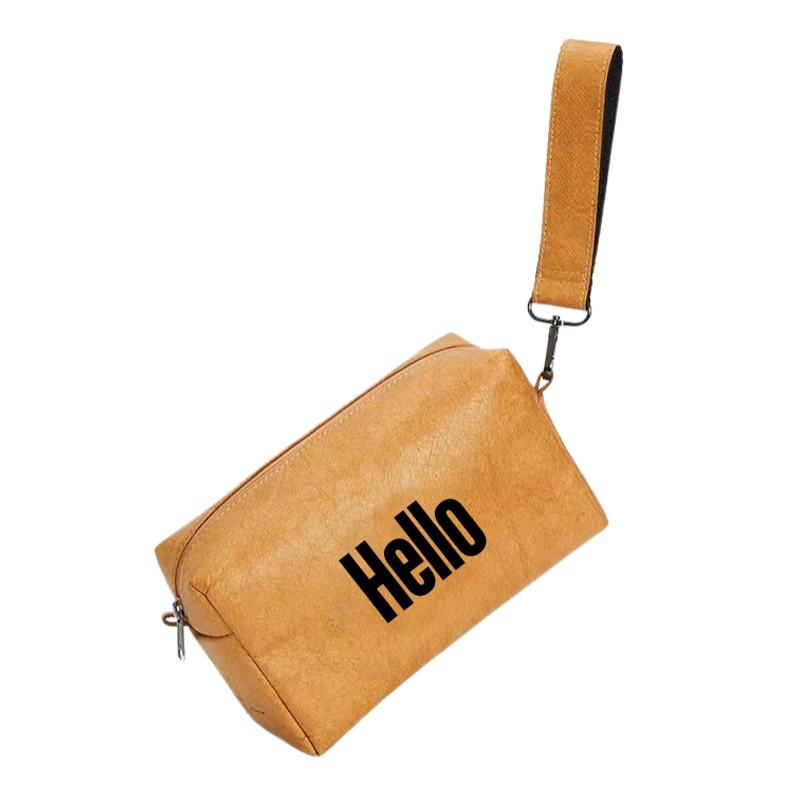
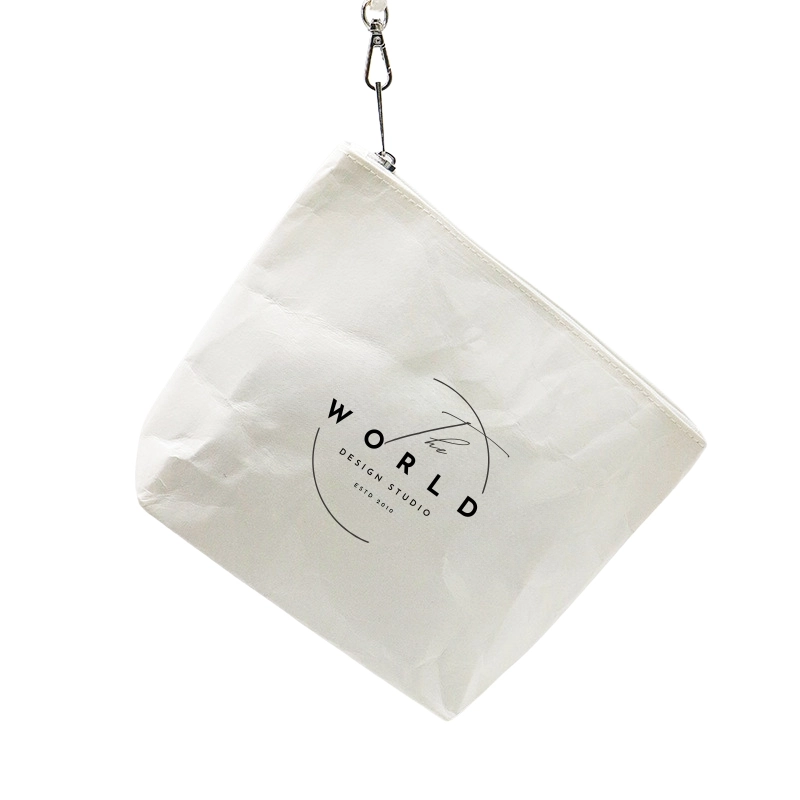

This category of small storage structures is characterized by compact size and convenience for organizing personal items. The most common form within this group is the zipper pouch, defined by a top zipper closure as its core structure. Depending on size and proportion, it can be developed into a structured pencil case or makeup bag, or produced in smaller formats such as a coin pouch or key pouch. The fundamental construction remains the same, with differences mainly reflected in dimensions and detailing.
Structured versions usually include a bottom panel or side expansions, making them closer in proportion to traditional pencil cases or cosmetic bags3. Flat versions do not include a bottom panel and remain lighter and thinner, commonly used for coin pouches or small personal organizers. Some styles may also incorporate wrist straps, metal hooks, or surface lamination, creating more variation in appearance and positioning.
Within the Tyvek product range, this type of zipper pouch covers multiple formats including pencil cases, cosmetic bags, and coin pouches, making it one of the more versatile foundational bag structures.
This category of Tyvek bags is developed around specific functional requirements, with structural designs that vary according to intended use. Unlike standard tote or storage bags, these styles typically incorporate composite inner layers, giving the bag itself added functional properties.
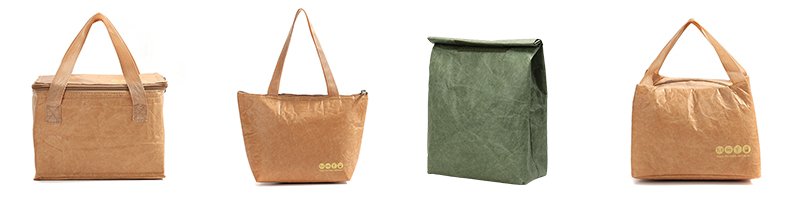
A Tyvek cooler bag is a structure that adds an insulated lining inside the bag body. The exterior maintains the texture of Tyvek, while the interior includes thermal materials to provide hot and cold insulation. The overall form still follows a three-dimensional bag proportion, but the structure is thicker than that of regular bags.
Depending on the external design, cooler bags can be made with flap closures, zipper closures, or box-shaped constructions. They can also retain a tote-style proportion while simply adding an insulated inner layer. Although the opening methods and exterior forms may differ, the core feature remains the composite inner structure.
This type of bag is commonly used for lunch bags, food takeaway, or event-related cold storage projects. Within the Tyvek product range, it represents a more function-driven extended structure.
Tyvek wine bags can be designed with internal divider structures according to specific requirements, used to secure wine bottles in place. The number of compartments can be made as single, double, or multiple sections, with the exact configuration adjusted based on the project needs.
In addition to internal divider variations, the overall proportions may change depending on the number of bottles. Some styles include reinforced handles or structural enhancements to better suit gift packaging scenarios. This type of bag is commonly used for wine gift packaging or brand event projects.
The Tyvek tissue box cover features a wrap-style construction designed to enclose a standard tissue box. An opening is reserved at the top for dispensing tissues, while the body wraps around the box form, making it closer to a fitted cover than a traditional carry bag.
Different sizes can be developed to match various tissue box specifications. The exterior maintains the distinctive texture of Tyvek and can be customized in color or detailing according to project requirements. This type of structure is commonly used in home settings, hotel projects, or as a brand accessory item, and within the Tyvek range it belongs to extended product structures.
From tote structures to drawstring and backpack forms, and further to zipper pouches, cooler bags, wine bags, and tissue box covers, the variation in Tyvek bag styles ultimately develops around different structural needs. Each bag type differs in proportion, closure method, and internal design, which also expands the application possibilities of Tyvek in packaging.
In practical projects, defining the bag structure is often the first step in customization. Once the style is confirmed, considerations such as size, detailing, and production methods become clearer, making the overall development process more straightforward.
Get a free quote and expert consultation today. Let's bring your brand vision to life.
1 Wikipedia describes how gusset forms the sides and bottom of a three-piece bag to expand internal capacity beyond a flat front-and-back attachment.
2 In industry standards, backpack functions as a load-distribution system designed to transfer carried weight from the upper torso to the shoulders and back.
3 As summarized by Wikipedia, toiletry bag includes alternative names such as dopp kit, wash bag, and sponge bag within personal accessory classifications.
Note: Tyvek® and DuPont™ are trademarks or registered trademarks of Dupont or affiliated companies of DuPont.
Answer: A flat bottom Tyvek bag has a simple flat structure without side or bottom expansion panels, while a bottom gusset Tyvek bag includes an expanded bottom panel that creates a more structured base. Bottom gusset styles are generally more spacious and resemble classic tote bag shapes.
Answer: A reinforced handle Tyvek tote bag features extended handles that run from the top opening down to the bottom of the bag body. This integrated structure distributes weight more evenly and improves load-bearing strength, making it suitable for heavier retail packaging or promotional use.
Answer: A DuPont paper bag is made from Tyvek, a nonwoven material composed of high-density polyethylene (HDPE) fibers. It combines the appearance of paper with the durability of fabric and offers tear resistance, water resistance, and lightweight strength.
Answer: Yes, Tyvek bags are water-resistant and tear-resistant due to their high-density polyethylene fiber structure. They can withstand moisture exposure and repeated use, making them suitable for retail packaging, promotional bags, and everyday carrying.
Answer: Tyvek is made from 100% HDPE, which is recyclable in facilities that accept polyethylene materials. Because Tyvek bags are reusable and durable, they reduce the need for single-use plastic bags and support sustainable packaging strategies.
Answer: A Tyvek drawstring bag is commonly used for events, school programs, promotional giveaways, shoe storage, toy storage, and lightweight daily carrying. It features a simple drawstring closure that allows easy opening and tightening.
Answer: A Tyvek drawstring bag uses cords to close the top opening and can sometimes function as shoulder straps, while a Tyvek backpack has a dedicated double-shoulder strap system and a more defined backpack structure. Backpacks often offer more stability and structural support.
Answer: A Tyvek cooler bag is a functional bag that includes an insulated inner lining to maintain temperature. It is commonly used as a lunch bag, food delivery bag, or promotional insulated tote while maintaining the outer Tyvek texture.
Answer: Tyvek zipper pouches are used as pencil cases, cosmetic bags, coin pouches, and key organizers. Depending on the size and structure, they may include flat designs or expanded bottom panels for additional storage space.
Answer: Tyvek bags are commonly used in retail packaging, fashion brands, promotional marketing, trade shows, wineries, food delivery services, hospitality projects, and eco-friendly product lines due to their lightweight, durable, and customizable properties.

Order or no-order we are Always here to help you!
We will contact you within 1 working day, please pay attention to the email with the suffix “@yanxinbag.com”.
Order or no-order we are Always here to help you!
We will contact you within 1 working day, please pay attention to the email with the suffix “@yanxinbag.com”.