
Our Academy
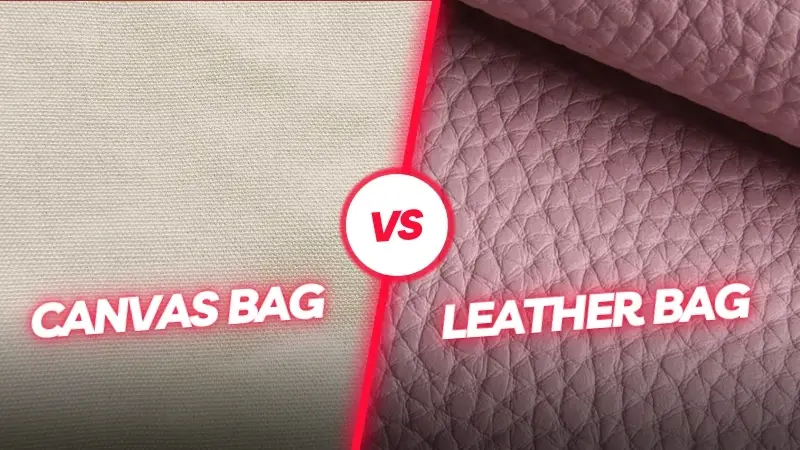
Almost every client who comes to us for custom bags starts with the same question: “Which is better, canvas or leather?” If we only talked about personal preference, the answer would be quick. But once you consider where the bag will be used, the budget, the brand image, and how easy it is to maintain afterward, the choice becomes much more complex. Canvas feels lighter and more casual, while leather is firmer and carries a stronger presence. The same design can look completely different when made from these two materials.
After years of making bags, we’ve come to clearly understand the pros and cons of both canvas and leather. They differ a lot in durability, water resistance, and overall appearance. In this article, we’ll share their strengths and limitations in the most straightforward way, helping you choose the one that best fits your needs and saves you future trouble.
A canvas bag is a bag made from canvas, a strong and durable fabric. It is thicker and more structured than regular cotton, which makes it suitable for daily use and allows it to be reused many times. Most canvas fabrics are woven from cotton or polyester blends, making them both sturdy and environmentally friendly — an ideal alternative to disposable plastic bags.
Because the material is durable and the style versatile, canvas bags can easily handle all kinds of daily tasks — shopping, commuting, reading, traveling, or even serving as giveaways for brand events. The surface of canvas is flat and smooth, making it ideal for printing logos or patterns, which is why many brands choose it for custom designs. Its advantages are clear: durability, eco-friendliness, and design flexibility — and that’s exactly why it has remained popular for so long.
Leather is essentially animal hide that has been carefully processed into a durable material. For example, cowhide and sheepskin go through a series of treatments such as tanning, dyeing, and polishing before they become leather suitable for making bags. Leather feels firm and resilient, allowing bags to keep their shape while providing better tear resistance than many types of fabric. What makes leather special is that it gradually changes over time — the surface develops a soft, natural sheen, and the texture becomes smoother and more supple with use.

Canvas bags are generally lighter than leather bags. True
Canvas is a soft, low-density fabric, making even thick canvas bags significantly lighter than leather ones of the same size.
Leather bags are maintenance-free. False
Leather needs regular cleaning, conditioning, and protection from moisture to retain its quality.
When choosing a bag, appearance alone isn’t enough. The real difference lies in the material itself. Let’s look at several key aspects — price, durability, user experience, and environmental performance — to see where canvas and leather truly differ.
Leather bags, on the other hand, cost significantly more. Besides the higher price of the raw material itself, leather requires manual cutting, polishing, stitching, and oiling — every step affects the final quality. Since usable leather areas are limited and waste is higher than with canvas, bags of the same size can cost several times more.
That said, leather bags do carry a different sense of value. They’re more of an investment piece — the longer you use them, the better they look. On a store shelf, they also elevate the overall brand image. Simply put: canvas bags win on practicality and cost, while leather bags win on quality and positioning.
When comparing durability, it really depends on how the bag is used. Generally, leather bags are more robust. Their fibers are naturally dense and tear-resistant, so they can hold heavy items without losing shape. Over time, leather becomes softer and develops a beautiful sheen — that unique patina is part of its charm.
The durability of canvas bags depends on fabric thickness. Common 12oz, 16oz, or 20oz heavy canvas performs quite well, and with a coated or waxed finish, water, stain, and abrasion resistance improve noticeably. Still, canvas is a fabric, and in humid conditions or with frequent friction, corners may show wear or slight fading.
If you’re looking for a bag that can truly “last for years,” leather is the better choice. But if you want something lightweight, washable, affordable, and easy to replace, canvas is more practical.
They each endure in their own way — leather lasts through time, canvas lasts through life.
When it comes to rain protection, it depends on the treatment. Untreated canvas naturally absorbs water, so it gets heavier in the rain. However, coated or waxed canvas can resist moisture surprisingly well — sometimes as effectively as leather. Waxed canvas is particularly impressive; raindrops tend to roll right off, and as long as it’s not soaked for hours, your belongings stay dry.
Leather bags have some natural water repellency, but they’re not waterproof. When genuine leather gets wet and isn’t dried promptly, it can leave stains, stiffen, or discolor. Many leather bags have protective coatings to handle occasional rain, but these fade over time.
So, if you’re often outdoors, commuting, or traveling, water-resistant canvas is the low-maintenance choice. But if you mostly use your bag in offices or formal settings, leather offers the sophistication you might prefer.
To sum up: Canvas doesn’t fear the rain; leather fears water but looks more refined.
This one’s easy — canvas bags naturally win when it comes to lightness. The fabric is soft and low in density, so even a thick canvas bag is much lighter than a leather one of the same size. You can fold it into your suitcase or backpack without taking up space, and even when it’s full, it won’t strain your shoulders too much. Thanks to this practicality and light weight, canvas bags are a top choice for commuting, travel, and shopping.
Leather bags are a different story. The material itself is heavier, and once you add linings, metal hardware, and zippers, the total weight goes up quickly. While they hold their shape beautifully, they do feel heavier after a long day of carrying.
If you’re after convenience, flexibility, and that effortless “grab-and-go” feeling, canvas is your best bet. But if you want a bag that stands upright, keeps a structured silhouette, and looks more composed, leather offers a sense of presence that canvas simply can’t match.
In short: Canvas wins in lightness and freedom; leather excels in stability and form.
From a daily-use perspective, canvas bags are the kind you can carry without a second thought. They’re light, spacious, and easy to clean — perfect for commuting, grocery runs, or weekend trips. Even when they get a bit wrinkled or slightly faded over time, that lived-in look adds character. Plus, you can easily personalize a canvas bag with printed patterns or logos — one small design and it becomes uniquely yours.
Leather bags, on the other hand, offer a different experience. They’re structured and polished, making them ideal for the office, business trips, or formal occasions. Carrying a leather bag immediately gives you a more professional, composed look. However, leather is more delicate — it doesn’t like water or scratches, so it needs more care.
So, if you enjoy a relaxed, effortless everyday vibe, canvas fits better;
but if you value image and sophistication, wanting your bag to elevate your presence, then leather is the way to go.
Simply put: Canvas suits daily life; leather suits special occasions.

When it comes to sustainability, both canvas and leather have their own logic. Canvas isn’t just a type of fabric — it’s a structure that can be made from pure cotton, cotton-poly blends, or full polyester. Cotton canvas is natural and breathable, though cotton farming consumes more water. Cotton-poly canvas is stronger and longer-lasting, while polyester canvas, though synthetic, is energy-efficient to produce. In short, canvas’s eco-friendly advantage lies not in being “natural,” but in its reusability and resource efficiency.
Leather, on the other hand, depends heavily on processing. Genuine leather requires multiple stages — dehairing, tanning, dyeing — each involving water and chemical use. Although many factories now adopt plant-based tanning or recycled leather techniques, it’s hard to eliminate carbon emissions and wastewater completely. That said, leather bags are extremely durable — a good one can last for years, which also means it extends material value over time.
To sum up: Canvas is lighter and more energy-efficient, while leather is sturdier and longer-lasting.
If you care about production impact and sustainability, canvas is the better fit. If you value longevity and premium feel, leather has its own meaningful role.
Canvas bags are relatively easy to care for. A soft brush is enough to remove dust, and if you spill something like oil or coffee, just use a damp cloth with mild detergent to wipe gently. Cotton canvas can even be hand- or machine-washed — just use cold water and air dry naturally instead of exposing it to the sun. This helps maintain the bag’s shape and color longer. For printed or coated canvas, gentle cleaning is best.
Leather bags, however, need more attention. Genuine leather dislikes both heat and humidity, so it’s best stored in a dry, ventilated place. Every so often, apply a bit of leather conditioner to keep it soft and shiny. If it gets wet, gently pat it dry and let it air naturally in the shade. While leather care takes more effort, the reward is worth it — the longer you use it, the more beautiful it becomes, with that unmistakable glow of time.
In short, canvas bags are perfect for people who want something “easy and ready to go,” while leather bags are companions that reward patience and care. The first is casual and practical; the second, elegant and full of stories — both hold value in their own way.

Canvas and leather bags project entirely different personalities. Canvas feels casual and down-to-earth — whether printed, color-blocked, or simply branded, it handles designs effortlessly. The soft texture and natural vibe make it approachable and unpretentious, perfect for brands with a minimalist, eco-friendly, or youthful tone. Its strength lies in being versatile and expressive.
Leather, in contrast, conveys formality and confidence. Its clean lines and structured form exude professionalism. Whether it’s the subtle gloss of genuine leather or the crisp shape of synthetic leather, it instantly elevates the look. That’s why leather bags are often chosen for corporate gifts, business use, or premium retail — they express maturity and lasting value.
In one sentence: Canvas conveys warmth, leather conveys trust.
Canvas gives a brand an open, friendly image, while leather adds quality and credibility. The choice isn’t about which is better — it’s about the message you want people to feel at first glance.
Leather develops a patina that enhances its look over time. True
With use, leather surfaces gain a soft sheen and richer color, a process known as patina development.
Canvas bags cannot look stylish or professional. False
High-quality or coated canvas can appear elegant and structured, suitable for work or fashion settings.
When choosing the right material for your bags, the most important thing is to consider how and where it will be used. Below are several common scenarios to help you decide which material fits best.
| Use Case | Recommended Material | Why It Works |
|---|---|---|
| Daily commuting & shopping | Canvas Bag | Lightweight, durable, spacious, and easy to clean — the most practical choice |
| Brand promotions & trade shows | Canvas Bag | Printable for logos, quick to produce, cost-effective — ideal for bulk orders |
| Business meetings & corporate gifts | Genuine Leather Bag | Structured, elegant, and professional — perfect for formal occasions |
| Fashion retail / boutique collections | Thick Canvas or Leather Bag | Combines design flair with premium feel — highlights brand identity |
| Travel & outdoor activities | Waxed Canvas Bag | Water- and dirt-resistant, tough and durable — great for frequent use |
Whether it’s canvas or leather, there’s no absolute “better” choice — each material simply fits different brand styles. Canvas is lighter, more flexible, and easier to customize with prints or logos, making it ideal for brands that emphasize a natural, eco-friendly, or everyday lifestyle. Leather, on the other hand, carries a sense of stability and refinement, suitable for gifts, business settings, or premium product lines that aim to project a high-end image.
When advising clients, we often start with two simple questions: Who will use the bag, and in what kind of setting? If your target users value practicality and ease, canvas is the right pick. But if you want a bag that lasts longer and reflects a refined brand image, leather is the more reliable choice. In fact, many brands find that combining both works best — canvas for the everyday collection and leather for the premium line — creating a more complete and balanced product range.
Over the years, we’ve seen many clients hesitate when choosing materials, but the truth is simple: start with the feeling your brand wants to convey, then choose the material that expresses it best. Once you get that right, the bag itself becomes your brand’s silent storyteller. At Yanxin Bag, we’ve been specializing in sustainable and custom-made bags for years, helping brands align material, design, and purpose — so each bag is not only practical but also carries your brand’s personality and value.
Want to master the key design and customization principles of canvas tote bags?
This guide covers the material selection, structural design, printing techniques, and brand customization pathways of canvas totes. It explains how canvas density, stitching, and bag structure influence durability and aesthetics, and offers sourcing and process recommendations for brand projects. 《The Ultimate Guide to Canvas Tote Bags》
Struggling to choose between canvas and nylon?
This article compares the two materials across properties such as texture, water resistance, weight, and durability. It also examines how each performs in everyday, travel, and promotional contexts, helping clarify their differences in aesthetics and practicality. 《Canvas Bags VS Nylon Bags》
Curious how to properly clean a canvas tote to preserve its life?
This article walks through preparation, suitable washing methods, stain treatment, drying, and care. It also gives specific advice on maintaining printed designs and color stability, making it essential for long-term use. 《How to Wash a Canvas Tote Bag: Complete Step-by-Step Guide》
Want to discover canvas bag styles that elevate both brand appeal and practicality?
This piece categorizes various tote designs—such as standard totes, gusseted bags, and foldable styles—and explains their ideal uses and pairing tips. It also links these forms to material properties and load capacity to guide your selection. 《Top Canvas Bag Styles and Their Uses》
Wondering why jute is sometimes chosen over canvas in eco product lines?
This article contrasts jute and canvas in texture, durability, sustainability, and visual integration. It also covers their roles in branding, cost efficiency, and sustainable design, helping you strategically select between the two materials. 《Jute Bags VS Canvas Bags, Which One To Choose?》
Get a free quote and expert consultation today. Let's bring your brand vision to life.
Answer: The main differences lie in price, durability, weight, water resistance, maintenance, and style. Canvas tends to be more affordable, lighter, and easier to clean, while leather offers more longevity, structure, and premium aesthetic — but needs more care.
Answer: Not always, but generally yes — canvas material and manufacturing are less expensive, which often makes canvas bags more budget-friendly than equivalent leather bags.
Answer: Yes — if properly maintained, leather bags may age better and remain usable longer than canvas that undergoes heavy wear, though this depends on material quality and care.
Answer: Only partially — untreated leather has limited water resistance and may stain or degrade if soaked. Many leather bags use protective coatings to improve water resistance.
Answer: Canvas bags are typically much lighter due to lower material density, making them easier to carry, pack, or fold compared to leather bags.
Answer: Yes — leather requires conditioning, avoiding moisture and sunlight, and often more frequent care, while canvas can often be cleaned with gentle washing or spot cleaning.
Answer: Not entirely — while traditional leather production involves water and chemicals, some tanneries use eco-friendlier processes like vegetable tanning or recycled leather that lower environmental impact.
Answer: They can — especially cotton canvas if washed in warm water; cold water washing and air drying help minimize shrinkage.
Answer: Yes — both materials need proper maintenance (cleaning, avoiding extremes of water/heat, protective treatments) to prolong their lifespan.

Order or no-order we are Always here to help you!
We will contact you within 1 working day, please pay attention to the email with the suffix “@yanxinbag.com”.
Order or no-order we are Always here to help you!
We will contact you within 1 working day, please pay attention to the email with the suffix “@yanxinbag.com”.