
Our Academy
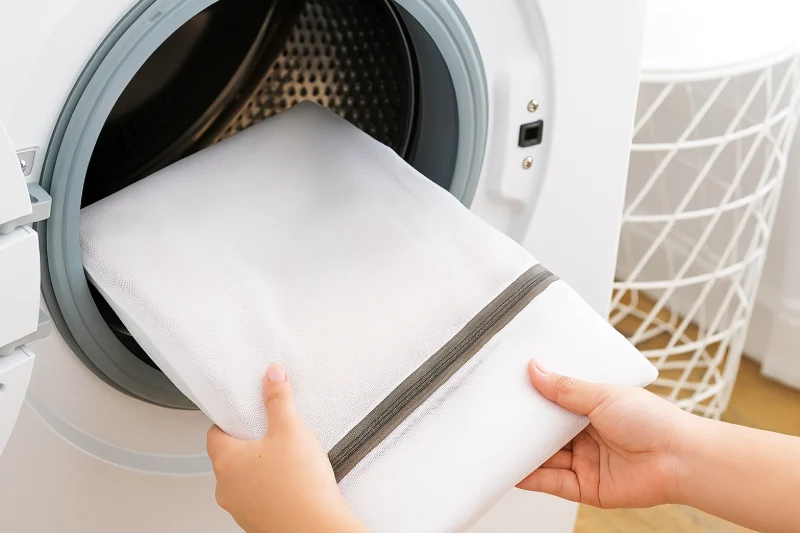
Laundry may seem like a simple chore, but it often brings small frustrations. Shirts lose their shape, socks go missing, and delicate lace gets caught and frayed. Most of the time, it’s not your washing machine being too rough — it’s the clothes rubbing against each other.
In this guide, you’ll learn why mesh laundry bags are worth using, what types of clothes belong in them, how to choose the right ones, and how to use them correctly so you can make laundry easier and kinder to your clothes.
Protects delicate fabrics
The washer’s motion can be tough on lace, silk, or fine knitwear. A mesh bag cushions these fabrics and helps them hold their shape.
Prevents stretching and distortion
Bras, swimwear, and stretchy sportswear can lose their form during the wash. The bag keeps them in place and helps maintain support and elasticity.
Stops snags and tangles
Zippers and buttons often snag on other items. Separating clothes with a mesh bag prevents damage and keeps everything from twisting into a mess.
Keeps small pieces together
Socks, baby clothes, and handkerchiefs are notorious for vanishing in the washer. A mesh bag keeps them all together in one place.
Reduces friction and pilling
Cotton shirts and knits rub together and form pills. A mesh bag minimizes that friction, keeping fabrics smooth and looking new.
Protects embellishments
Sequins, embroidery, and beaded designs can easily get damaged. A mesh bag shields them from rough contact so details stay beautiful.
Keeps laundry organized
Using multiple bags for different fabrics helps you wash mixed loads without color transfer or tangling.
Extends garment life
By reducing wear and tear, a mesh laundry bag helps your clothes last longer — saving money in the long run.
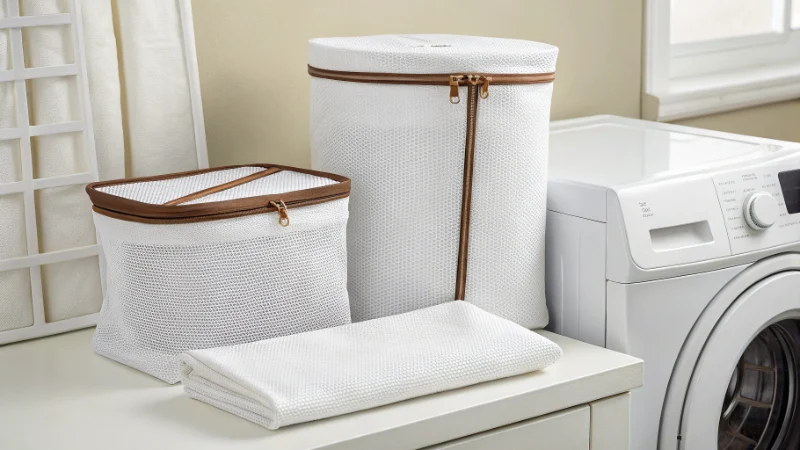
Delicate fabrics
Materials like silk, lace, and wool are easily stretched or deformed. Using a mesh bag separates them from other garments, reducing friction and pulling.
Underwear and bras
Lingerie with underwires, hooks, or lace details is prone to snagging. Washing them inside a mesh bag helps maintain their shape and extend their lifespan.
Sportswear and swimwear
Clothing made with elastic fibers can lose elasticity or stretch out during high-speed spinning. A mesh bag protects the fabric, helping it retain its stretch and fit.
Clothes with embellishments
Sequins, embroidery, or beaded decorations can easily be scraped off or damaged during washing. A mesh bag prevents these delicate details from getting caught or ruined.
Shirts and lightweight tops
Collars, buttonholes, and fine stitching areas are vulnerable to friction. Placing them in a mesh bag reduces wear and helps fabrics stay in good condition.
Baby clothes and small garments
Tiny items like baby socks, mittens, or bibs are easy to lose. Washing them together in a small mesh bag keeps them organized and prevents them from going missing.
Socks and handkerchiefs
Small items that often “disappear” in the washer can be washed in a mesh bag to keep pairs together and make drying easier.
Knitted or loosely woven garments
Knitted sweaters and similar items can have loops pulled out during washing. Using a mesh bag helps prevent snagging and distortion.
Separate clothes by fabric type, color, and function. Place delicates, activewear, and small items into individual mesh bags to prevent abrasion.
Match the bag size to the garments. A bag that’s too small will wrinkle clothes, while one that’s too large will reduce protection.
Fill the bag to about two-thirds of its capacity. This allows enough space for water and detergent to circulate evenly, ensuring effective cleaning.
Whether it’s a zipper, drawstring, or clip, make sure it’s fully closed. Tuck the zipper pull into its protective sleeve to prevent scratching other clothes.
Put the mesh bag in the washer along with your regular laundry. There’s no need to separate layers, but avoid mixing it with heavy items like jeans or jackets.
Choose the wash cycle based on the most delicate item inside the bag. It’s generally best to use a gentle or delicate mode and avoid high temperatures.
Take clothes and mesh bags out of the washer as soon as the cycle finishes to prevent wrinkles or odors from moisture trapped inside.
Most mesh bags can be air-dried together with the clothes, but it’s best to avoid high-heat drying. Hanging them in a well-ventilated area helps extend their lifespan.

Overfilling the bag
When the bag is too full, clothes become tightly packed, restricting water flow and detergent penetration. This often results in uneven or incomplete cleaning.
Washing with heavy or rough garments
Items like jeans, jackets, or printed tops with hard surfaces can cause friction or scratches that damage delicate fabrics. It’s best to separate these into different bags and avoid washing lace, silk, or other fragile items together with them.
Ignoring bag size
A bag that’s too large allows garments to twist and knot inside, while one that’s too small fails to protect them properly. Choosing the right size for your laundry is essential.
Using a damaged bag
Holes or broken zippers can let clothes escape during washing and even cause them to get caught in the machine. Replace worn or torn bags promptly.
Failing to secure the closure
If the zipper or drawstring isn’t fully tightened, garments can slip out mid-wash. Always double-check that closures are properly fastened before starting the cycle.
Not drying the bag promptly
Leaving wet laundry in the bag for too long can lead to odors or mildew. Remove clothes and hang both garments and bags to dry immediately after washing.
Check the mesh density
Finer mesh provides better protection, while larger mesh allows stronger water flow. Fine mesh is ideal for lingerie or lace garments; coarse mesh suits towels and sportswear.
Choose the right material
Most laundry bags are made of polyester or nylon mesh — both are high-strength synthetic fibers with excellent durability, breathability, and water permeability.
Inspect the closure design
Zipper-style bags are the most secure and less likely to open during washing. Drawstring bags are convenient but may loosen if not tied properly. A zipper cover can prevent scratching or snagging on clothes.
Select the right size
Use different bag sizes for different garments — small for underwear and socks, medium for shirts and tees, and large for sweaters or sportswear. Filling about two-thirds of the bag ensures the best balance between protection and water flow.
Check if it’s dryer-safe
If you frequently use a dryer, choose a bag labeled as “Dryer Safe” to ensure it can withstand heat.
Examine the stitching quality
Seams and edges are the most vulnerable parts of the bag. Reinforced stitching or double-edge seams greatly improve durability and prevent unraveling over time.
Rinse regularly
After several uses, detergent residue and lint may build up on the mesh. Rinse the bag with clean water every few washes to keep it breathable and effective.
Air dry whenever possible
It’s best to air dry your mesh bag after use. If you must use a dryer, choose a low-temperature setting to prevent fiber aging.
Check closures and seams
Zippers, drawstrings, and seams are the parts most prone to wear. Replace the bag if you notice loose threads or small holes to prevent clothes from spilling out in the washer.
Store in a dry place
When not in use, keep the bag dry to avoid mold or odor buildup.

The quality of a laundry bag mainly depends on its material, components, and craftsmanship. The fiber strength and density of the mesh determine its durability, while zippers and drawstring accessories affect its service life3. Stitching and edge finishing decide whether the overall structure remains strong over time. For manufacturers and brands, these details represent real product value. For everyday users, choosing a well-made bag, using it properly, and maintaining it regularly will keep it in good condition for years, making laundry easier and more reliable.
If you are looking for a professional supplier of mesh or laundry bags, Yanxin Bag specializes in high-quality bag manufacturing. We offer customizable materials, sizes, and packaging options suitable for household, hotel, and commercial laundry applications. OEM and ODM services are available, with a product range that includes polyester mesh bags, nylon mesh bags, and other functional, eco-friendly designs. Contact us to learn more about specifications and pricing — and let your brand stand out with durable, quality products that last.
Want to get the most out of your mesh laundry bags?
These related guides go deeper into usage tips, fabric comparisons, and real-world laundry applications.
Wondering if mesh laundry bags are really worth using?
This article explains how these simple yet effective bags help protect delicate fabrics, prevent tangling, reduce pilling, and keep small garments organized. It also explores how they extend clothing lifespan, save time, and even support sustainable washing habits. 《Benefits of Using Laundry Mesh Bags》
Looking to explore how mesh bags are used beyond laundry?
Discover how different mesh materials work for packaging, storage, and everyday use across multiple industries.
Curious how mesh bags can help beyond laundry?
This guide dives into reusable produce bags — how they reduce plastic waste, keep fruits and vegetables fresh, and support a more sustainable shopping routine. It’s the eco-friendly side of mesh you shouldn’t overlook. 《A Complete Guide for Best Reusable Produce Bags》
Looking for versatile cotton mesh bags that balance function and style?
This upcoming guide will cover cotton mesh shoulder and drawstring bags — lightweight, breathable, and perfect for daily use, storage, or promotional giveaways. Learn how natural cotton mesh combines strength, aesthetics, and eco-conscious design.
➡️ A Complete Guide to Cotton Mesh Shoulder and Drawstring Bags (coming soon)
Explore More About Mesh Bags
Mesh laundry bags are just one of the many ways mesh fabric makes daily life easier.
From reusable produce bags to cotton mesh drawstring designs, mesh fabric is widely used for storage, packaging, and brand promotion.
To get a complete understanding of all mesh bag types and materials, explore our main guide below.
➡️ 《What Is a Mesh Bag: A Comprehensive Guide》
Get a free quote and expert consultation today. Let's bring your brand vision to life.
1 Textile Exchange is a global non-profit organization that provides comprehensive industry data and insights on sustainable fibers and materials.
2 The Association for Contract Textiles (ACT) publishes these voluntary performance guidelines, which define industry benchmarks for the physical properties and durability of fabrics.
3 In the context explained by Wikipedia, service life refers to the time a product remains in service before requiring replacement, a key consideration for manufacturers of durable laundry bags.
Answer: A mesh laundry bag protects delicate clothes from tangling, stretching, and snagging inside the washing machine. It creates a barrier that allows water and detergent to flow through freely while minimizing friction between garments.
Answer: Yes. Using mesh laundry bags can extend the lifespan of your clothes by reducing wear and tear. They’re especially beneficial for delicate fabrics, underwear, sportswear, and embellished garments that require extra protection.
Answer: Sort your clothes, place similar items into mesh bags, and fill each bag about two-thirds full. Secure the closure tightly and select a gentle wash cycle suitable for the most delicate garment inside.
Answer: It depends on the bag’s material. Polyester and nylon mesh bags are often dryer-safe on low heat, but air drying is still recommended to prevent deformation or fiber damage.
Answer: If you don’t have a mesh laundry bag, a clean pillowcase with a secure tie can serve as a temporary alternative. However, it doesn’t provide the same protection or water flow efficiency as a real mesh bag.
Answer: Use it for silk, lace, wool, lingerie, sportswear, baby clothes, socks, and other small or delicate items. It helps maintain fabric quality and prevents losing small pieces during the wash.
Answer: Overfilling the bag, washing heavy and delicate clothes together, using damaged bags, failing to secure closures, or leaving wet clothes in the bag for too long are the most common mistakes.
Answer: Rinse the bag every few washes to remove detergent residue and lint. Air dry naturally, avoid high heat, and check seams and zippers regularly for wear or damage.
Answer: No. Their open-weave design lets water and detergent flow freely while keeping garments protected, so your clothes still get fully cleaned.
Answer: Use small bags for socks and underwear, medium for shirts, and large for sweaters or sportswear. Always leave some room inside for proper water circulation.

Order or no-order we are Always here to help you!
We will contact you within 1 working day, please pay attention to the email with the suffix “@yanxinbag.com”.
Order or no-order we are Always here to help you!
We will contact you within 1 working day, please pay attention to the email with the suffix “@yanxinbag.com”.