
Our Academy
Advantages:
Recommended Features:
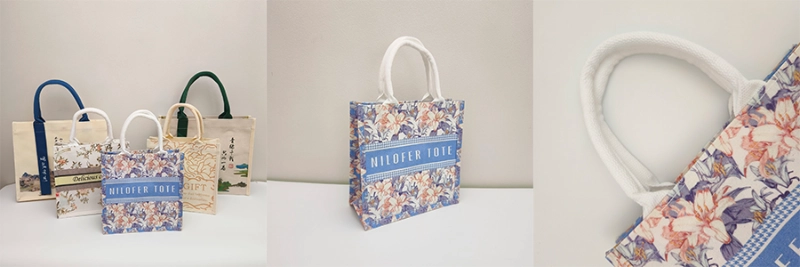
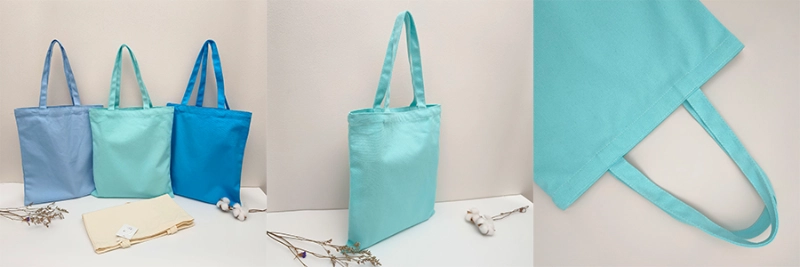
Cotton tote bags can be made from 100% pure cotton, polyester, or a cotton-polyester blend. Compared to canvas bags, cotton tote bags are softer and lighter, making them ideal for carrying lighter items.
Advantages:
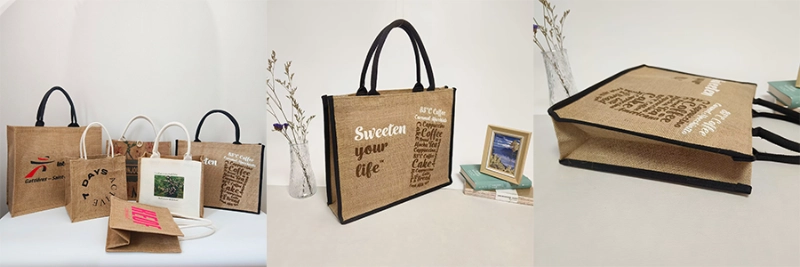
Jute tote bags are made from natural jute fibers, a plant-based material known for its coarse texture and earthy appearance. Derived from the stalks of the jute plant, this material is highly biodegradable and renewable, making it one of the most sustainable options available.
Advantages:
Recommended Improvements:
Advantages:
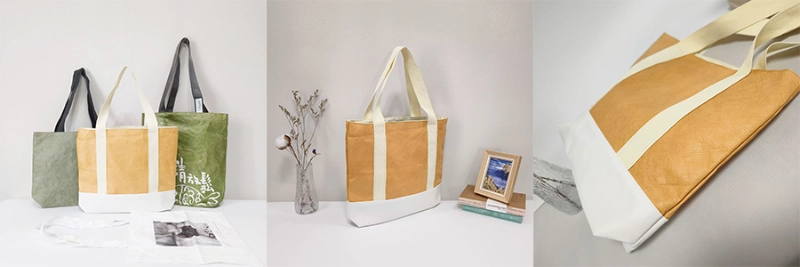
In 2025, tote bags continue to be essential accessories that blend style and functionality, with various materials and designs to suit all preferences. From the durable canvas tote bag to the soft cotton tote, the rustic jute tote, and the modern, waterproof Tyvek tote, each material offers unique benefits tailored to different needs and occasions.
Yanxin Bag offers a wide range of tote bags suitable for shopping, promotions, branding, and eco-friendly initiatives. With our customization services, you can select materials, colors, sizes, and printing options to create a tote bag that perfectly fits your brand identity.
Contact Yanxin Bag today for a free design consultation and samples—create personalized tote bags that leave a lasting impression!
Looking for a complete reference for designing and customizing canvas tote bags?
This pillar page serves as the core guide to canvas tote bags, covering materials, structure, printing, and branding insights, making it the essential resource for all canvas-related topics. 《The Ultimate Guide to Canvas Tote Bags》
Want to understand everything that makes a tote bag practical and versatile?
This comprehensive guide covers the history, structure, uses, and materials of tote bags, explaining how design and craftsmanship make them ideal for both personal and commercial use. 《What Is a Tote Bag? A Comprehensive Guides》
Trying to find the right material for a reusable bag that lasts?
This article examines common reusable bag materials, analyzing their texture, durability, and environmental impact, helping you identify which material best fits your sustainability and branding goals. 《What Are the Best Materials for Reusable Bags》
Not sure how to measure a tote bag correctly before ordering?
This guide explains how to measure the main parts of a tote bag — including body size and handle length — and clarifies how these dimensions affect carrying comfort, storage space, and design proportion. 《How to Measure a Tote Bag – Ultimate Guide》
Wondering why tote bags remain a timeless favorite?
This article explores why tote bags continue to dominate daily life, highlighting their practicality, material advantages, and eco-conscious appeal that connects fashion with sustainability. 《Pros and Cons of Tote Bags》
Get a free quote and expert consultation today. Let's bring your brand vision to life.
1 Learn about the benefits of reusable shopping bags for the environment and your shopping experience.
2 Learn about HDPE, its properties, and how it’s used in various industries, enhancing your understanding of this versatile material.
Note: Tyvek® and DuPont™ are trademarks or registered trademarks of Dupont or affiliated companies of DuPont.
Answer: Tote bags are typically made from materials such as canvas, cotton, jute, Tyvek, polyester, and nylon. Each material offers unique benefits in terms of durability, weight, and environmental impact.
Answer: Canvas tote bags are known for their durability and versatility. They are sturdy, capable of carrying heavy loads, and are ideal for long-term use with minimal wear and tear.
Answer: Jute tote bags are made from natural plant fibers, offering a rustic and eco-friendly alternative. They have a textured appearance and are commonly used for eco-conscious events and packaging.
Answer: Tyvek is a synthetic material made from high-density polyethylene fibers. It is lightweight, water-resistant, and durable, making it suitable for modern and creative tote bag designs.
Answer: Polyester and nylon are synthetic materials derived from petrochemicals. While they offer durability and water resistance, they are less eco-friendly compared to natural fibers like cotton or jute due to their production processes and non-biodegradable nature.
Answer: When selecting a tote bag, consider factors such as purpose (e.g., daily use, promotional branding, special events), material durability, sustainability, aesthetic appeal, and printability to ensure it aligns with your specific requirements.
Answer: Tote bags, especially those made from natural fibers like cotton and jute, are reusable and reduce the need for single-use plastic bags. This helps decrease plastic waste and environmental pollution. However, it’s important to use them multiple times to offset the environmental impact of their production.
Answer: Yes, tote bags can be easily customized with logos, slogans, or designs, making them popular choices for promotional items, corporate gifts, and event merchandise. Materials like canvas and cotton are particularly suitable for detailed prints.
Answer: Care instructions vary by material. For example, cotton and canvas bags can often be machine washed, while materials like leather or jute may require spot cleaning and air drying. Always refer to the manufacturer’s care guidelines to maintain your tote bag’s appearance and durability.

Order or no-order we are Always here to help you!
We will contact you within 1 working day, please pay attention to the email with the suffix “@yanxinbag.com”.
Order or no-order we are Always here to help you!
We will contact you within 1 working day, please pay attention to the email with the suffix “@yanxinbag.com”.