
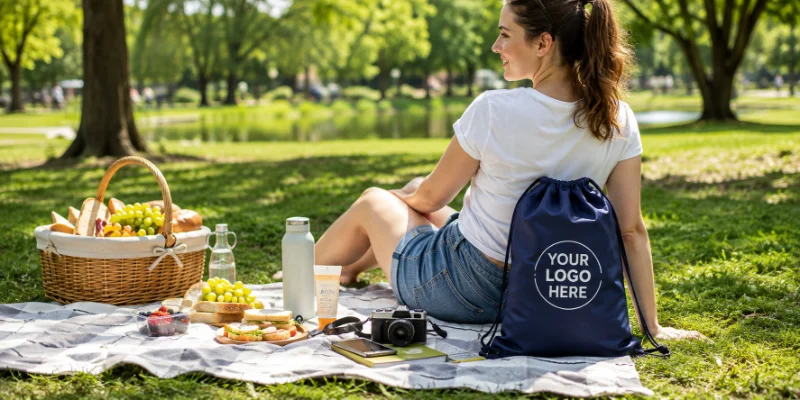
In the past, the main purpose of bags was to meet daily carrying needs. As lifestyles continue to change, consumers’ expectations for bags have also increased. In addition to capacity and durability, people are starting to pay attention to whether a product is easy to carry, suitable for different daily situations, and able to become part of everyday use over the long term.
Foldable bags have gained attention as a product developed from these changing needs. They combine the practicality of reusable bags with the portability of foldable design, allowing one bag to be used not only for shopping but also for travel, work, outdoor activities, and other situations.
Traditional shopping bags are usually carried only when people go shopping, but they can take up a lot of space when not in use. As a result, consumers often find it difficult to keep them with them all the time. When they actually need extra space for carrying items, they may not have a suitable bag prepared.
Foldable bags change this usage pattern through their compact storage design. They can be folded into a smaller size when not in use, making them easy to place in handbags, backpacks, car storage areas, or office spaces. They can also be quickly unfolded for temporary shopping, travel, or daily outings, giving users a backup carrying option whenever needed.
The key to reusable products is not only whether the product itself is environmentally friendly, but also whether consumers are willing to use it over the long term. Many reusable bags can reduce the use of single-use bags1, but if they are inconvenient to carry or take up too much storage space, users may not carry them frequently in daily life.
Foldable bags reduce storage burdens and make repeated use easier. Users can fold and store the bag when it is not needed and quickly take it out when needed. This easy carrying and storage feature increases the possibility of continued use and helps bring sustainable habits2 into everyday life.
Foldable bags can adapt to different daily activities, not because they are designed for only one specific purpose, but because they reduce the burden of carrying a spare bag. Since they take up less space when folded, users are more willing to keep them in backpacks, handbags, cars, or other everyday storage locations. When extra carrying space is needed, foldable bags can be quickly unfolded and used, allowing them to become part of more daily situations.
Common usage scenarios for foldable bags include:
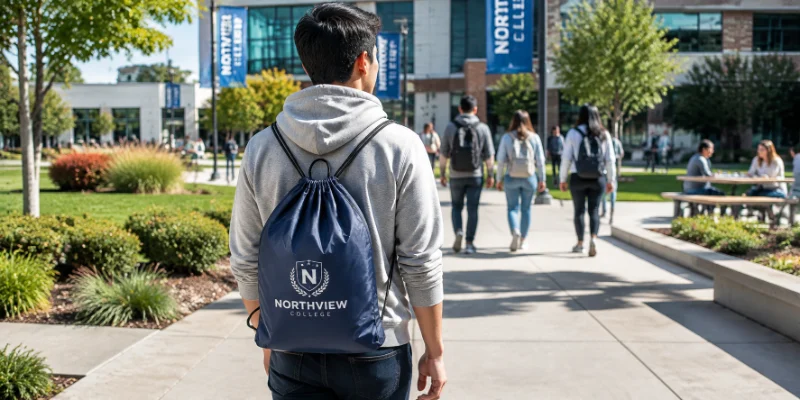
The focus of foldable bag design is not simply to pursue a lighter weight, but to find a suitable balance between storage convenience and performance. A bag that is too heavy may reduce users’ willingness to carry it, while a structure that is too lightweight may affect load capacity and long-term use experience.
Different types of foldable bags need to match different design requirements. For daily shopping use, the bag needs enough capacity and durability; for travel or outdoor use, lightweight features and easy storage are more important. Fabric weight, strength, handle design, and overall structure all affect the final user experience.
A well-designed foldable bag should be easy to carry after folding and maintain good capacity and load-bearing ability after unfolding, allowing users to continue using it in different situations.
Common customization options for foldable bags include size, material, color, logo, printing method, and storage structure. These factors affect the bag’s carrying convenience, durability, brand display effect, and final usage scenarios.
Event giveaways usually consider cost, lightweight features, and logo display area; retail use focuses more on repeated use experience and brand recognition; customer gifts usually require higher material quality and overall design standards. A suitable customization solution can improve product practicality and encourage users to carry and use the bag more often.
When foldable bags become common items in users’ daily lives, brand information can continue to appear through shopping, travel, commuting, and other usage scenarios, creating longer-term brand exposure.
The development of foldable bags reflects changes in modern consumers’ expectations for product functions. Users want a bag that is easy to carry while also meeting needs for daily use, repeated use, and different situations.
Product design needs to focus on these practical needs, including controlling weight, optimizing storage methods, ensuring capacity after unfolding, and improving overall user experience. Proper material selection and structural design allow foldable bags to maintain a balance between portability and practicality.
This combination of functionality and user habits allows foldable bags to be used for personal daily activities while also meeting different needs such as brand promotion, retail events, and corporate customization.
Get a free quote and expert consultation today. Let's bring your brand vision to life.
1 Life Cycle Initiative defines single-use plastic bags as plastic shopping bags designed for short-term use and assessed through life cycle analysis of their environmental impacts.
2 UNEP describes sustainable lifestyles as ways of living that encourage responsible choices, reduce waste and pollution, and conserve limited natural resources.
Answer: Foldable bags are becoming popular because they solve the problem of carrying a bag everywhere. Their compact design allows users to keep them nearby and use them whenever extra carrying space is needed.
Answer: Foldable bags make reusable habits easier by reducing storage and carrying difficulties. When a reusable bag is convenient to keep and carry, consumers are more likely to use it regularly.
Answer: Foldable bags can adapt to different situations because they take up little space when stored and can provide extra carrying capacity when needed. This allows them to fit into shopping, travel, work, and other daily activities.
Answer: Yes, well-designed foldable bags can handle everyday use when suitable materials and structures are selected. Fabric strength, stitching quality, and handle design all affect durability.
Answer: Foldable shopping bags have an advantage in portability because they can be stored in smaller spaces. Regular reusable bags may offer similar carrying functions, but foldable designs make them easier to keep available.
Answer: The folded size depends on the material, structure, and design of the bag. Many foldable bags are designed to fit into handbags, backpacks, drawers, or car storage areas.
Answer: The carrying ability of a foldable bag depends on its material strength, stitching, handle structure, and overall design. A properly designed bag can carry daily items while maintaining lightweight features.
Answer: Some foldable bags can provide water resistance depending on the fabric and surface treatment. Materials such as coated polyester or specially treated fabrics can improve protection against moisture.

Order or no-order we are Always here to help you!
We will contact you within 1 working day, please pay attention to the email with the suffix “@yanxinbag.com”.
Order or no-order we are Always here to help you!
We will contact you within 1 working day, please pay attention to the email with the suffix “@yanxinbag.com”.