
Our Academy
Reusable bags are becoming more common in brand campaigns, corporate gifts, and promotional projects. Choosing the right printing method is an important factor when sourcing them.
So, what is the best printing method for reusable bags? There isn’t a single method that works for all bags. The right technique usually depends on the logo’s complexity, the bag material, the number of colors, the budget, and the effect the brand wants to achieve. Simple logos usually work best with screen printing. Complex, full-color designs suit UV digital printing or heat transfer. Polyester bags often pair well with sublimation printing, while embroidery is ideal for simple designs where the brand wants a premium feel.
Now that we have a basic understanding of common printing methods for reusable bags, let’s take a closer look at which techniques suit specific bag types and design needs.
Screen printing is one of the most common methods for reusable bags, especially suited for single-color logos and simple designs. It works on almost all bag materials, including cotton, canvas, non-woven fabric1, nylon, and some polyester, making it widely used for corporate events, trade show giveaways, and large promotional projects.
Advantages of Screen Printing: The colors are consistent, and the printed design is durable, resisting wear and washing. For large-volume projects, overall costs remain stable, making it ideal for long-term production of simple logos.

Disadvantages of Screen Printing: If the logo has multiple colors, intricate details, or gradients, the production cost and difficulty increase. This method is therefore less suitable for very complex designs.
UV printing2 is ideal for colorful artwork, complex designs, and logos with fine details. It is especially suitable for full-print designs, multi-color graphics, and artwork with intricate details. Unlike traditional printing methods, it does not require printing plates and can print directly onto the bag surface. This makes it a good choice for brand projects with multiple design variations. It works on most materials, including cotton, canvas, nylon, and some polyester fabrics. However, standard non-woven bags are usually not suitable for UV digital printing.
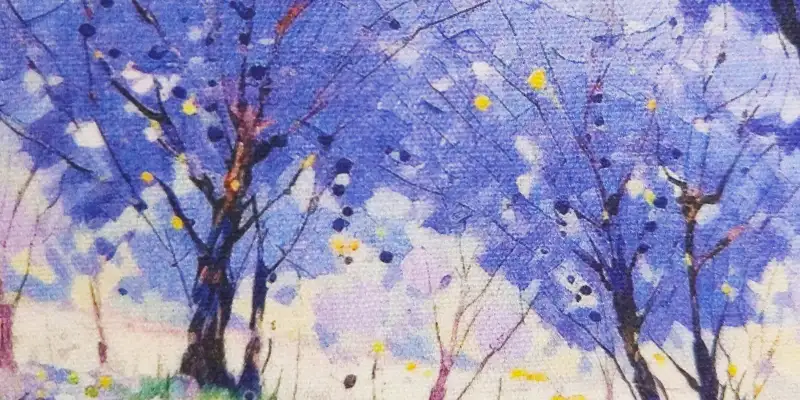
Advantages of UV Digital Printing: It can reproduce gradients, complex graphics, and fine details with excellent accuracy. It is particularly suitable for large designs, multi-color artwork, and full-print layouts. For projects that require the printed result to closely match the original design, UV digital printing often performs better than traditional screen printing.
Disadvantages of UV Digital Printing: The cost is slightly higher. In addition, printed colors may appear slightly darker than the original artwork. For large full-print designs with darker color tones, the final result may not be as vibrant as sublimation printing.
Heat transfer printing is commonly used for designs with multiple colors, complex artwork, or detailed graphics. It is especially suitable for logos that are relatively small in size but require high print quality. This method can accurately reproduce gradients, fine lines, and multi-color designs on the bag surface, making it a popular choice for corporate gifts, event giveaways, and branded promotional bags.
Advantages of Heat Transfer Printing: It can produce complex, full-color designs with a high level of detail. Since pricing is usually based on the actual print area, it is often more cost-effective than UV digital printing or sublimation printing when the printed design is relatively small.
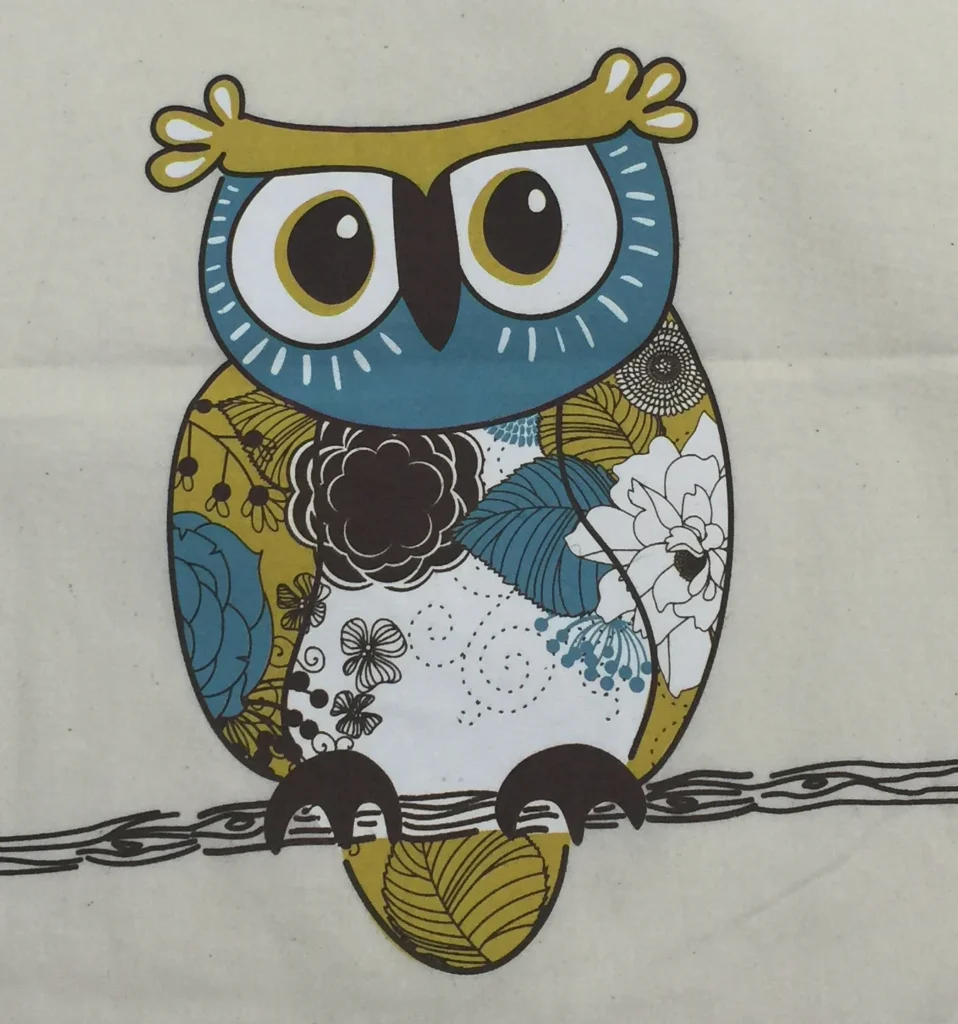
Disadvantages of Heat Transfer Printing: The printed area has a film-like layer on the surface. Overall durability is usually lower than screen printing, UV digital printing, or sublimation printing. It is also not the best choice for bags that need to be folded frequently, as repeated folding may cause the print to weaken or peel over time.
Sublimation printing is mainly used for polyester bags. It is especially suitable for full-print designs, colorful artwork, and graphics with rich visual details. The process uses heat to transfer ink directly into the fabric fibers, making it ideal for gradients, multi-color designs, and large printed areas. Compared with standard printing methods, sublimation printing usually delivers brighter colors and a more natural overall appearance.
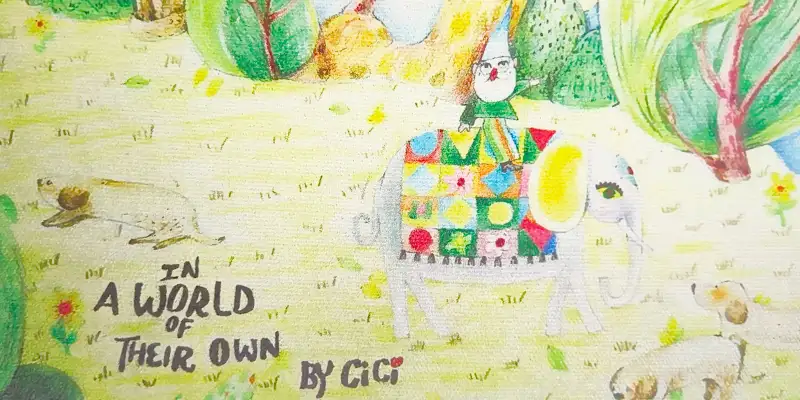
Advantages of Sublimation Printing: Colors are vibrant, the overall visual impact is strong, and the color fastness is excellent. It is particularly well suited for large full-print designs and colorful artwork.
Disadvantages of Sublimation Printing: It has stricter fabric requirements and is generally best suited for 100% polyester materials. When used on cotton fabrics, the print quality is usually less impressive, and the overall production cost can be significantly higher.
Embroidery creates designs by stitching threads directly onto the surface of the bag. This gives the logo a more three-dimensional appearance and provides greater durability than most printing methods. It works well on materials such as heavy canvas, cotton, nylon, and Oxford fabric. Among these, heavy canvas usually delivers the strongest premium look and texture. Compared with screen printing, embroidery is generally more resistant to wear and repeated washing, which is why many customers who prioritize quality and durability prefer it. In fact, some customers who test both screen-printed and embroidered samples often end up choosing embroidery.
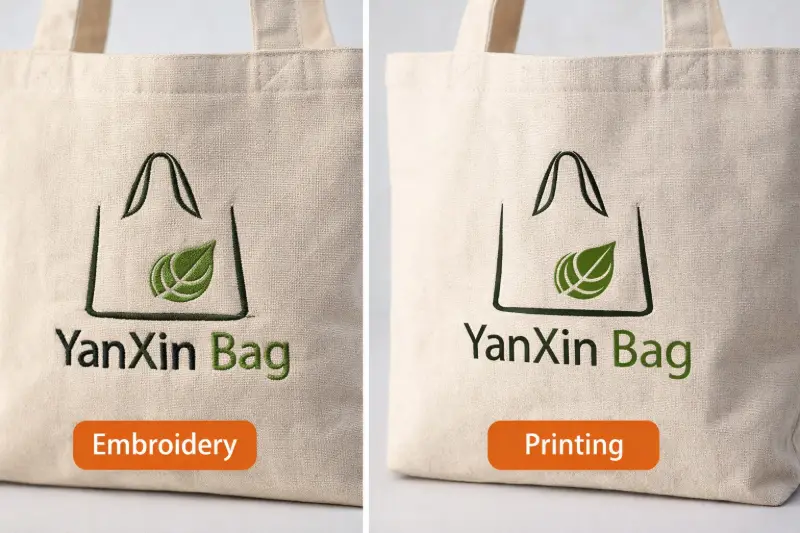
Advantages of Embroidery: It creates a stronger brand image and a more premium appearance. The design is highly durable and can maintain its quality even after long-term use. It is especially suitable for corporate gifts, premium projects, and brands with higher quality standards.
Disadvantages of Embroidery: It is not suitable for complex full-color artwork, gradient designs, or very small text. Production costs are also usually higher than those of standard printing methods.
When choosing a printing method for reusable bags, the logo design is usually the most important factor. Simple logos are generally best suited for screen printing. If greater durability and a more three-dimensional look are required, embroidery can also be a good option when the bag material is suitable.
If the logo contains multiple colors, complex graphics, or gradient effects, UV digital printing, heat transfer printing, or sublimation printing are usually better choices. Among these options, heat transfer printing is more suitable for smaller print areas that require high levels of detail. Both UV digital printing and sublimation printing work well for large designs, multi-color artwork, and full-print layouts. However, UV digital printing is compatible with a wider range of materials, while sublimation printing is generally limited to polyester fabrics and can produce more vibrant colors.
The bag material also plays an important role in selecting the right printing method. For example, embroidery is typically better suited for heavy canvas, cotton, nylon, and Oxford fabric. While some printing methods can technically be applied to different materials, unsuitable fabric choices may affect both the final appearance and durability.
In addition to the design and material, requirements for durability, visual impact, and budget can also influence the final decision. Some projects focus more on cost control, while others place greater importance on brand image and long-term performance. For this reason, there is no single printing method that is best for every reusable bag.
| Printing Method | Suitable Logo Type | Suitable Materials | Advantages | Disadvantages |
|---|---|---|---|---|
| Screen Printing | Simple logos | Most fabric materials | Strong color coverage and stable costs | Not suitable for complex multi-color designs or gradients |
| UV Digital Printing | Complex, multi-color, full-print, gradient designs | Most fabrics (except standard non-woven fabric) | Excellent detail reproduction, gradients, and large-area printing | Higher cost and slightly darker colors |
| Heat Transfer Printing | Complex, multi-color designs with smaller print areas | Most fabrics (PVC, TPU, and EVA are not suitable) | Good detail reproduction and cost-effective for smaller print areas | Leaves a film layer and is not ideal for frequently folded bags |
| Sublimation Printing | Complex, multi-color, full-print, gradient designs | Polyester fabrics | Vibrant colors and excellent full-print results | Higher material requirements and not suitable for non-polyester fabrics |
| Embroidery | Simple logos and premium branding | Heavy canvas, cotton, nylon, and Oxford fabric | Strong texture, durable, and long-lasting | Not suitable for complex full-color artwork or small text, and costs more |
Each printing method has its own strengths and is best suited for specific designs and materials. The key is to find the right balance based on the needs of your project.
Among the various printing methods used for reusable bags, embroidery is undoubtedly one of the most premium-looking options. By stitching thread directly onto the bag surface, embroidery creates a textured, three-dimensional design that stands out visually. Even after long-term use and repeated washing, the logo remains durable and intact, giving the bag a strong sense of quality and brand value.
High-quality screen printing on heavy canvas can also deliver an excellent premium appearance. Heavy canvas has a dense and sturdy structure, and when combined with precise screen printing, it produces sharp, vibrant graphics with a clean and refined look. This combination is often a popular choice for brands seeking a more upscale appearance.
Overall, both embroidery and high-quality screen printing can significantly enhance the look and feel of a reusable bag. They are commonly used for corporate gifts, brand campaigns, and premium custom projects where presentation and perceived quality matter.
There are many printing methods, and each technique works better with certain materials and designs. You don’t need to understand every method in detail. By simply sharing your logo, bag material, and the effect you want to achieve with your supplier, an experienced factory can usually recommend the most suitable printing method for your project and show you how each option will look in practice.
Get a free quote and expert consultation today. Let's bring your brand vision to life.
1 Wikipedia defines nonwoven fabric as a fabric-like material made from fibers bonded together by chemical, mechanical, heat, or solvent processes.
2 Kornit Digital describes how UV digital printing uses ultraviolet light exposure to trigger rapid ink curing and produce durable printed images.
Answer: The best printing method depends on the logo, bag material, colors, and desired effect. Simple logos suit screen printing, while complex designs may require UV digital printing, heat transfer, or sublimation. Embroidery is ideal for premium logos with a three-dimensional look.
Answer: UV digital printing works on most fabrics, including cotton, canvas, nylon, and some polyester. However, standard non-woven bags are usually not suitable for this method due to limited adhesion and print quality.
Answer: The most common printing method for reusable bags is screen printing. It is especially suitable for simple, single-color logos and works well on most materials like cotton, canvas, non-woven fabric, and nylon.
Answer: UV digital printing and sublimation are ideal for full-color, detailed, or gradient designs. UV printing works on a wide range of materials, while sublimation performs best on polyester for vibrant, long-lasting colors.
Answer: Embroidery gives reusable bags a premium and durable appearance. The stitched logo stands out with a three-dimensional effect and maintains its quality after repeated washing.
Answer: Small, intricate logos can benefit from heat transfer or embroidery, while large or full-cover logos are better suited for UV printing or sublimation for even color coverage.
Answer: Polyester fabrics are best for heat sublimation. They allow colors to appear vibrant and produce full-coverage
Answer: Canvas bags are generally not waterproof unless they have a special coating. They are durable and hold heavy items well but can absorb water if untreated.
Answer: Yes, heat transfer works well for small-area, detailed gradient logos. It allows accurate color reproduction, though large-area gradients are better suited for UV or sublimation.

Order or no-order we are Always here to help you!
We will contact you within 1 working day, please pay attention to the email with the suffix “@yanxinbag.com”.
Order or no-order we are Always here to help you!
We will contact you within 1 working day, please pay attention to the email with the suffix “@yanxinbag.com”.