
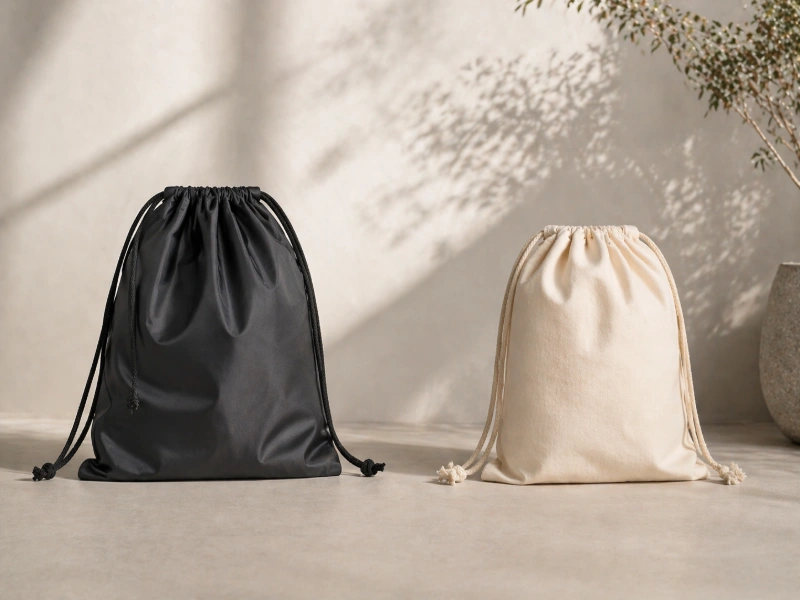
When choosing the material for shopping bags, many buyers face the same question: should they go with nylon or cotton? Each material has its own strengths and limitations in durability, environmental impact, user experience, and brand presentation. Simply listing the facts is not enough to guide purchasing decisions. Based on years of export experience, this article offers practical analysis and advice, looking at real usage, material performance, environmental impact, and customization needs to help you select the most suitable material for different types of bags.
When deciding between nylon and cotton for shopping bags, you need to consider performance, durability, environmental impact, and usage scenarios. In the following sections, we’ll analyze these factors to help you make the best choice for your purchases.
Appearance and feel are also important when choosing a material, as they directly affect the product’s style and the first impression for customers. Nylon is usually lighter and smoother, giving a functional and modern look, making it suitable for sports, outdoor, or practical-style bags. Cotton offers more thickness options, especially heavier fabrics like canvas, which feel more structured and have a natural texture with visible weave.
In practice, if the product emphasizes lightness, functionality, or foldable storage, nylon is a better choice. If texture, structure, or a more casual everyday style is important, cotton or canvas will achieve the desired effect more easily. When choosing, it helps to first define the style you want the product to convey, then select the material accordingly.
Durability and reusability mainly depend on the material structure and how the bag is used, not just the material itself. Nylon fibers are stronger, so they are less likely to tear under frequent use or heavy loads, making them suitable for backpacks, travel bags, and other functional bags. Cotton, on the other hand, varies by thickness. Thin cotton works well for lightweight use, while thicker cotton, like canvas, can also offer good durability for everyday use.
For bags that need to carry heavy loads or be used outdoors, nylon is a safer choice. For daily, lighter use, you can choose the cotton type based on its thickness. In short, nylon tends to be “light and strong,” while canvas leans toward “thick and sturdy,” and the choice should match the actual usage needs.
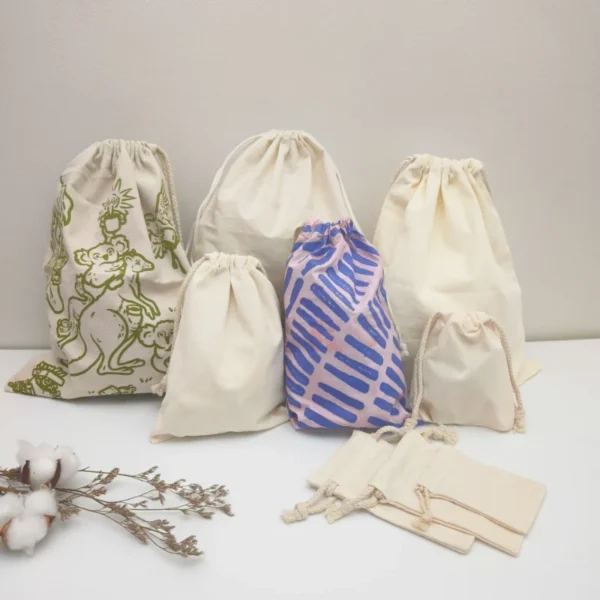
Environmental impact depends on the specific material structure, not just the name. Nylon is a synthetic fiber, non-biodegradable, and may release microplastics1 during use, but its longer lifespan makes it suitable for repeated, long-term use. Cotton also varies: pure cotton is a natural fiber and biodegradable, while some cotton fabrics are cotton-poly blends or fully polyester, making their environmental properties closer to synthetic fibers.
In practice, the key is matching the material to the intended use and composition. If the project has clear environmental requirements, choosing pure cotton is recommended.
The differences between nylon and cotton mainly show up in how the print looks and which processes work best. For full‑coverage prints2 on nylon, sublimation is usually the first choice, producing clear details and smooth color transitions with a more refined look. On cotton, the printing process depends on the fabric: pure cotton is often printed with UV, while blends with more polyester are better suited for sublimation. Sublimation generally gives brighter colors and sharper details compared to UV printing.
In terms of finished appearance, ordinary cotton and nylon perform similarly for most prints. But for thicker canvas above 16 oz, the rougher surface and stronger texture can reduce the detail clarity in full-coverage prints, making the result less sharp than on nylon. When designing, consider the complexity of the artwork. For highly detailed designs, nylon is more likely to deliver the expected outcome.
Cost and supply chain factors are best evaluated from an overall perspective rather than just comparing material prices. Both nylon and cotton have a wide range of thicknesses, and the actual price depends on weight and structure, so it’s hard to say definitively which is more expensive. Often, the material cost difference is minor.
The main differences come from shipping and storage. Nylon is lighter and compresses more easily, giving it an advantage for large orders or cross-border shipments. Cotton, especially heavy canvas, is heavier and bulkier, which can increase shipping and storage costs.
Nylon and cotton do not have an absolute advantage over each other. The key is the intended use and product positioning. Nylon works better for bags that need to be lightweight, durable, and easy to transport. Cotton, especially canvas, is better suited for products that emphasize texture and everyday use. When choosing, first consider the bag’s usage scenario, design style, and shipping requirements, then match the material accordingly. Rather than debating which material is “better,” focus on which one fits the specific project needs.
Get a free quote and expert consultation today. Let's bring your brand vision to life.
1 WWF identifies microplastics as tiny plastic particles resulting from the breakdown of larger plastic debris in oceans, soil, and the environment.
2 Wikipedia defines full-coverage prints as printing techniques where the design is applied across the entire surface of a textile.
Answer: Nylon usually produces sharper and more detailed full-coverage prints, often using sublimation. Cotton, depending on the type, may require UV printing for pure cotton or sublimation for cotton-poly blends, which can affect detail clarity.
Answer: Yes, nylon bags resist moisture and are less prone to tearing, making them more suitable for outdoor.
Answer: Pure cotton is biodegradable and renewable, but cotton-poly blends or fully synthetic cotton-like fabrics are closer to synthetic fibers in environmental impact.
Answer: Sublimation is ideal for nylon bags with detailed or full-coverage designs because it produces sharper lines and more uniform color transitions.
Answer: Yes, thicker cotton or canvas bags weigh more and take up more space, which can increase shipping and storage costs compared to lighter nylon bags.
Answer: Nylon’s high strength, lightweight nature, and resistance to wear make it ideal for travel bags that need to handle frequent use and heavy loads.
Answer: They can, but thick canvas above 16 oz may reduce fine detail clarity due to its rougher surface and stronger texture.

Order or no-order we are Always here to help you!
We will contact you within 1 working day, please pay attention to the email with the suffix “@yanxinbag.com”.
Order or no-order we are Always here to help you!
We will contact you within 1 working day, please pay attention to the email with the suffix “@yanxinbag.com”.