
Our Academy
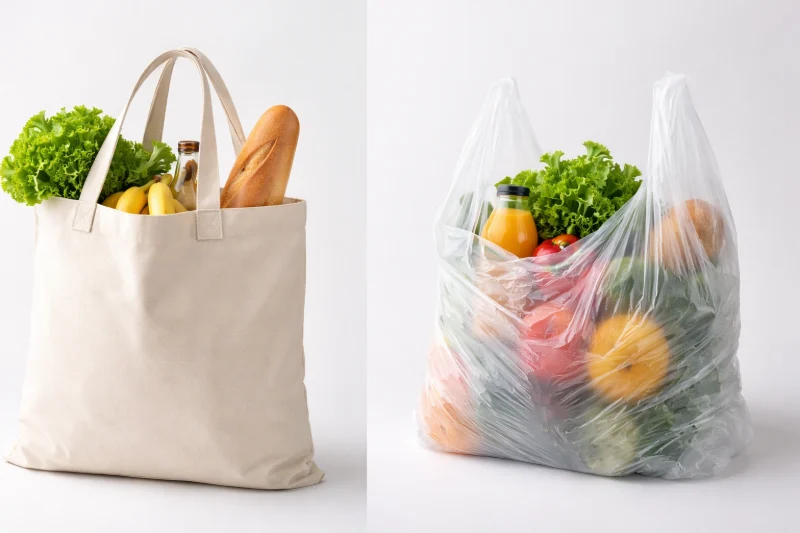
Shopping bags are something we use every day, but different materials can make a big difference in both user experience1 and environmental impact. Disposable plastic bags are still the top choice in many supermarkets and wet markets because they are lightweight, waterproof, and low in cost. Canvas tote bags, which can be used repeatedly, have also become more common in recent years, with many people appreciating their texture and durability.
When choosing shopping bags, whether for brands serving end consumers or for wholesalers and e-commerce sellers making bulk purchases, the evaluation typically comes down to a few key dimensions: material, durability, cost, environmental impact2, and the intended usage scenarios. Below we compare canvas tote bags and plastic bags from these angles to help you clearly see their respective strengths, weaknesses, and where each fits best.
Canvas Bags: Canvas Tote Bags consume water and energy during production, particularly for cotton, which requires significant resources for cultivation and processing. Multiple uses are needed to offset the environmental impact from production.
Plastic Bags: Plastic Bags require less energy to produce, but decompose slowly after use and may generate microplastics, causing long-term environmental impacts.
Practical Tips: Old bags can be repurposed, for example as shopping bags or liners, extending their life and reducing overall environmental impact.
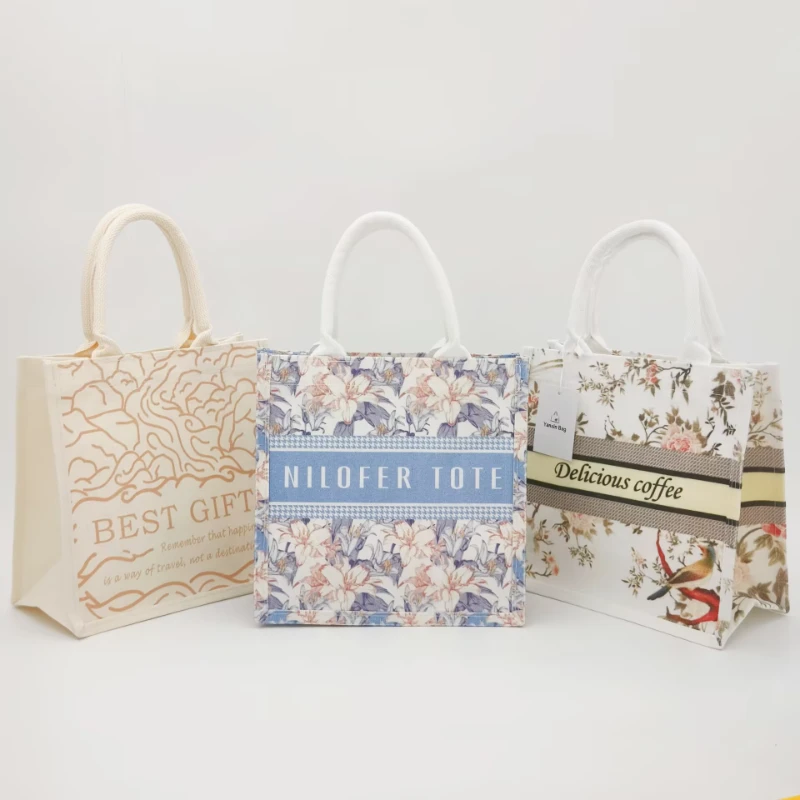
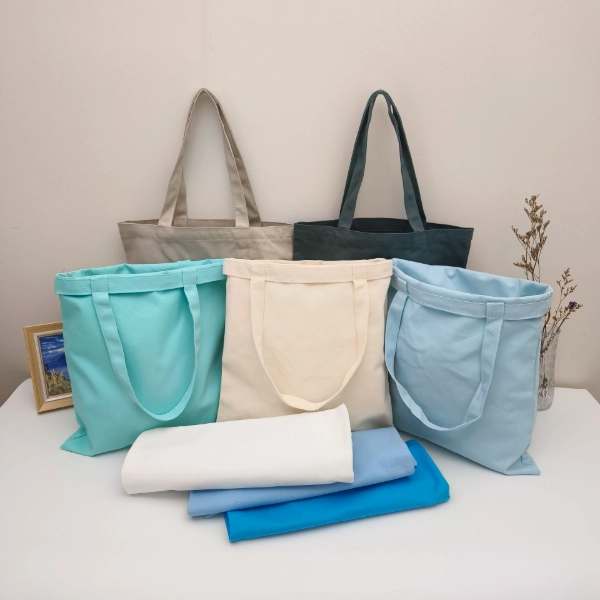
Business Value Tip: For export manufacturers and e-commerce sellers, canvas bags serve not only as product packaging but also as a branding tool, helping improve customer perception and repeat purchase potential.
Canvas Tote Bags and Plastic Bags each have their strengths. Canvas bags are suitable for long-term use and repeated use, while plastic bags are better for short-term or temporary purposes. Understanding their differences in material, durability, cost, and environmental impact helps businesses and buyers choose the most appropriate shopping bag, balancing environmental responsibility with business value.
Get a free quote and expert consultation today. Let's bring your brand vision to life.
1 In industry standards, user experience functions to measure satisfaction, efficiency, and emotional response during product use.
2 Academic research cited by Wikipedia notes that environmental impact drives long-term biodiversity loss and contributes to global ecological crises.
Answer: Canvas tote bags are usually made from cotton or a cotton-polyester blend. This combination provides durability and a stable structure for repeated use. It is a popular choice for reusable shopping bags.
Answer: Plastic bags are lightweight and convenient but have low durability and limited reuse potential. Canvas tote bags are stronger, resistant to tearing, and can be washed or repaired for long-term use.
Answer: Canvas tote bags require more water and energy to produce, especially with cotton materials, but repeated use reduces their overall environmental impact. Plastic bags have a lower production footprint but decompose slowly and can contribute to microplastic pollution.
Answer: Canvas beach bags are not recommended for wet items because they can stain and retain moisture. They are best used for dry beach gear like towels, sunscreen, and clothing.
Answer: Yes, canvas tote bags are ideal for groceries because they are sturdy and can carry heavy items like milk cartons and canned goods without tearing.
Answer: Plastic bags can sometimes be reused, but they typically last only a few trips before tearing or losing shape. Canvas bags offer significantly more reusability.
Answer: Canvas bags are more durable, reusable, environmentally friendly, and versatile. They can carry heavier loads and reduce reliance on single-use plastics.
Answer: Yes, canvas tote bags are sturdy, have structured bottoms, and longer handles, making them convenient for carrying books, laptops, or daily essentials.
Answer: Canvas tote bags are more expensive initially but cheaper per use over time due to repeated use. Plastic bags are cheap upfront but accumulate higher costs if used frequently.
Answer: Yes, plastic bags can be convenient for unexpected shopping trips or for separating produce, offering short-term convenience despite their environmental impact.

Order or no-order we are Always here to help you!
We will contact you within 1 working day, please pay attention to the email with the suffix “@yanxinbag.com”.
Order or no-order we are Always here to help you!
We will contact you within 1 working day, please pay attention to the email with the suffix “@yanxinbag.com”.