
Our Academy
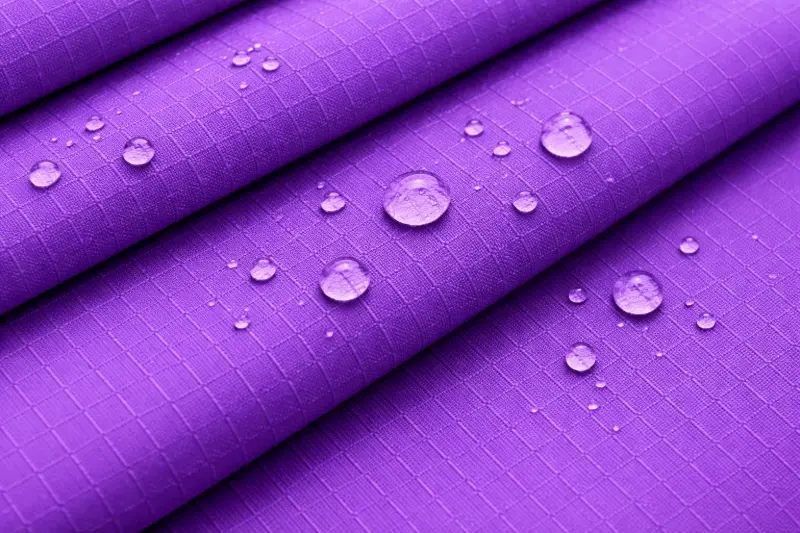
As demand for outdoor use, e-commerce logistics, and daily carry continues to grow, brands and buyers are placing greater emphasis on durability and functionality in bags. Nylon bags are widely used for backpacks, travel bags, and performance-oriented products because they are lightweight, strong, and water-resistant. A common question for buyers is: what exactly is nylon fabric1, and why is it better suited for these higher-performance bag applications.
Nylon is a synthetic fiber2 made from petroleum-based materials and is widely used in bags that require durability and strength. It can be made into different fabric structures, such as lightweight nylon, ripstop nylon, and Oxford nylon, covering applications from foldable bags to heavy-duty backpacks.
The advantages of nylon bags are mainly reflected in their strength and stability in use, especially in scenarios that involve repeated use or carrying heavier items. Compared to lighter or short-term use bags, nylon is more suitable for projects that require durability.
Thin nylon fabrics are lightweight and compact, making bags easy to fold and carry. They are commonly used for foldable shopping bags and drawstring bags, offering flexibility for everyday use.
Nylon bags generally offer higher strength compared to polyester, making them more suitable for products that require durability. The fibers are stronger, so the bag is less likely to tear and can maintain its shape even with repeated use or heavier loads. In higher-demand scenarios such as outdoor use, luggage, or tool bags, this durability becomes more noticeable.
Nylon fabric has water-repellent properties that help protect against light rain or small spills. For higher protection, PU or PVC coatings are often added to improve water resistance and make the bag suitable for more demanding conditions.
Nylon bags offer strong load capacity and are less likely to deform or sag when carrying heavier items. Compared to some materials that may stretch or lose structure under load, nylon maintains a more stable shape. This makes it more reliable in situations where the bag needs to carry heavier or bulkier contents.
Nylon is well suited for outdoor use because it maintains stable performance under different conditions. It is less affected by repeated folding, stress, or environmental changes during use. Compared to materials such as non woven fabrics or cotton, which are more commonly used for everyday applications, nylon offers a better balance of strength, light weight, and protection, making it a common choice for more functional bags.
The disadvantages of nylon bags mainly relate to cost, breathability, and environmental considerations, which should be evaluated based on specific usage needs.
Nylon bags generally cost more than polyester, especially when comparing similar fabric weights or specifications. This can increase overall costs in large-volume or budget-sensitive projects. In such cases, polyester is often chosen as a more cost-effective alternative.
Nylon bags have relatively low breathability and are not suitable for storing damp items or contents that require ventilation for long periods. The fabric structure is dense, which limits airflow and can trap moisture. In applications where breathability is important, materials such as mesh or cotton are usually preferred.
Nylon bags have relatively lower environmental performance. As a petroleum-based material, they are not naturally biodegradable and are less eco-friendly compared to natural fibers. However, when used repeatedly, they can help reduce the consumption of single-use bags. The choice depends on the brand’s environmental positioning and application needs.
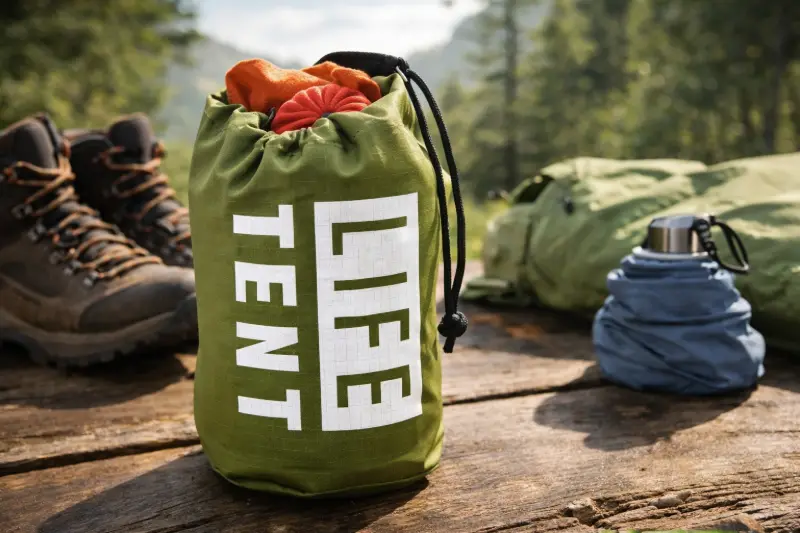
Nylon can be made into different fabric structures, which vary in structure and weight and affect how they are used in bags. In the bag industry, the most common types include lightweight nylon, ripstop nylon, and Oxford nylon, each suited for different bag requirements.
Nylon taffeta is a lightweight nylon fabric with a smooth surface and no visible texture or grid pattern. Its key feature is that it is light and easy to fold, allowing the bag to be packed into a compact size. It is commonly used for foldable shopping bags and drawstring bags.
Ripstop nylon is a type of nylon fabric with a visible grid pattern created by reinforced threads woven into the material. Its key feature is that it helps prevent tears from spreading, so damage is less likely to expand once it occurs. It is commonly used in bags that need a balance of light weight and durability, such as lightweight backpacks or outdoor bags.
Nylon Oxford is a nylon fabric with a visible texture, created using the Oxford weave to form a tight and stable structure. Its key feature is that it is thicker and more durable, allowing it to handle heavier loads and long-term use. It is commonly used in bags that require higher strength, such as backpacks, tool bags, or bags used frequently in daily situations.
After understanding the different types of nylon fabrics, it becomes easier to compare their differences in thickness, key features, and typical uses. The table below provides a quick reference to help with material selection.
| Type | Thickness | Key Feature | Typical Use |
|---|---|---|---|
| Nylon Taffeta | Thin | Easy to fold | Foldable bags, drawstring bags |
| Ripstop Nylon | Lightweight with structure | Tear-resistant | Lightweight durable bags, outdoor use |
| Nylon Oxford | Medium to heavy | Strong and structured | Backpacks, tool bags |
Overall, the main differences between these nylon fabrics lie in their thickness and structure, which determine how they are used. Lightweight nylon is better for portable bags, ripstop nylon improves durability while remaining relatively light, and Oxford nylon is more suitable for bags that require strength and load capacity. In practice, the choice depends on the intended use of the bag.
Nylon bags focus more on strength and performance, while polyester is more oriented toward lightweight use and cost control. Nylon is better suited for bags that require durability and some level of protection, such as outdoor or high-frequency use, whereas polyester is commonly used for foldable bags and promotional projects. For purchasing decisions, nylon is a better choice when durability and performance are priorities, while polyester is more suitable when cost, weight, and large-volume distribution are the main concerns.
Nylon bags are widely used across different applications due to their balance of strength and lightweight performance. Depending on the fabric type and thickness, they can meet needs ranging from portable use to heavy-duty applications, which explains their wide adoption in the bag industry.

Nylon foldable bags are designed for portability and easy storage, usually made from thin nylon fabrics such as nylon taffeta. They can be folded into compact sizes for convenient carrying, suitable for daily shopping, supermarket use, or as backup bags. These are typical lightweight nylon bags.
Nylon backpacks focus on load-bearing and durability, often made with medium to heavy-weight nylon fabrics like nylon Oxford. They remain stable over long-term use and are resistant to deformation or wear. They are suitable for daily commuting, student use, or other high-frequency scenarios, representing durable nylon bags.
Nylon outdoor bags balance lightness and durability, often used for outdoor activities or sports scenarios. Fabrics are typically ripstop nylon or medium-weight nylon, providing tear resistance while keeping the bag relatively light, ensuring reliability under demanding conditions.
Nylon travel or duffel bags are used for short trips or storage, requiring both capacity and structural stability. Medium to heavy-weight nylon fabrics are often selected to maintain shape when carrying larger loads, ensuring durability and long service life.
Nylon tool bags are designed for carrying tools or heavier items, with higher strength and load capacity requirements. Thicker nylon fabrics are typically used to provide support, keeping the bag stable and preventing deformation or damage under heavy use.
In practice, the sustainability of nylon bags depends more on how they are used. Compared to single-use bags, they are designed for repeated use, which can help reduce overall consumption over time. In purchasing decisions, it is often a balance between durability, lifespan, and sustainability goals.
If your project prioritizes strength, durability, and stable performance across different conditions, nylon is a more suitable choice, especially for backpacks, outdoor bags, and high-frequency use products. If the focus is more on cost control or large-volume distribution, such as promotional bags or some foldable shopping bag projects, other more economical materials may also be considered. In practice, the key is to match the material to the intended use and budget rather than choosing based on the material alone.
Get a free quote and expert consultation today. Let's bring your brand vision to life.
1 Textile Exchange identifies nylon fabric as a group of polyamide fibers that are thermoplastic polymers widely used in the textile industry.
2 In industry standards, synthetic fiber functions as a manufactured material category used in products requiring controlled strength, durability, and consistency.
Answer: Nylon fabric is used for bags that require durability, strength, and light weight. It is commonly applied to backpacks, travel bags, outdoor bags, and tool bags. Its performance characteristics make it suitable for both daily use and outdoor activities.
Answer: Nylon maintains stable performance under different conditions and offers tear resistance and durability. These properties make it ideal for outdoor use where bags are exposed to stress, weather, and frequent movement.
Answer: The most common types are lightweight nylon (Nylon Taffeta), ripstop nylon, and Oxford nylon. Each type differs in thickness and structure, making them suitable for foldable bags, outdoor bags, or backpacks depending on the application.
Answer: Nylon bags generally offer higher durability than polyester, with stronger fibers that resist tearing and deformation. This makes them more suitable for high-stress or frequently used bags.
Answer: Nylon bags have basic water-repellent properties, and additional PU or PVC coatings can be applied for higher water resistance. This helps protect contents from light rain or spills.
Answer: Yes, nylon bags have strong load-bearing capacity. Thicker or Oxford nylon fabrics help maintain shape and stability even when carrying heavier items.
Answer: Nylon emphasizes strength and performance, while polyester focuses on lightweight use and cost efficiency. Nylon is better for outdoor or high-frequency use, whereas polyester is more suitable for foldable or promotional bags.
Answer: Yes, nylon foldable bags made from thin fabrics like Nylon Taffeta are lightweight and compact, ideal for daily shopping or as backup bags.
Answer: Yes, ripstop nylon includes reinforced threads in a grid pattern that prevent tears from spreading. It is ideal for outdoor bags where durability and tear resistance are important.
Answer: Some types of nylon, like Nylon 6, can be recycled, but it requires specialized facilities. Nylon is not biodegradable, so proper recycling helps reduce environmental impact.

Order or no-order we are Always here to help you!
We will contact you within 1 working day, please pay attention to the email with the suffix “@yanxinbag.com”.
Order or no-order we are Always here to help you!
We will contact you within 1 working day, please pay attention to the email with the suffix “@yanxinbag.com”.