
Our Academy
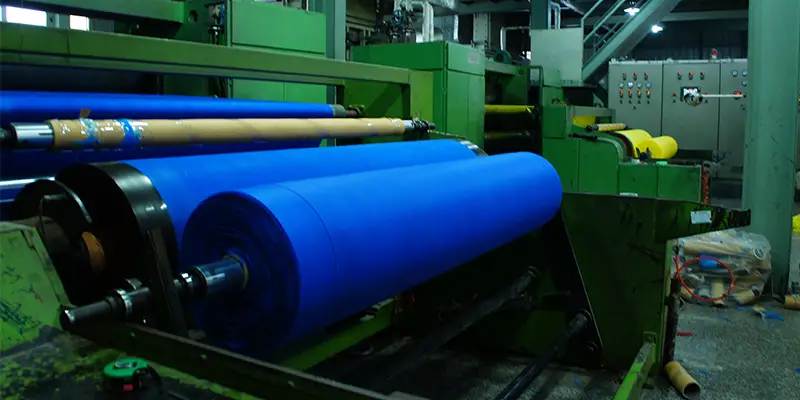
As more countries introduce restrictions on single-use plastic bags, many retailers and brands are looking for alternative shopping bag solutions. Among the available options, non woven shopping bags have become increasingly common because they are lightweight, relatively cost-effective, and can be reused in everyday shopping. For many buyers, a common question remains: what exactly is non woven fabric, and why is it widely used for reusable shopping bags.
Nonwoven fabric1 is a material formed by bonding fibers together without traditional weaving or knitting. The fibers are consolidated through mechanical, thermal, or chemical bonding methods to create a stable sheet-like structure. Because the fibers are not interlaced through warp and weft yarns like conventional textiles, the material is known as non woven fabric.
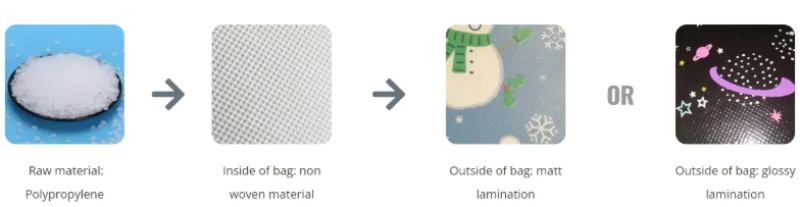
Non woven fabric can be produced from a variety of fiber materials, and the raw material largely determines the fabric’s strength, softness, and application. The most commonly used material is polypropylene (PP) because it is lightweight, cost-efficient, and resistant to moisture, making it widely used for shopping bags and packaging products. In addition to PP, some non woven fabrics are also made from materials such as PET, recycled RPET, or PLA, which are typically used in industrial, environmental, or specialty applications.
Nonwoven fabrics can be produced through several different manufacturing processes, and each process creates materials with different structures and properties. Some of the most common methods include spunbond nonwoven fabric, meltblown nonwoven fabric, needle-punched nonwoven fabric, and spunlace (hydroentangled) nonwoven fabric etc… These materials are typically used in different industries such as filtration, medical products, cleaning materials, or industrial applications, which means nonwoven fabric actually represents a broad category of materials rather than a single structure.
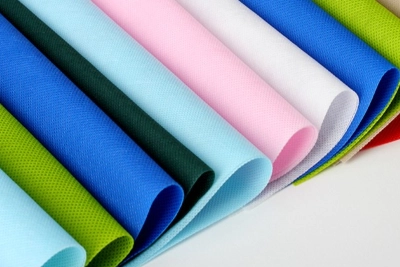
Among the different types of nonwoven structures, PP spunbond nonwoven fabric is the material most commonly used in the shopping bag industry. It is made from polypropylene fibers bonded through the spunbond process, creating a stable and lightweight fabric structure. For many brands and buyers, this material offers a practical balance between durability, weight, and cost, which is why it is widely used for promotional bags, branded shopping bags, and event bags.
The spunbond process creates a continuous fiber network that allows the material to handle the typical weight of everyday use without tearing easily. This is one of the reasons many brands choose it for reusable shopping bags.
Polypropylene has a relatively low density, which keeps the finished bag lightweight and easy to carry. This is particularly useful for large-scale promotional events or exhibitions where bags are distributed in large quantities.
The surface of spunbond nonwoven fabric works well with printing methods such as screen printing, heat transfer printing, or lamination, allowing clear brand logos and graphic designs.
For brands or organizations that need large quantities of shopping bags, PP nonwoven fabric helps maintain reasonable costs while still providing sufficient durability.
Nonwoven shopping bags can be reused many times for daily activities such as shopping or carrying items, making them more practical than single-use plastic bags.
Polypropylene is a recyclable plastic material and can be processed again in appropriate recycling systems.
Standard non woven bags are typically made from a single layer of PP spunbond nonwoven fabric. The structure is simple and lightweight, which makes these bags common for everyday shopping bags and promotional use. Logos and simple designs are usually printed using screen printing or heat transfer printing, making them suitable for trade shows, brand promotions, and marketing events.
Laminated non woven bags are produced by laminating a BOPP film2 onto the surface of the nonwoven fabric. The graphics are usually printed on the BOPP film using gravure printing before the lamination process. This structure improves water resistance and allows brighter, more detailed full-color printing, which is why laminated non woven bags are commonly used for retail shopping bags, promotional gift bags, and branded packaging.
Because non woven bags are lightweight, reusable, and easy to customize, they are widely used in various commercial and organizational scenarios. Some of the most common applications include:
Brands often print their logos on non woven bags and distribute them during marketing campaigns, allowing the brand to remain visible during everyday use.
At exhibitions or conferences, non woven bags are used to carry brochures and samples, making it easier for visitors to collect and carry materials.
Some brands use non woven bags as packaging for clothing or accessories, providing practical packaging while improving brand presentation.
Companies, schools, and training centers often customize non woven bags for events or giveaways, creating a practical item that also reinforces their identity.
Non woven shopping bags are often considered a more environmentally friendly packaging option, but this should be understood in the context of how they are used. Most non woven bags are made from polypropylene (PP), which is not a naturally biodegradable material and does not break down quickly in the environment like paper or natural fibers. However, non woven bags are designed to be reused multiple times, which helps reduce the consumption of single-use plastic bags.
In addition, polypropylene is a recyclable material that can be processed and reused in appropriate recycling systems to produce new plastic products. Compared with disposable plastic bags, non woven shopping bags generally have a longer service life, which is why many countries consider them a more sustainable shopping bag solution. Because they can be reused and recycled, non woven bags have become a widely accepted alternative to single-use plastic packaging.
If a brand or business is looking for a lightweight and customizable bag that works well for large quantities, non woven shopping bags are often a practical option. In scenarios such as promotional events, trade shows, or product packaging, these bags can function both as a useful carrier and as a long-term display of a brand’s logo.
Although PP non woven fabric is not naturally biodegradable, the bags can be reused multiple times and recycled in appropriate systems. For businesses that want to balance cost, practicality, and brand visibility, non woven shopping bags remain a widely used alternative to single-use plastic bags.
Get a free quote and expert consultation today. Let's bring your brand vision to life.
1 Wikipedia identifies nonwoven fabric as a fabric-like material formed by bonding staple fibers or continuous filaments through mechanical, thermal, chemical, or solvent processes rather than weaving or knitting.
2 In industry standards, BOPP film functions as a packaging film material widely used in laminated structures for retail packaging, labels, and flexible packaging applications.
Answer: Non woven fabric is a textile material made by bonding fibers together without traditional weaving or knitting. Instead of interlacing yarns, the fibers are connected through mechanical, thermal, or chemical processes to form a fabric sheet. This structure makes non woven fabric lightweight, cost-efficient, and suitable for applications such as reusable shopping bags, medical products, filtration materials, and packaging.
Answer: The most common material used to produce non woven fabric is polypropylene (PP), which is lightweight, moisture-resistant, and cost-effective. Other materials include polyester (PET), recycled RPET fibers, and biodegradable options such as PLA. The choice of raw material affects the strength, softness, durability, and environmental properties of the final non woven fabric product.
Answer: PP spunbond nonwoven fabric is widely used for reusable shopping bags because it offers a balanced combination of strength, light weight, and cost efficiency. The spunbond process forms continuous polypropylene fibers that create a durable yet flexible fabric structure. This makes the material suitable for promotional bags, branded shopping bags, and eco-friendly reusable bags.
Answer: Non woven fabrics are manufactured by forming fibers into a web and bonding them together using mechanical, thermal, or chemical processes. Common production methods include spunbond, meltblown, needle-punched, and spunlace technologies. Each manufacturing method creates non woven fabrics with different textures, strengths, and applications.
Answer: Non woven shopping bags are considered more environmentally friendly than single-use plastic bags because they can be reused many times. Most non woven bags are made from polypropylene (PP), which is recyclable in appropriate recycling systems. Although PP is not naturally biodegradable, repeated use reduces plastic waste compared with disposable plastic bags.
Answer: The main types of non woven fabric manufacturing methods include spunbond, meltblown, needle-punched, spunlace (hydroentangled), air-laid, and wet-laid processes. Each method produces fabrics with different fiber structures, thickness, breathability, and strength depending on the intended industrial or commercial application.
Answer: Spunbond nonwoven fabric is made from continuous fibers that provide strength and durability, making it suitable for products such as reusable bags and agricultural fabrics. Meltblown nonwoven fabric uses microfibers created by high-velocity air, producing a very fine fiber structure commonly used in filtration materials and medical masks.
Answer: Most polypropylene non woven fabrics are naturally water resistant because PP fibers do not easily absorb moisture. However, standard non woven bags are not fully waterproof unless they are laminated with a BOPP film or other protective coating.
Answer: Non woven bags are widely used in retail stores, supermarkets, trade shows, corporate events, promotional marketing campaigns, and product packaging industries. Many brands use customized non woven bags with printed logos to increase brand visibility and reduce single-use plastic packaging.
Answer: Yes, most non woven fabrics made from polypropylene (PP) can be recycled. The material can be melted and processed into new plastic products when collected through appropriate recycling systems. However, recycling availability may vary depending on local recycling facilities.

Order or no-order we are Always here to help you!
We will contact you within 1 working day, please pay attention to the email with the suffix “@yanxinbag.com”.
Order or no-order we are Always here to help you!
We will contact you within 1 working day, please pay attention to the email with the suffix “@yanxinbag.com”.