
Our Academy
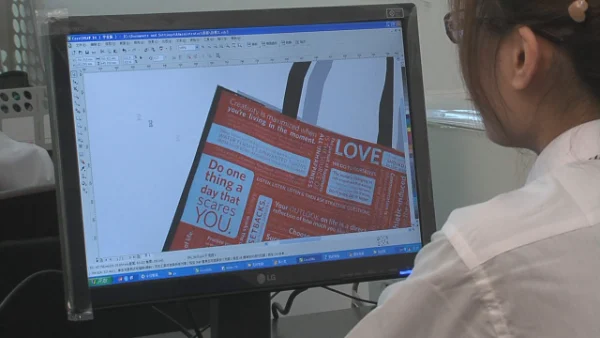
As sustainable packaging becomes increasingly important, many brands are starting to use RPET laminated bags for retail shopping bags and promotional packaging. These bags are made from recycled plastic bottles and feature a laminated structure that improves durability and water resistance, making them widely used in many retail and promotional projects.
However, different projects often require different bag sizes, material thicknesses, printing methods, and structural designs. Understanding how to choose the right RPET laminated bag can help brands make better decisions during the customization process, from selecting the appropriate materials to determining the most suitable bag structure and printing approach.
Before choosing an RPET laminated bag, it is important to clearly define how the bag will be used. Different applications can influence factors such as bag size, handle structure, material thickness, and printing design. For example, bags intended for retail shopping usually require larger capacity and a more stable structure, while promotional bags used at events or exhibitions often focus more on printing and brand visibility. If the bag is used as product packaging, additional features such as zippers or closures may also be considered. Identifying the usage scenario in advance helps brands choose a more suitable size, structure, and design during the customization process.
The size and capacity of an RPET laminated bag should be selected based on the specific project requirements. Different brands may need bags that carry products of varying sizes and weights, so factors such as product dimensions, load capacity1, and overall bag capacity should be considered during the design process. For example, bags used for everyday retail shopping typically require a moderate capacity, while large grocery bags often need more space and a more stable structure. Trade show bags are usually designed to accommodate brochures, catalogs, or documents. It is also important to note that larger bags generally require thicker materials and reinforced handles to maintain durability during repeated use.
The material thickness of an RPET laminated bag affects its strength, load capacity, and overall cost. When customizing these bags, the appropriate fabric weight is usually selected based on how frequently the bag will be used and how much weight it needs to carry.
For most retail projects, RPET laminated bags are typically produced with fabric weights between 130 gsm and 160 gsm. 130 gsm and 140 gsm being the most widely used options. Among them, 130 gsm is often considered a cost-effective choice that works well for most retail shopping bags and promotional bags.
160 gsm fabric is thicker and stronger, making it suitable for projects that require higher load capacity or enhanced durability. In some designs, 160 gsm is also used for double-side laminated bags, which provide a more stable structure and a more premium appearance.


RPET laminated bags are typically available with different surface finishes, with glossy lamination and matte lamination being the most common options. The lamination finish influences the overall appearance of the bag and how brand graphics are presented, so the choice is usually based on the brand’s visual style.
Glossy lamination creates a smooth and shiny surface, allowing printed colors to appear brighter and more vibrant. This finish is often used for promotional bags or designs that require strong visual impact, such as trade show bags or marketing giveaways.
Matte lamination, on the other hand, produces a softer and more understated appearance that often gives the bag a more refined look. In many projects, clients tend to choose matte lamination when producing RPET laminated bags.
RPET laminated bags support full-color printing, making them suitable for large graphics and brand logos. The laminated surface allows graphics and colors to appear clear and vibrant. In many retail and promotional projects, brands often print large graphics, logos, or full design layouts on the outer side of the bag, allowing it to function as a mobile branding tool during everyday use.
In terms of printing structure, RPET laminated bags can usually be produced with single-side printing or double-side printing. In this context, single-side printing typically refers to full printing on the outer surface of the bag, which is the most common design. Double-side printing, on the other hand, means that after the outer side is printed, the inside of the bag is also printed.
In practical production, the outer side usually features full-color printing2, while the interior treatment can vary depending on the project. Some designs use a solid single-color background printing inside the bag, while others include a simple single-color logo on the interior. In some cases, the inside is laminated without printing, which makes the bag easier to clean during everyday use.
RPET laminated bags can be designed in different bag structures depending on the intended application. Each structure offers different advantages in terms of capacity, carrying style, and usage scenario, so choosing the right structure is an important step during the customization process.
Tote bags are the most common structure for RPET laminated bags. They typically feature an open top and two handles, making them easy to use for everyday shopping. Because of their simple and practical design, tote bags are widely used for retail shopping bags and promotional bags.
This structure features a wider bottom and side panels, providing larger capacity and better stability. Because of their strong load capacity, these bags are commonly used as supermarket grocery bags or large retail shopping bags.
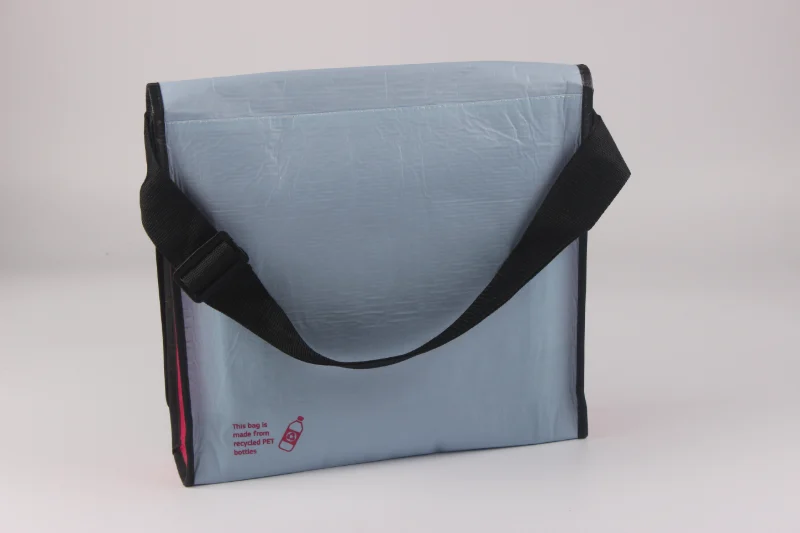
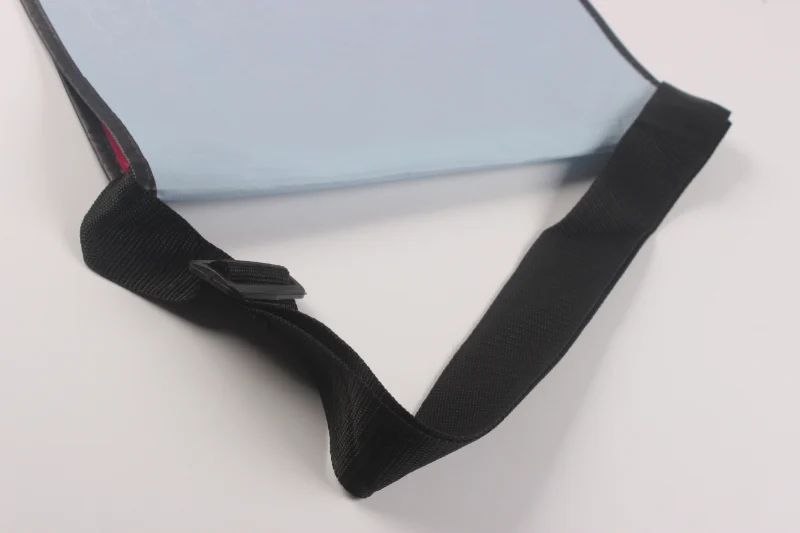
Shoulder bags are designed with longer straps so they can be carried comfortably on the shoulder. This style is often used for trade shows, brand events, or promotional activities where people need to carry brochures or promotional materials.
For applications that require better storage, RPET laminated bags can include zipper closures. Zippers help protect the contents inside the bag and improve overall functionality, making them suitable for storage bags or product packaging.
By adding insulation layers inside the bag, RPET laminated bags can also be produced as cooler bags. These bags are commonly used for food delivery, refrigerated items, or outdoor activities.
After determining the bag size, material thickness, structure, and printing design, the final step is selecting a reliable supplier. A professional manufacturer can help ensure product quality while also providing practical suggestions during the design and production process.
When evaluating an RPET laminated bag supplier, it is helpful to consider factors such as manufacturing experience, quality control procedures, and communication efficiency. Experienced manufacturers are usually more familiar with different project requirements and can maintain more stable execution during sampling and production.
For projects that involve custom shopping bags or promotional bags, working with a supplier that has clear communication and mature production processes can make the entire customization process smoother.
Choosing the right RPET laminated bag for a brand project is usually not a single decision but a process that involves several considerations. Factors such as usage scenario, bag size, material thickness, lamination finish, printing design, and bag structure all influence the final result.
Clarifying these factors at the beginning of the project helps brands identify the most suitable design solution while also making the sampling and production process more efficient.
If you are planning a custom RPET laminated bag project, discussing your requirements with an experienced manufacturer early in the process can help you find the most appropriate solution for your brand.
Get a free quote and expert consultation today. Let's bring your brand vision to life.
1 As summarized by Wikipedia, container capacity includes the measurable internal volume that determines how much substance a container can contain.
2 In industry standards, the CMYK color model functions as the fundamental color reproduction system for full-color printing in packaging and commercial printing processes.
Answer: An RPET laminated bag is a reusable shopping bag made from recycled polyethylene terephthalate (RPET), which is produced from recycled plastic bottles. The RPET fabric is combined with a laminated film layer, usually BOPP, to improve water resistance, durability, and printing quality. These bags are widely used as retail shopping bags, promotional bags, and sustainable packaging solutions.
Answer: RPET laminated bags are typically made from two main components: RPET fabric and a laminated film layer. The RPET fabric is produced from recycled plastic bottles that are processed into polyester fibers, while the lamination layer—often BOPP film—improves moisture resistance, structural stability, and print clarity.
Answer: Most RPET laminated bags are produced with fabric weights between 130 gsm and 160 gsm. Around 130–140 gsm is commonly used for promotional and retail bags because it balances durability and cost, while thicker materials such as 160 gsm are often used for stronger reusable grocery bags or double-laminated bags.
Answer: Yes, RPET laminated bags are considered environmentally friendly because they are made from recycled PET plastic bottles. Using recycled materials helps reduce plastic waste, decrease the need for virgin plastic production, and support a circular economy for sustainable packaging.
Answer: RPET bags are made from recycled polyester fibers derived from plastic bottles, while non-woven bags are usually made from polypropylene (PP) fibers. RPET bags are often considered more sustainable due to their recycled material source, while non-woven bags are typically lower in cost but made from virgin plastic.
Answer: RPET laminated bags are water-resistant because the laminated film layer creates a protective barrier on the surface of the fabric. While they are not fully waterproof like sealed plastic containers, the lamination helps protect the bag from moisture and light rain during everyday use.
Answer: RPET laminated material can be used to produce a variety of bag styles, including tote bags, extra-large grocery bags, promotional bags, zipper bags, cooler bags, and envelope packaging bags. These bags are commonly used in retail, supermarkets, exhibitions, and brand promotional campaigns.
Answer: Matte lamination creates a softer, non-reflective surface that often gives a more premium and subtle appearance, while glossy lamination produces brighter colors and stronger visual contrast. Both finishes improve durability and printing clarity for laminated shopping bags.
Answer: Yes, RPET laminated bags are widely used as reusable grocery shopping bags because they are durable, water-resistant, and capable of carrying heavier loads. The laminated surface also helps protect printed graphics during repeated use.
Answer: Many brands use RPET bags for promotional campaigns because they combine sustainability with strong visual branding. The bags can be printed with logos and marketing graphics while also communicating the brand’s commitment to eco-friendly packaging and recycled materials.

Order or no-order we are Always here to help you!
We will contact you within 1 working day, please pay attention to the email with the suffix “@yanxinbag.com”.
Order or no-order we are Always here to help you!
We will contact you within 1 working day, please pay attention to the email with the suffix “@yanxinbag.com”.