
Our Academy
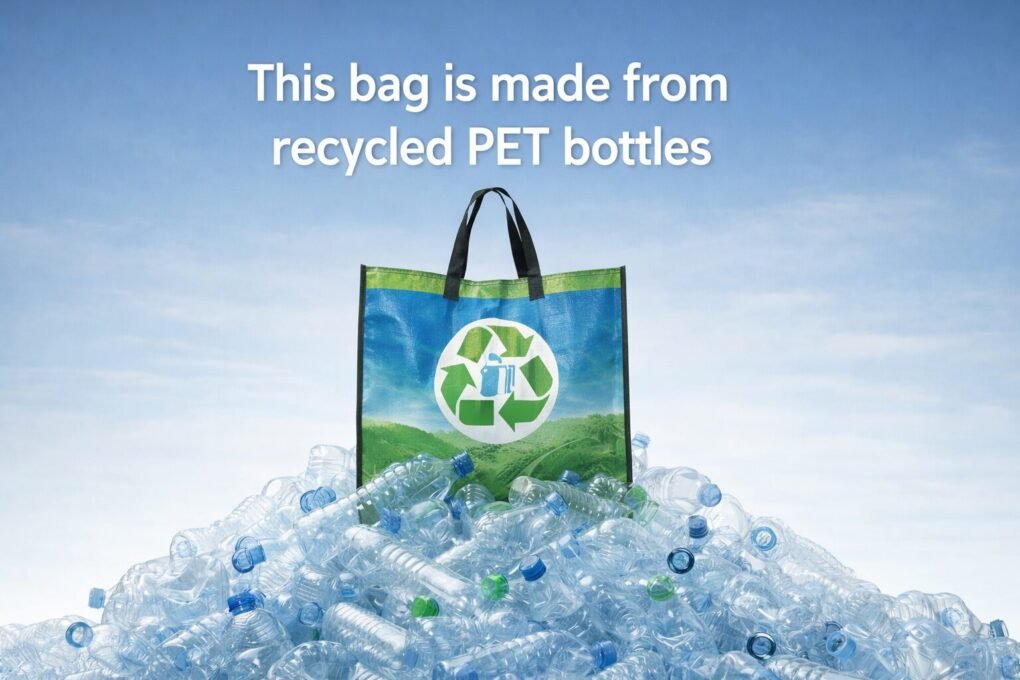
As sustainable packaging becomes more important, many brands are replacing traditional plastic bags with RPET bags. RPET material is made from recycled plastic bottles that are processed into durable polyester fibers, helping reduce new plastic production and waste. Among these options, RPET laminated bags are increasingly popular for retail shopping bags and promotional packaging because the laminated structure improves durability and water resistance.
An RPET laminated bag is an eco-friendly shopping bag made from recycled plastic bottles. The main fabric is recycled polyester (RPET), and a laminated layer is added to improve water resistance and overall durability. Because of this structure, these bags are commonly used for supermarket shopping bags, promotional bags, and everyday retail use.
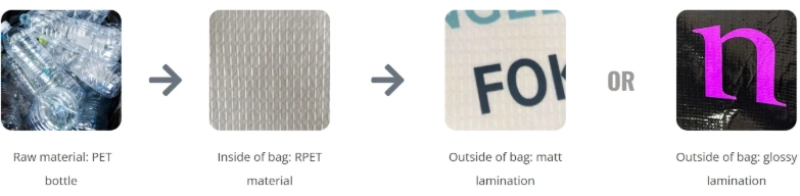
RPET laminated bags are typically made from two main components: RPET fabric1 and a laminated film layer. These two materials work together to provide both the sustainability of recycled material and the structural strength of laminated construction. Understanding this layered structure helps explain why these bags are durable and suitable for branded printing.
RPET fabric forms the main body of the laminated bag and is produced from recycled plastic bottles. The collected PET bottles are cleaned, melted, and spun into recycled polyester fibers before being woven into fabric. This material is lightweight, durable, and easy to print on, making it widely used for reusable shopping bags.
The lamination layer is usually made from BOPP film2 that is heat-bonded to the surface of the RPET fabric. This film improves water resistance, abrasion resistance, and overall structural stability while also enhancing printing clarity. Depending on the surface finish, lamination is typically available in glossy lamination or matte lamination.
One of the most common uses of RPET laminated bags is as reusable shopping bags. The laminated structure improves water resistance and load capacity, making the bags suitable for everyday supermarket and retail shopping. At the same time, the recycled material aligns with many brands’ sustainability initiatives.
Many companies use RPET laminated bags as promotional or giveaway bags. The laminated surface allows large, high-quality printed graphics, making the bag an effective branding tool. In everyday use, the bag continues to display the brand, creating ongoing exposure.
RPET laminated bags are also widely used at trade shows and exhibitions. They are commonly used to carry brochures, catalogs, and promotional samples. Compared with paper bags, they are more durable and less likely to tear during busy events.
Some brands use RPET laminated bags as reusable product packaging. Apparel, lifestyle products, and gift items can be packaged in these bags instead of disposable plastic packaging. This approach protects the product while reinforcing the brand’s sustainability message.
Because RPET laminated bags are durable and water resistant, consumers often reuse them for everyday storage. They can be used to carry clothing, travel items, or household essentials. This repeated use extends the bag’s lifespan and increases its practical value.
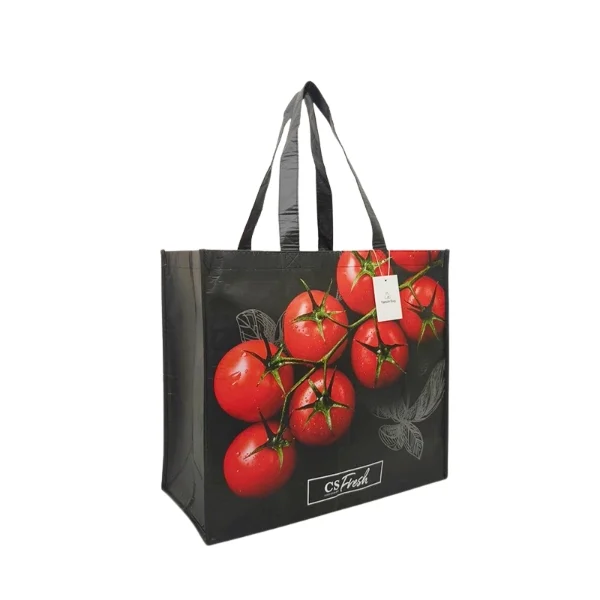
The main advantage of RPET laminated bags comes from their recycled material source. RPET fabric is produced from recycled PET plastic bottles that are processed into new polyester fibers. Using this material helps reduce plastic waste and lowers the demand for virgin plastic production.
RPET fabric offers good strength and abrasion resistance. When combined with a laminated structure, the overall bag becomes more stable and resistant to tearing or deformation. Compared with single-use plastic bags, it is designed for repeated long-term use.
The laminated layer forms a protective surface that helps reduce moisture penetration. Compared with paper bags or regular fabric bags, the material performs better in humid conditions. This makes it practical for supermarket shopping and everyday retail use.
The laminated surface is smooth and suitable for high-resolution printing. Logos, graphics, and brand designs appear sharper and more vibrant. In retail and promotional scenarios, the bag can also function as a mobile branding tool.
Consumers increasingly value environmentally responsible brands. Using RPET shopping bags allows companies to communicate their sustainability commitment. For retail and e-commerce brands, this helps strengthen brand credibility.
The laminated surface does not easily absorb dust or oil stains. In daily use, light dirt can usually be wiped off with a damp cloth. Compared with non-laminated fabric bags, it is easier to maintain a clean appearance.
Although the RPET fabric is made from recycled plastic bottles, the laminated layer is typically a plastic film. Because of this structure, the bag is not fully biodegradable. Projects requiring natural or compostable materials may need alternative options.
RPET material generally costs more than standard polypropylene or basic nonwoven fabrics. The lamination process also adds additional production steps. However, this higher cost also brings improved durability and better printing quality.
The laminated film reduces the breathability of the material. As a result, the bag is not ideal for uses that require ventilation or moisture release, such as laundry storage or wet gear.
RPET laminated bags can be produced in different styles depending on their structure and intended use. While most designs are based on shopping bag structures, adjustments to the bag shape, opening style, or handle design allow them to fit different retail, promotional, and packaging applications. Understanding these common styles helps brands choose a more suitable design when developing custom bags.
The most common style is the open-top shopping bag, also known as a tote bag. These bags usually feature two handles and an open top, making it easy to quickly place or remove items. Because of their simple structure and moderate capacity, this style is widely used for retail shopping bags and promotional bags.
This bag style features a wider bottom structure that provides larger capacity. The bottom and side panels are usually expanded, allowing the bag to stand more steadily when placed on the ground. Because of its large capacity and strong load-bearing ability, this style is commonly used for supermarket grocery bags and large retail shopping bags.
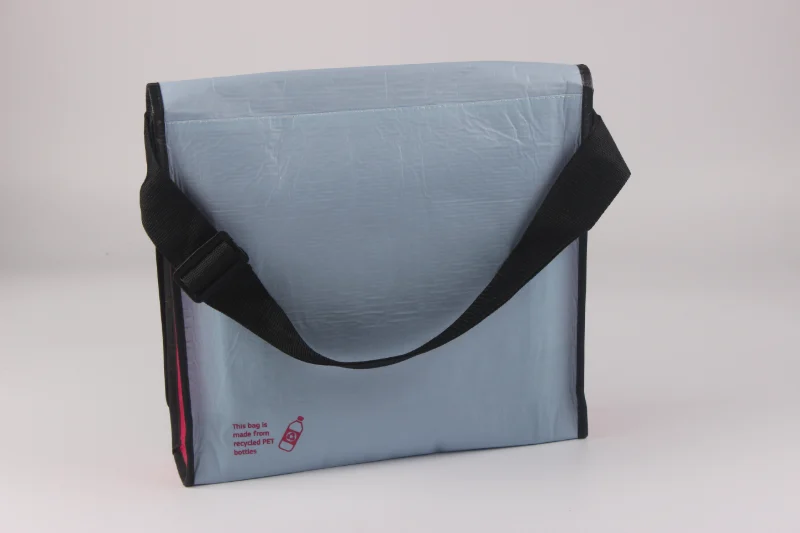
RPET laminated bags can also be designed with longer straps so they can be carried on the shoulder or worn crossbody. This style is commonly used for exhibition bags or promotional event bags.
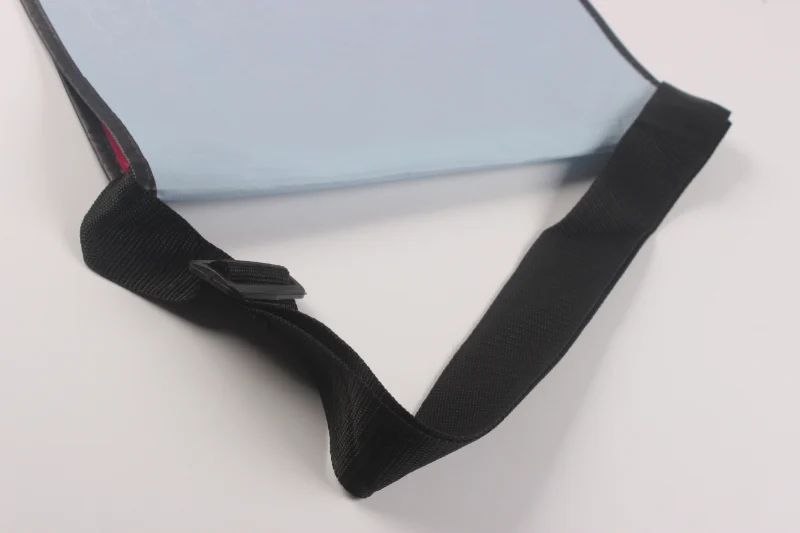
For scenarios that require better storage, RPET laminated bags can be designed with zipper closures. The zipper helps protect the contents inside the bag while improving overall functionality. This type of bag is often used for storage bags or quilt packaging.
By adding insulation layers or thermal materials inside the bag, RPET laminated bags can also be produced as cooler bags. This style is commonly used for food delivery, supermarket frozen products, or outdoor activities.
RPET laminated material can also be made into envelope-style packaging bags. This simple structure is commonly used for packaging documents or notebooks.
Choosing the right RPET laminated bag mainly depends on the intended use and project requirements. Different projects may require different sizes, material thicknesses, lamination finishes, and printing styles. Understanding these factors can help brands select a more suitable design when developing custom bags.
The size of an RPET laminated bag is usually customized according to the intended application, such as grocery shopping bags, exhibition tote bags, or product packaging bags. When designing the bag size, it is important to consider both the weight and volume of the items it needs to carry, as well as the bottom width and handle structure to ensure stability and load capacity in daily use.
The thickness of the RPET fabric directly affects the bag’s strength and durability. Common RPET laminated bag materials typically range from 130 gsm to 160 gsm, where lighter materials are suitable for promotional bags and thicker materials are better for reusable shopping bags designed for long-term use. Brands usually balance durability and cost when selecting the material thickness.
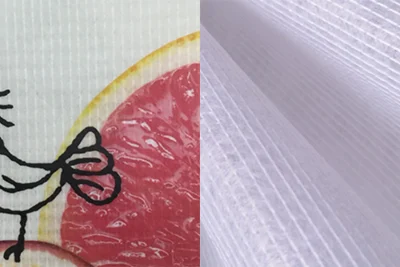
RPET laminated bags usually come with two common surface finishes: glossy lamination and matte lamination. Glossy lamination creates a smoother surface with brighter colors, which is suitable for designs that emphasize strong brand graphics. Matte lamination provides a softer and more premium appearance. The choice of finish usually depends on the brand’s visual style.
RPET laminated bags are typically produced with full-color printing so that logos and graphics appear clear and vibrant on the laminated surface. Depending on the project requirements, bags can be made with single-side printing with lamination or double-side printing with lamination. Single-side printing is often used for promotional bags, while double-side printing is preferred when stronger brand visibility is required.
RPET laminated bags can be designed in different structures such as tote bags, shoulder bags, zipper bags, or cooler bags. Different structures are suitable for different applications, for example tote bags are ideal for everyday shopping, while zipper bags are more suitable for storage or packaging. Choosing the right structure helps ensure the bag performs well for its intended use.
RPET laminated bags are generally durable for everyday use, but proper care can help extend their lifespan. Simple cleaning and storage habits can keep the bags looking clean and reduce unnecessary wear.
RPET laminated bags can usually be cleaned by wiping the surface with a damp cloth to remove dust or light stains. For deeper cleaning, gentle hand washing with warm water is recommended. Avoid strong detergents or hard scrubbing, as they may damage the laminated surface.
After cleaning, the bag should be air dried in a well-ventilated area. RPET material is lightweight and typically dries quickly. Avoid using dryers or exposing the bag to high heat, as excessive heat may affect the material structure.
When not in use, store the bag in a dry and ventilated place. Avoid prolonged exposure to high temperatures or contact with sharp objects, which could damage the laminated layer or tear the material.
If a project aims to highlight environmentally responsible materials, RPET laminated bags are often a suitable option. RPET fabric is made from recycled plastic bottles, which helps reduce plastic waste while communicating a brand’s commitment to sustainability. For retail and e-commerce brands, this material can support a stronger eco-friendly brand image.
If the design includes large graphics, gradients, or strong brand visuals, laminated construction usually provides more stable printing results. Because the graphics are printed on the laminated surface, colors appear more even and details sharper, making it suitable for promotional or brand-focused shopping bags.
For projects that aim to encourage repeated consumer use, durability becomes an important consideration. The laminated structure improves surface stability and helps the bag resist wear during repeated use, making it suitable for reusable shopping bags.
As more consumers pay attention to environmentally responsible products and packaging, using RPET-based bags can help brands communicate their sustainability values. In retail and promotional contexts, these bags combine practical functionality with brand messaging.
Get a free quote and expert consultation today. Let's bring your brand vision to life.
1 Wikipedia identifies recycled polyethylene terephthalate (rPET) as a material produced through the recycling of PET bottles into new polymer feedstock used in fibers, packaging, and other products.
2 In industry standards, biaxially oriented polypropylene film functions as a transparent polyolefin packaging material used in printing, lamination, and flexible packaging applications.
Answer: An RPET laminated bag is a reusable shopping bag made from recycled polyethylene terephthalate (RPET) fabric, which is produced from recycled plastic bottles. A laminated film layer—usually BOPP—is added to the surface to improve water resistance, durability, and printing clarity, making the bag suitable for retail shopping bags, promotional tote bags, and branded packaging.
Answer: RPET laminated bags are commonly used as reusable grocery shopping bags, promotional tote bags, trade show bags, retail packaging bags, and branded giveaway bags. Their durability, waterproof surface, and ability to display high-quality printed logos make them popular for supermarkets, retail brands, and marketing campaigns.
Answer: RPET stands for Recycled Polyethylene Terephthalate. It refers to polyester material made from recycled PET plastic bottles. In the packaging and reusable bag industry, RPET is widely used to produce eco-friendly shopping bags, tote bags, and promotional packaging while reducing plastic waste.
Answer: Yes, RPET bags are considered environmentally friendly because they are made from recycled plastic bottles. By converting post-consumer PET waste into reusable bags, RPET helps reduce landfill waste, lower carbon emissions, and decrease the demand for virgin plastic production.
Answer: RPET laminated bags are water-resistant rather than fully waterproof. The laminated film layer helps prevent moisture from penetrating the fabric and protects printed graphics from humidity.
Answer: Yes, RPET laminated bags can often be recycled depending on local recycling systems. Because RPET is derived from PET plastic, the material may be processed again and reused in other plastic products within recycling systems.
Answer: Yes, RPET bags are durable and strong. The recycled polyester fibers provide high tensile strength, and laminated construction improves stability and wear resistance, making them suitable for carrying groceries and everyday items.
Answer: RPET laminated shopping bags commonly use material thickness between 130 gsm and 160 gsm. Lighter materials are used for promotional bags, while thicker materials are preferred for durable reusable grocery bags.
Answer: Yes, RPET laminated bags are widely used for promotional marketing because their laminated surface allows high-quality printing. Companies often use them as branded tote bags, exhibition bags, or promotional giveaways.
Answer: Glossy lamination produces a shiny surface that enhances color brightness and makes graphics appear more vibrant. Matte lamination creates a softer, non-reflective finish that gives the bag a more premium and subtle appearance.

Order or no-order we are Always here to help you!
We will contact you within 1 working day, please pay attention to the email with the suffix “@yanxinbag.com”.
Order or no-order we are Always here to help you!
We will contact you within 1 working day, please pay attention to the email with the suffix “@yanxinbag.com”.