
Our Academy
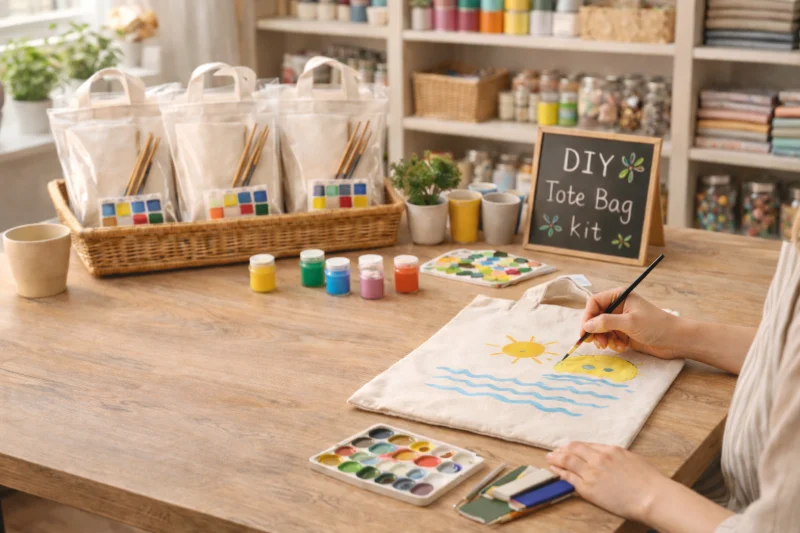
In recent years, more and more craft brands and workshops have begun to rethink the meaning of packaging. It’s no longer just the outer layer that protects materials — it can also be part of the course experience and a form of brand expression. Especially in the craft kit market, a simple blank bag can often convey more warmth and leave a deeper impression on students than a beautifully printed box.
Many instructors who run craft workshops or sell craft kits often face the same problem: the packaging needs to look good, be practical, and stay affordable. Paper boxes take up too much space and cost too much, while plastic bags, though cheap, make the class look low-end and not environmentally friendly.
When packaging fails to carry creativity, it weakens the students’ first impression of the course. You might have prepared a carefully designed set of materials, but a plain bag can make your brand feel careless and lacking warmth. For workshops, this kind of loss is often greater than it seems.
Blank bags are the simple answer to all of these challenges. They are lightweight, printable, and low in MOQ, making them flexible for different course themes. Painting classes can use them as canvas bags, sewing workshops can use them to hold fabrics and threads, and children’s DIY courses can even turn the bag itself into part of the project. Packaging is no longer just an accessory—it becomes an extension of the crafting experience.
When creating a craft kit or workshop package, many brands tend to underestimate the impact of the bag’s material. What seems like a simple container for materials actually determines the overall texture and experience of the kit. Choosing the wrong material can make the bag too thin to support the weight, or too thick to carry comfortably. If the surface texture feels off, it can also weaken the professional impression1 of the course and the brand.
An ideal craft kit bag should find the right balance between structure, tactile comfort, and visual style. Different types of workshops require different materials, which is why manufacturers often suggest confirming the course content and kit weight before customization.
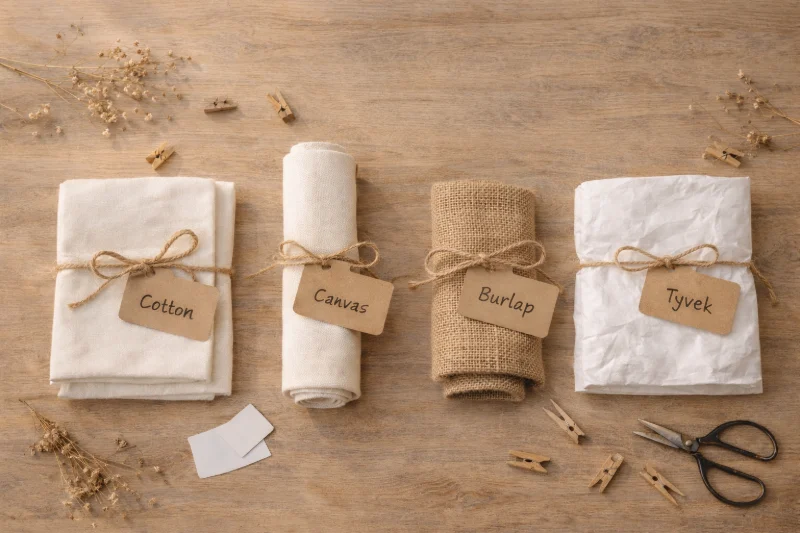
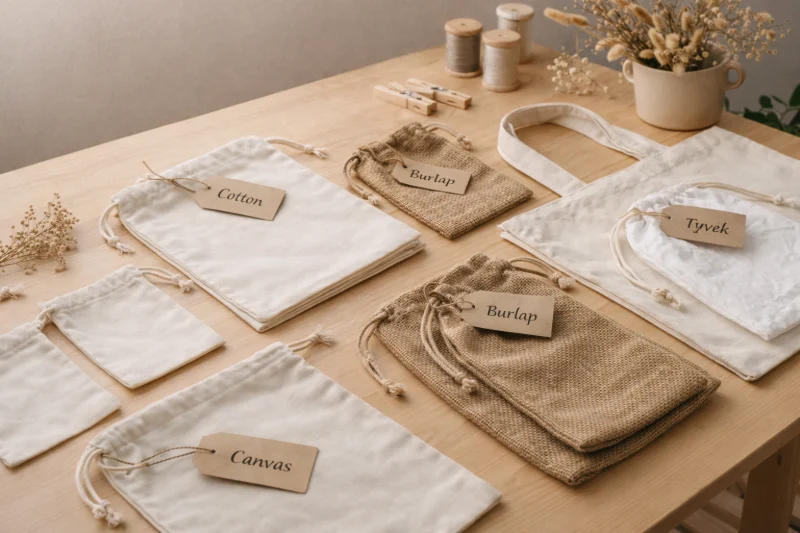
Cotton bags are light and soft, making them perfect for small DIY kits, embroidery, or sewing classes. The fine texture of the fabric offers a gentle, natural feel that highlights the handmade character.
Canvas is sturdier and comes in various thicknesses such as 8oz, 10oz, 12oz, and 14oz, suitable for heavier tools or finished projects. 8oz works well for light textile workshops, while 12oz and above are better suited for larger workshops or shipping kits.
Jute or burlap has a coarse, natural fiber texture, ideal for gardening, baking, or nature-themed workshops. Its unique surface conveys an authentic handmade charm even without printed logos.
Tyvek is lightweight, waterproof, and modern in appearance, making it a popular choice for children’s craft kits or outdoor workshops. It resists paint, glue, and moisture, making it particularly suitable for kids’ creative activities.
Washable Kraft Paper represents the eco-friendly option. It looks like paper but is washable, often used in cultural or design-oriented craft kits. It gives a “natural yet refined” impression and is especially loved by independent designers.
We’ve seen countless examples in production: choosing the right material doesn’t just support the weight — it supports the brand’s tone. Material isn’t a supporting role; it defines the first impression of the entire kit.
Craft kit bags usually serve two purposes: to hold materials and tools (packaging) or to act as part of the creative process itself (canvas). Each purpose affects how you should choose the bag’s shape and size.
If the bag is mainly used for storing materials and tools, you should choose:
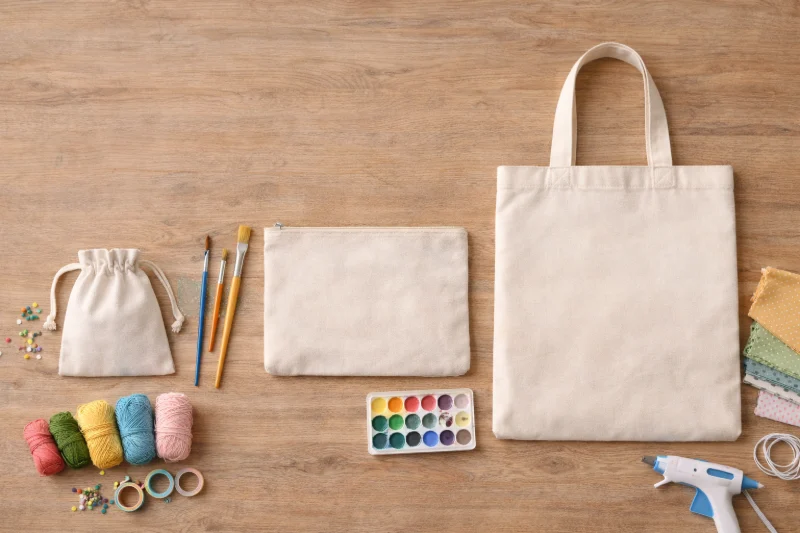
Small drawstring bags: ideal for beads, threads, and small accessories.
Zipper pouches: suitable for stationery, brushes, colored pens, or embroidery tools.
Medium tote bags: great for larger kits containing multiple materials such as knitting, painting, or quilting.
If the bag itself is part of the creative project (such as a painting or embroidery bag), then you should prioritize:
Flat-surfaced cotton or canvas bags
Sizes with enough “creative space” (commonly 30×35cm / 35×40cm)
Simple bag designs (minimal decorations or seams) to make painting or embroidery easier
Before finalizing the size, lay out all the materials on a table to check whether the bag can fully contain them while staying flat when opened. This step helps you balance both the “packaging experience” and the “creative experience,” ensuring that every moment—from unboxing to creating—feels smooth and natural.
For craft brands, a bag is never just packaging for materials. It is a form of brand language and an extension of the overall experience. A successful craft kit doesn’t only impress through its content—it conveys professionalism and warmth through its presentation. The bag becomes the intersection of “experience and branding2,” allowing the brand to not only be seen but remembered.
When a bag carries a clear brand identity, it communicates more than just function—it reflects professionalism. Students recognize the completeness and attention to detail, which makes the workshop feel more premium and trustworthy. Many instructors have found that when students continue using the bag after class, the brand naturally becomes part of their everyday life. This is the long-term value of thoughtful brand integration.
The essence of brand integration lies in finding the balance between craftsmanship and style. Every detail of the bag—printing, woven labels, tags, and color coordination—becomes part of the brand’s visual language.
Screen printing is ideal for bulk production—it’s durable, clean, and cost-effective. Heat transfer works best for colorful, detailed designs and is well-suited for small-batch craft kits. Embroidery adds depth and warmth, making it perfect for premium or customized workshop sets. The right method is not about complexity—it’s about whether it matches your brand’s character.
Woven labels are one of the most common yet meaningful details for craft brands. They are small and understated but bring out a strong handmade feel. DIY kit customers especially appreciate this kind of natural, genuine texture—it quietly conveys warmth and authenticity.
Paper or kraft tags can extend your brand’s story. They don’t just convey information—they enhance the overall experience. Brand philosophy, usage notes, or workshop details can all be shared on tags, helping customers connect with your brand on a more personal level.
Color is one of the most powerful elements of brand recognition. Coordinating the color of zippers, drawstrings, and woven labels gives the entire craft kit a cohesive look. Many brands also adjust color schemes based on workshop themes or seasonal concepts, creating a more harmonious and consistent visual experience that fits the brand’s tone.
During holidays or special events, brands can enhance recognition through seasonal customization. Themes like Christmas, spring workshops, or summer camps can incorporate limited-edition colors or prints on the bags. This allows the brand to blend naturally with the festive atmosphere, increasing engagement and collectible value.
In many workshops, bags are no longer just an outer layer of packaging—they’ve become part of the creative process itself. Painting classes invite students to create directly on canvas bags, while embroidery workshops use them as practice pieces. When packaging merges with creation, the brand becomes part of the memory—it’s no longer an accessory, but a meaningful element of the experience.
The essence of brand integration lies in subtlety. It shouldn’t dominate the design, but it shouldn’t disappear either. As long as the details are thoughtfully placed, a blank bag can extend brand exposure while enhancing the creative experience. It becomes something that’s touched, used, and remembered—an experience, not just packaging.
A well-branded bag often becomes part of the customer’s creative experience, not just packaging.
In the craft market, a bag can be both a creative medium and a simple materials carrier. The way you present your brand should depend on the bag’s purpose—enhancing the experience, not overpowering it.
When the bag itself is part of the creative project—like a painted tote or an embroidered bag—the most important thing is to keep the surface clean and smooth. These designs rarely feature large logos; instead, they might include a small woven label3 on the side or inside, paired with a minimalist paper tag. This keeps the surface neat and doesn’t interfere with drawing or stitching layouts. If stronger branding is needed, the logo can be printed on an outer transparent sleeve rather than on the fabric itself.
When the bag serves purely as materials packaging, branding can be more expressive. Many craft brands use screen printing or heat transfer to place small logos on the front, or add matching zipper colors, custom drawstrings, handmade-style woven labels, or kraft paper tags for a cohesive and professional look. For retail display kits, adding a clear window can make the contents more visible and attractive without opening the bag. For workshop sets, multi-pocket designs help instructors organize and distribute materials efficiently.
Regardless of the bag’s role, branding should stay simple and thoughtful. The right balance of detail brings warmth, encourages reuse, and keeps the brand visible long after the class ends—making the bag part of the creative journey, not just the packaging around it.
Blank craft bags are widely used across the creative industry and are especially popular in the following settings:
Children’s Art Workshops
Used to store class materials, finished projects, or even serve as part of the crafting activity itself.
Embroidery & Sewing Classes
Can act as a creative base for stitching or serve as a storage pouch for small class accessories.
Holiday DIY Kits
Ideal for festive sets such as Christmas, Easter, or Mother’s Day packaging.
Candle, Soap & Aromatherapy Craft Kits
Used for organizing materials and giving the kits a more giftable appearance.
Subscription Craft Boxes
Small drawstring bags are often used to separate monthly material packs for a more organized unboxing experience.
Pop-up Workshops & Offline Events
Provide unified and eco-friendly material bags that are easy to distribute and carry.
Small Craft Brands / Etsy Sellers
Commonly used as product wrapping or gift packaging to elevate brand presentation.
There’s no universal pricing standard for blank craft bags because every project differs in content and purpose. The bag’s size, structure, material, and printing method all affect cost. For this reason, pricing is typically calculated based on specific project details rather than a fixed template.
In production, most clients first finalize their kit contents, then describe how they’d like their packaging to look. We help calculate pricing based on bag dimensions, structure (such as gussets or zippers), printing requirements, and quantity. Different combinations can create different cost ranges—but all options can be adjusted to fit your brand positioning and workshop needs.
In terms of MOQ, blank bags are extremely flexible. Many new brands worry that the minimum order might be too high, but in many projects we’ve seen, starting from 100 pieces is already enough to test the market. What matters most isn’t quantity—it’s getting your workshop or kit successfully launched. For brands running seasonal kits or small-batch classes, this flexibility makes blank bags an ideal starting point. If you’re unsure about your printing design, you can begin with plain unprinted bags and gradually add customization in later orders.
Another major advantage of fabric bags is shipping efficiency. Whether made from cotton, canvas, jute, or Tyvek, these bags can be folded and packed compactly, which significantly reduces shipping volume and costs compared to boxes.
In short: the cost of blank bags for craft kits is always project-specific—there’s no fixed formula. With flexible MOQs, low shipping costs, and adaptable options, they’re a perfect fit for small brands, workshops, and subscription-based craft boxes.
Blank bags play two key roles in the world of craft kits—they’re both practical packaging and part of the creative experience. For workshops that need to present their materials neatly, they offer structured, reusable organization. For painting, embroidery, doodling, or parent-child DIY courses, they become a canvas for creativity—a piece that participants actually make their own.
Because they serve both purposes—packaging and creation—blank bags have become the most versatile and sustainable solution for workshops, seasonal kits, subscription boxes, and independent craft brands. They offer natural aesthetics, a complete creative experience, and align with modern expectations for eco-friendliness and reusability.
If you’re preparing your next workshop or craft kit—whether you need a bag to hold materials or to let your students create on it—tell us about your course.
We can help you choose the right material, bag type, size, and customization options based on your kit’s contents, weight, and budget. Even for small-batch orders, we can provide flexible manufacturing solutions that balance experience, branding, and cost—helping your craft kit feel thoughtful from the first touch to the final use.
Get a free quote and expert consultation today. Let's bring your brand vision to life.
1 The study archived in PubMed Central explains that packaging design serves as the first consumer impression, directly shaping perceptions of product quality and brand professionalism.
2 In marketing research, as outlined by Wikipedia, branding operates as the causal link between product appearance—such as packaging—and the perceived quality or professionalism of the brand.
3 According to Wikipedia’s description of product labeling and textile applications, woven labels integrate visual identification and durability, ensuring brand continuity across handmade or creative products.
Answer: The best bag size for craft kits depends on the type and volume of materials included, but a good rule of thumb is to choose a bag that fully accommodates all components with a bit of margin so materials fit comfortably and are easy to remove and organize.
Answer: Yes, canvas bags are excellent for kids workshops because they are durable, reusable, and allow plenty of space for art and craft materials, making them both practical and effective for creative activities.
Answer: Yes, most custom bag manufacturers allow you to order mixed sizes in a single purchase, although pricing may vary depending on size combinations and print requirements.
Answer: Many fabric craft bags like cotton and canvas are washable and reusable, making them practical for workshops and eco-friendly branding solutions.
Answer: Common materials for craft kit packaging include cotton, canvas, jute, Tyvek, and washable kraft paper, each offering different strengths in texture, durability, and visual appeal.
Answer: Custom blank bags enhance workshop branding by incorporating logo printing, color coordination, woven labels, and tags that convey professionalism and strengthen brand recall.
Answer: Minimum order quantities (MOQ) for custom craft kit bags can be as low as 100 pieces, making them accessible for small brands and seasonal test products.
Answer: Seasonal branding on craft bags—such as holiday themes or event-specific colors—can strengthen emotional connection, make the kit feel timely, and increase perceived value.

Order or no-order we are Always here to help you!
We will contact you within 1 working day, please pay attention to the email with the suffix “@yanxinbag.com”.
Order or no-order we are Always here to help you!
We will contact you within 1 working day, please pay attention to the email with the suffix “@yanxinbag.com”.