
Our Academy
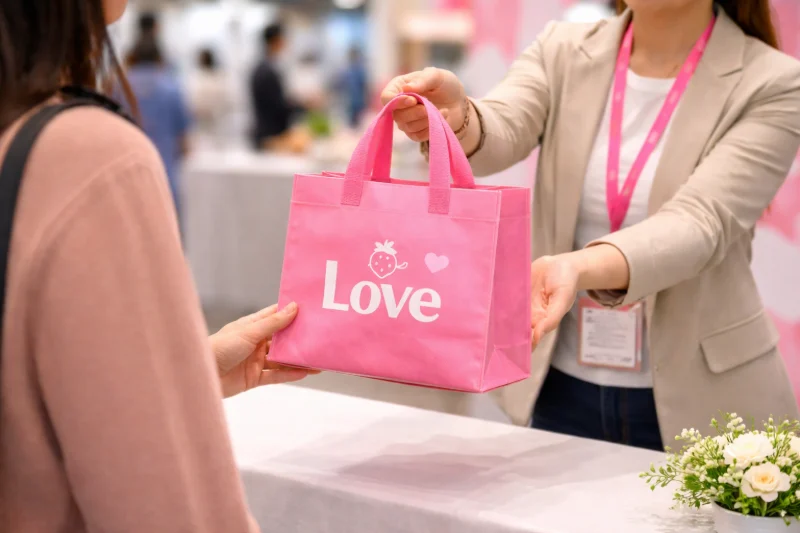
Over the years of making bags, I’ve seen many customers hesitate when it comes to placing an order. In the past, MOQs often started at several thousand pieces — for many new companies that wanted to make their own bags, that number alone was enough to hold them back. Now that the threshold has come down, the situation is completely different. More and more small businesses, start-up brands, and even clients preparing for events or exhibitions have started trying custom-made bags.
They choose low MOQs not to save money, but to buy themselves the right to make mistakes. Placing a large order ties up cash for half a year in inventory, while a smaller batch keeps them flexible. For them, it’s not a small order — it’s a way to stay in control of their own pace. Low MOQ allows them to test the market and adjust their designs within a manageable range, giving more ideas a chance to be produced and proven.
The types of customers we work with are quite diverse, but when you look closely, their thinking often overlaps. When buyers choose low MOQs, they’re not just buying bags — they’re buying a form of control. Some are buying the chance to experiment, some are buying timing precision, and others are buying flexibility in rhythm.
The second type is the event or promotional client. For them, low MOQ is more like a “timer.” The bags have to fit perfectly within the schedule — used exactly when needed, not earlier, not later. Whether it’s an anniversary campaign, a trade show, or a seasonal promotion, what matters most in these orders is timing and accuracy, not quantity.
The third type is the retail brand. They don’t use low MOQ to test survival, but to fine-tune. They often produce several colors or designs at once to see which performs better before deciding where to scale up. For them, low MOQ acts as a “valve,” helping balance their product rhythm with real market response.
After working with so many different kinds of buyers, we’ve learned one thing: no matter who they are, what they value most isn’t the unit price — it’s control. The ability to manage risk, timing, and inventory on their own terms makes them feel secure, even if it means placing smaller orders.
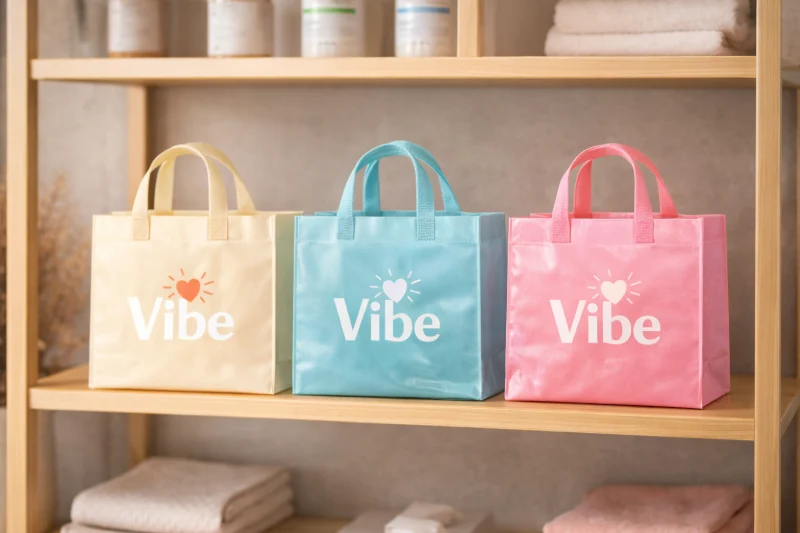
Some customers say, “Let’s start with a small batch and see,” but that first batch isn’t really about making sales — it’s about testing. They’re testing everything at once: the design, the price point, the sales channel, and even the target audience2. Most of them aren’t afraid of commitment; they’re afraid of betting on the wrong direction and ending up with unsold stock. From what we’ve seen over the years, what they’re really paying for isn’t the cost of the bags — it’s the cost of a “license to make mistakes.”
This kind of small-batch testing has actually sped up the rhythm of the market. In the past, one design could run for several months before being reviewed. Now, customers prefer to launch, observe, and adjust all at once. If it sells well, they reorder; if it doesn’t, they switch. For them, this approach feels lighter, safer, and closer to how real decisions should be made.
Interestingly, even within the same industry, customer habits can vary a lot. Some brands prefer to stick to a single bag design and simply reorder when stock runs out — for them, stability and brand recognition matter most. Others like to keep things fresh. For example, we work with a bakery that changes its bag design almost every quarter — the style shifts, but the brand identity stays consistent. And brands like Bawang Chaji in China often launch new bag designs regularly to maintain a sense of visual freshness. Despite these differences in rhythm, all of them share one thing in common: they use their bags to express their brand identity. Low MOQ just makes that expression more flexible and accessible.
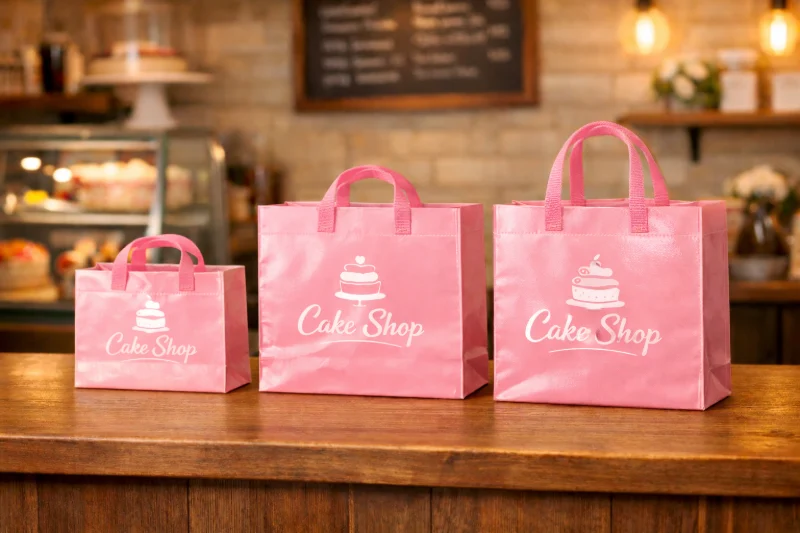
Buyers today think very differently about placing orders. In the past, when the MOQ started at a few thousand pieces, many people backed away before even getting a quote. Now, with a few hundred pieces being enough to start, the cost of testing the market feels much more manageable. Many customers no longer rush into large runs — they prefer to observe market feedback first, then decide whether to scale up. For them, small batches aren’t about saving money; they’re about checking whether they’re heading in the right direction. The more buyers we’ve worked with, the clearer it becomes: they’re not afraid of growing big, they just want to make sure they’re right before they commit. Low MOQ makes that kind of validation lighter, quicker, and far more practical.
At the end of the day, making bags is no longer about who can place the biggest order. The market moves faster now, and buyers make decisions with more caution. Some prefer to stick with one design, others like to experiment with several. Some value stability, others value flexibility. But behind these differences lies the same goal — to make choices that are steadier and closer to the market.
For us as manufacturers, low MOQ has never been a concession — it’s simply where the logic of the market has led. Customers aren’t buying cheap products; they’re buying certainty. They want control and room to adjust. Our role is to handle that uncertainty and turn their flexible pace into real, workable production. In the long run, true capability isn’t about how large an order you can take — it’s about whether you can stay steady while the market keeps changing.
Get a free quote and expert consultation today. Let's bring your brand vision to life.
1 According to TechTarget’s description of test marketing, small-scale product releases are designed to explore consumer response before mass rollout, aligning closely with how “market scouts” function in early-stage business testing.
2 As described by Oxford Reference, test marketing allows businesses to assess market potential and refine product or pricing strategies through feedback from representative samples, similar to how small-batch testing informs business decisions.
3 In business operations, Investopedia explains that managing inventory efficiently reduces the financial strain of excess goods, reflecting the same logic applied when small firms limit their initial order quantities.
Answer: MOQ stands for “Minimum Order Quantity,” which is the smallest number of units a factory or supplier is willing to produce for a single order. It ensures production costs and profitability are covered by spreading setup and material expenses across enough units.
Answer: Low MOQ orders are more common because many buyers prefer to test market demand and product direction with smaller quantities before committing to large production, giving them flexibility and lower risk.
Answer: Buyers choosing low MOQ are often seeking control — such as testing market response, managing timing for events, or fine-tuning product lines — rather than simply minimizing cost.
Answer: Reusable shopping bags are made from materials such as canvas, cotton, jute, non-woven fabrics, or thicker plastic that allows repeated use compared to disposable single-use bags.
Answer: Manufacturers set MOQs to cover fixed production costs, optimize production efficiency, and ensure profitability, since producing very small batches can increase operational complexity and cost per unit.
Answer: MOQ plays a role in balancing cost and risk by ensuring production expenses are covered while allowing buyers to limit upfront investment and test products before scaling up their orders, a key reason why many brands value low MOQ options.

Order or no-order we are Always here to help you!
We will contact you within 1 working day, please pay attention to the email with the suffix “@yanxinbag.com”.
Order or no-order we are Always here to help you!
We will contact you within 1 working day, please pay attention to the email with the suffix “@yanxinbag.com”.