
Our Academy

Clear and mesh backpacks are both popular choices among lightweight bag styles. At first glance, they might seem similar because both allow some visibility of what’s inside. But when it comes to materials, airflow, water resistance, and overall comfort, the differences are quite noticeable. Many buyers mix them up during sourcing, which can easily lead to mismatched product choices or unclear market positioning.
For brands, wholesalers, and e-commerce sellers, knowing what sets these two backpack types apart makes a big difference. A clear understanding of their materials, structure, and functional traits helps you choose the right design for your market. In this article, we’ll take a closer look at how clear backpacks differ from mesh backpacks — from construction and performance to overall appearance.
A clear backpack is made from transparent PVC or TPU, allowing the contents inside to be easily seen. It features a structured shape, strong water resistance, and a clean, simple look. This type of backpack is often used in situations where clear visibility1 and neat presentation are desired.
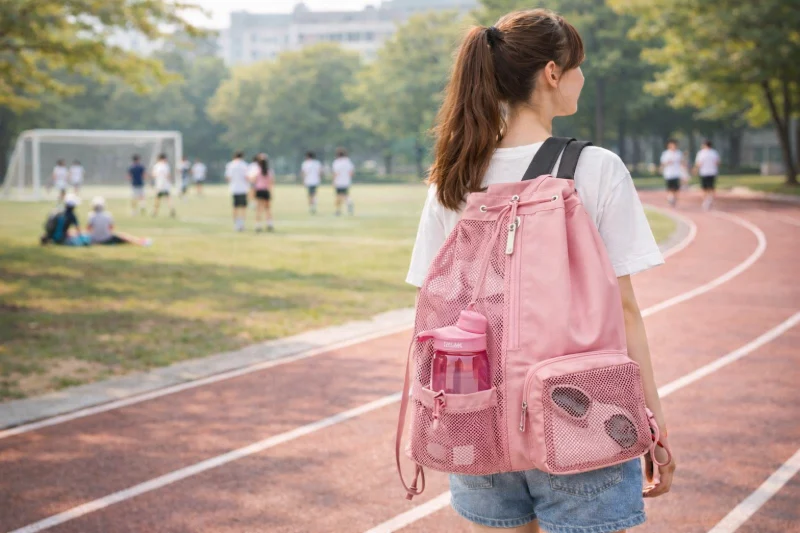
A mesh backpack is made from polyester or nylon mesh fabric, providing breathability and partial transparency. The soft, flexible body makes it comfortable for daily or outdoor use. It’s common in gyms, beaches, and casual sports settings.
Clear Backpack
Clear backpacks are typically made from fully transparent PVC or TPU materials, allowing the contents to be seen from any angle. This design makes security and entry checks easier and helps supervisors quickly identify prohibited items. In settings that require strict visibility standards, clear backpacks are generally regarded as the more compliant option.
Mesh Backpack
Mesh backpacks use woven fabric structures that only partially reveal what’s inside. Although they offer better breathability, the level of visibility depends on the density of the mesh and may not always meet safety or inspection requirements. In places with more flexible policies, mesh backpacks may still be permitted, but it’s best to confirm the standards in advance.
In our project discussions, we’ve found that many clients initially group mesh and clear backpacks together as “see-through products.” However, when it comes to compliance for schools, venues, or events, the specific material and transparency standard often need to be verified — as the definition of “visibility” can vary from one region to another.
Clear Backpack
Most clear backpacks are made from PVC or TPU materials with sealed, non-porous surfaces, which means breathability is limited. During long wear, the body of the bag can feel warm or sticky against the skin, especially in hot or outdoor environments. However, the material helps keep the inside clean and dry and does not absorb dust or odors.
Mesh Backpack
Mesh backpacks are made from polyester or nylon mesh fabric, with open-knit structures that allow air to circulate freely. This reduces heat buildup against the back and makes them more comfortable for sports, travel, or warm climates. The breathable structure also keeps items dry, making it ideal for carrying gym clothes or towels.
Through sample testing and user feedback, we’ve also found that carrying comfort depends not only on materials but also on strap width, padding design, and the way weight is distributed.
Clear Backpack
Clear backpacks made from PVC or TPU have strong water resistance and effectively prevent rain from entering. Even in humid or rainy environments, the contents remain dry. However, in very cold weather, the material may become slightly stiff, and prolonged exposure to sunlight can cause minor yellowing over time.
Mesh Backpack
Mesh backpacks are less resistant to water, as rain or liquid can easily pass through the fabric gaps. They are more suitable for dry or indoor conditions, but for outdoor use, a waterproof inner bag can help protect items. While they aren’t waterproof, their quick-drying and breathable nature keeps them lightweight even in humid situations.
Clear Backpack
Clear backpacks are mainly made of PVC or TPU, materials with a certain rigidity that help maintain their shape. The right thickness enhances overall load-bearing capacity and tensile strength, making the bag less prone to deformation during daily use. With proper material selection, this structure performs well in schools, events, and light business settings.
Mesh Backpack
Mesh backpacks rely on a knitted or netted structure made from polyester or nylon mesh fabric, which evenly distributes tension and resists tearing. They are flexible, breathable, and less prone to cracking. High-density mesh materials can withstand repeated use and moderate loads while remaining lightweight. Compared with clear styles, they are better suited for daily commuting, sports, and casual use, rather than carrying heavy items.
Clear Backpack
A clear backpack features fully transparent material that exposes everything inside, creating a clean and minimalist appearance. The modern visual style looks neat but offers little privacy, as personal items are easily visible. For scenarios that emphasize brand presentation or quick inspection, this design delivers a tidy and standardized look.
Mesh Backpack
Mesh backpacks offer partial coverage while maintaining a lightweight aesthetic, giving users a balance between privacy and openness. Variations in mesh density and color create a more relaxed and diverse visual style. For users seeking personality or a sporty, casual look, mesh designs appear more natural and effortless.
Clear Backpack
The smooth surface of a clear backpack is ideal for screen printing, UV printing, or labeling. Logos appear sharp and vivid, often placed on the front pocket or top section for a clean presentation. This makes clear backpacks particularly suitable for projects that require brand uniformity or visual display at events.
Mesh Backpack
Mesh backpacks are not suitable for direct printing and typically use woven labels, fabric patches, or wash tags for branding. When the bag includes fabric panels, logos can also be printed on those areas. The overall tone feels more casual, making this type a popular choice for sports or outdoor brands.
Clear Backpack
The surface of a clear backpack is smooth and dust-resistant, requiring only a quick wipe with a damp cloth for regular cleaning. PVC may slightly yellow after prolonged sun exposure, while TPU retains its transparency and flexibility better. Overall, clear backpacks are waterproof, low-maintenance, and ideal for repeated use.
Mesh Backpack
Mesh backpacks are made from polyester or nylon mesh fabric, which is breathable and quick-drying but can sometimes trap dust or small debris within the openings. They can be easily cleaned with water or mild detergent and dry fast without retaining odors. For frequent use or outdoor activities, this makes mesh backpacks more convenient for daily maintenance and long-term use.

Clear Backpack
Clear backpacks offer stable production with consistent mold shaping, making them suitable for mass manufacturing. However, their firm and non-collapsible structure takes up more space during transport, resulting in higher shipping costs. Thicker or more complex designs can further increase packaging and logistics expenses.
Mesh Backpack
Mesh backpacks are soft and foldable, allowing for compact packing and higher carton density. Their lightweight material reduces overall shipment weight, which is beneficial for bulk export. Under equal quantities, mesh designs are more cost-efficient in storage and logistics.
In our shipping experience, we’ve also observed that clear backpacks occupy more space due to their fixed structure, which can slightly raise logistics costs2 in cross-border shipping. As a result, many clients evaluate both functional requirements and transport efficiency when planning product lines, rather than focusing solely on material or structure.
After comparing these aspects, we can clearly see the functional differences between clear and mesh backpacks. The following table summarizes their main characteristics to help you quickly understand the strengths and weaknesses of each type.
| Comparison Item | Clear Backpack | Mesh Backpack |
|---|---|---|
| Material Structure | PVC / TPU, fully transparent design, structured shape | Polyester / Nylon mesh, soft and lightweight |
| Breathability | Sealed structure, not breathable | Highly ventilated, more comfortable to carry |
| Water Resistance | Excellent, resists rainwater | Moderate, quick-drying but not waterproof |
| Durability | Structured and pressure-resistant | Strong fabric flexibility, resistant to tearing |
| Appearance Style | Clean and minimal, emphasizes visibility | Casual and natural, more color variety |
| Maintenance | Easy to wipe, highly stain-resistant | Machine washable, quick-drying |
| Shipping & Storage | Fixed shape, takes more space | Foldable and compact, efficient for shipping |
From the table above, it’s clear that clear backpacks perform better in structure stability and visual presentation, while mesh backpacks excel in breathability and lightness. Each has its own purpose, and the choice mainly depends on your product positioning and usage preferences.
Choosing between a clear backpack and a mesh backpack depends on how and where you plan to use it. If your project focuses on visibility, security management, or display appeal, the clear backpack is the more suitable option. Beyond schools and events, it’s also popular for children’s bags, gift packs, and food display packaging due to its clean look, easy maintenance, and excellent presentation quality.
Mesh backpacks are better suited for daily use and sports activities. They are lightweight, breathable, and flexible to pack, making them ideal for sports brands, e-commerce sellers, and retail collections. For clients who value comfort and design versatility, the mesh construction offers a more natural and adaptable carrying experience.

Clear and mesh backpacks each have their own advantages. Clear backpacks emphasize visibility, waterproof protection, and structural stability, while mesh backpacks offer superior breathability, lightness, and flexibility. There is no absolute “better” choice — they simply serve different needs and preferences.
Understanding the structural and functional differences between the two helps you make more accurate design, sourcing, and sales decisions. The right choice depends on the kind of user experience and brand identity you want to deliver. Finding a reliable manufacturer that understands both your materials and brand goals is always the key.
Whether you’re looking for a clear backpack manufacturer or a long-term mesh backpack supplier, Yanxin Bag can provide flexible customization solutions. We offer a wide range of materials, structures, and printing options to create custom clear bags and custom mesh bags that balance functionality with brand aesthetics. Contact Yanxin Bag today to explore more about our clear and mesh backpack customization services.
Get a free quote and expert consultation today. Let's bring your brand vision to life.
1 As explained by SpecialChem’s polymer transparency guide, materials achieving clear visibility maintain minimal crystallinity and uniform refractive indices to enable unobstructed visual clarity.
2 The Wikipedia entry on the Logistics Performance Index identifies logistics costs as a dimension influenced by customs efficiency, infrastructure quality, and the ease of arranging competitively priced shipments.
Answer: Clear backpacks are made from transparent PVC or TPU for full visibility, while mesh backpacks use polyester or nylon mesh fabric for breathability and flexibility. The differences mainly lie in visibility, ventilation, waterproofing, and overall comfort.
Answer: Yes, clear backpacks offer full transparency for quick inspection and easy organization, while mesh backpacks provide partial visibility depending on the size and density of the mesh openings.
Answer: Usually not. Full mesh backpacks do not meet most “clear bag policies.” Only bags made of transparent PVC or TPU are typically approved for security purposes, so always verify specific venue or school rules.
Answer: No, clear backpacks are also popular for branding, organization, and convenience. They are used not just in schools and stadiums but also for workplaces, travel, and promotional events where visibility is preferred.
Answer: Most mesh backpacks are made from polyester or nylon mesh fabric, which features an open-knit or netted structure that provides both strength and breathability.
Answer: Yes. Many mesh backpacks can be machine washed using gentle cycles, then air-dried. In contrast, clear PVC or TPU backpacks should only be wiped clean with a damp cloth.
Answer: Mesh backpacks made from breathable nylon or polyester mesh dry quickly and prevent odors, making them ideal for gyms, swimming, or outdoor sports use.
Answer: Durability depends on material quality and construction. High-quality PVC or TPU clear bags resist tearing, while high-density mesh fabric offers flexibility and long-lasting wear without cracking.
Answer: Choose a clear backpack if visibility and compliance are top priorities, such as in schools or events. Opt for a mesh backpack if comfort, airflow, and lightweight design matter more, such as for gyms, sports, or casual daily use.

Order or no-order we are Always here to help you!
We will contact you within 1 working day, please pay attention to the email with the suffix “@yanxinbag.com”.
Order or no-order we are Always here to help you!
We will contact you within 1 working day, please pay attention to the email with the suffix “@yanxinbag.com”.