
Our Academy
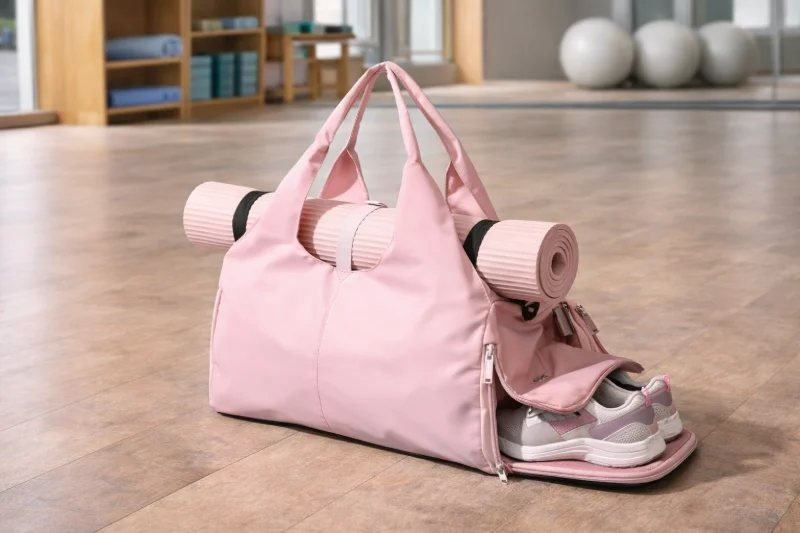
As someone who works out regularly, I initially used a basic gym bag provided by the gym. Even for solo workouts, the limitations of a single-compartment design became obvious: clean and sweaty clothes were mixed together, a water bottle tipped over easily, and small items like keys or a phone were hard to find.
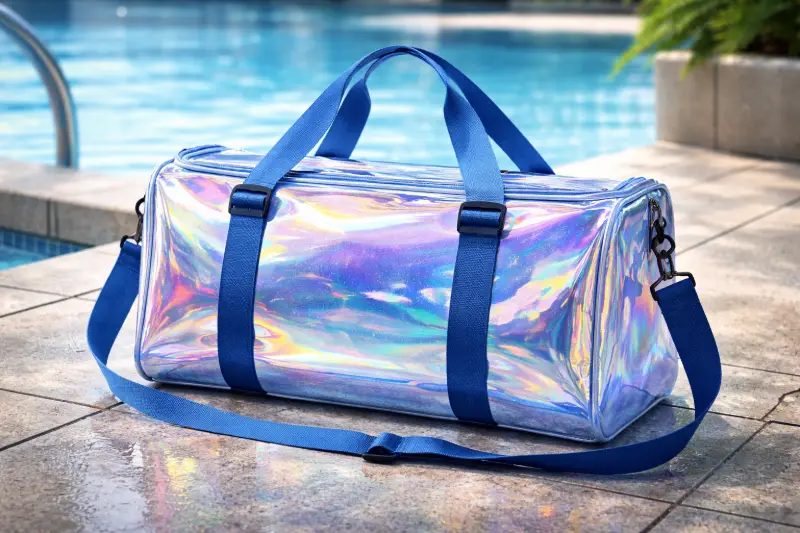
These issues became more pronounced during summer swimming sessions with my child, where wet towels and swimwear had to be carried alongside dry items, making water resistance and wet–dry separation critical.
Through these real-life use cases, it became clear that gym bags are not defined by capacity alone. How a bag is structured—its compartments, materials, and layout—plays a key role in whether it truly fits a specific workout scene.
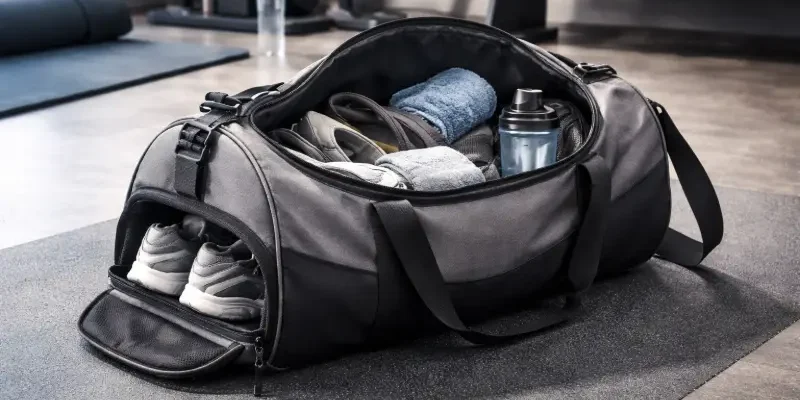
In application, weightlifters and strength trainers rely heavily on duffel bags because they often carry heavier gear such as shoes, belts, and wrist wraps. Therefore, the design focus is usually on load-bearing construction and durable materials such as reinforced bases, high-density nylon, or oxford fabric. In terms of waterproofing, duffel bags can use fully waterproof materials or fabric composite structures. However, whether they include wet-dry separation or multi-compartment functionality depends on the internal design, not on the duffel shape itself.
Backpack-style gym bags focus on portability and organized compartments, with a structure more aligned to everyday commuting and multi-purpose use. The dual-shoulder design helps distribute weight evenly and reduces strain, making it suitable for users who walk, bike, or use public transport. As a result, this type is often positioned in product development as a “hybrid of athletic and urban life,” balancing fitness and commuting needs.
Structurally, backpack gym bags typically include multiple storage sections and a laptop compartment, with the main compartment holding clothes and shoes, and additional front or side pockets for quick access. Some designs also feature an independent shoe section or anti-sweat compartment. It’s worth noting that the convenience of use largely depends on the layout and access logic of each design rather than the backpack style itself. Most models use high-density nylon or oxford fabric to ensure structure and durability, supporting both commuting and workout scenarios.
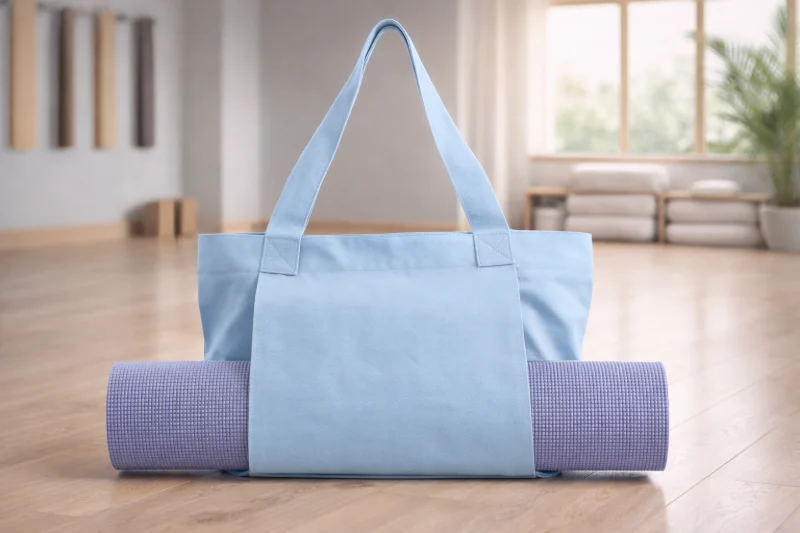
For yoga and Pilates enthusiasts, tote bags usually come in two structural designs. One features an external yoga mat holder, attached to the front of the bag using a front pocket or elastic straps, offering quick and convenient access while maintaining a sporty look. The other adopts a handle-extension design, in which the upper section of the bag is slightly widened, allowing the yoga mat to rest horizontally on top and be secured with straps or cords. This structure combines functionality and style, making it particularly suitable for urban commuting and light workout series.
The drawstring gym bag is the most lightweight and compact type of fitness bag. Its drawcord closure design makes it simple, foldable, and easy to carry. This style is ideal for students, ball sports players, or those engaging in short training sessions. For brands, this type of bag offers structural simplicity, short production cycles, and cost efficiency, making it a popular choice for event giveaways and entry-level fitness series.
Different types of gym bags emphasize different structures and purposes. The table below summarizes the key features and common usage scenarios of the four main bag types, providing a quick reference for comparison and selection.
| Bag Type | Main Structural Features | Typical Usage Scenarios |
|---|---|---|
| Duffel Bag | Cylindrical design, large capacity, reinforced bottom | Strength training, swimming gear, weekend travel |
| Backpack Gym Bag | Dual-shoulder design, multiple compartments, laptop or shoe compartment options | Gym commuting, urban fitness, cycling |
| Tote Bag | Wide opening, lined with small pockets; supports external or top yoga mat attachment | Yoga, Pilates, light exercise, commuting |
| Drawstring Bag | Drawcord closure, lightweight and foldable; optional front pocket or water bottle holder | Students, ball sports, promotional events |
From a functional perspective, each bag type serves distinct activity needs. Duffel bags suit heavy training and gear storage, backpacks work best for commuting and versatile use, totes cater to light fitness and everyday activities, while drawstring bags focus on portability and convenience.
The internal structure of a gym bag should be flexibly configured based on user needs, as different users prioritize different functions. For those who need to carry shoes or wet clothes, an independent shoe compartment or a wet zone pocket helps prevent mixing of clean and used items. Commuters tend to value laptop sleeves and document partitions, while regular gym-goers or short-trip users focus more on quick-access pockets and convenient side compartments.
For gyms with swimming facilities or for outdoor use in wet environments, choosing materials with water-resistant exteriors is often more practical. Fabrics such as TPU, PVC, or those with a protective coating can effectively prevent moisture or splashes from seeping through. Overall, there’s no fixed standard for compartment layout or structure — the key lies in designing a balance between functionality and weight based on the target users and product positioning.
In general, gym bag structures follow the logic of organization and convenience rather than rigid standards. The table below summarizes common functional designs and their practical value, which brands can use as a reference when developing or refining product combinations.
| Function Category | Main Application Scenarios | Functional Value |
|---|---|---|
| Shoe Compartment / Separate Shoe Pocket | Strength training, activities requiring footwear changes | Keeps main compartment clean and odor-free |
| Wet-Dry Separation / Ventilated Design | Swimming, outdoor use, post-workout storage | Separates damp items, improves hygiene and ventilation |
| Electronics Section / Laptop Sleeve | Commuting workouts, everyday use | Enables multi-purpose use for both work and exercise |
| Quick-Access Pockets / External Compartments | Daily commuting, short trips | Easy access to small items, improves usability |
| Accessory Features (Headphone Port, Bottle Holder, etc.) | Multi-sport scenarios | Adds convenience and enhances user experience |
Different functional modules can be flexibly combined, as user needs for compartment design vary widely. Well-planned functionality not only enhances usability but also helps brands create clear product differentiation.
When selecting a gym bag, start by considering your workout routine and the items you typically carry. For everyday workouts, you usually only need to pack a change of clothes, a towel, and a water bottle — a large bag might feel bulky for that purpose. If you bring shoes, protective gear, or a toiletry bag, you’ll need a more structured design with a deeper main compartment so items can be layered without crowding each other.
For those who frequently swim or carry wet clothes, it’s best to choose a bag with bottom or side compartments that separate damp gear and keep the dry area fresh. If you usually head straight to work after the gym, a medium-sized, structured bag is ideal, with space reserved for a laptop or documents — making it easy to transition between fitness and daily life.
Overall, the right gym bag size isn’t about the exact number in liters — it’s about how well it fits your daily needs. The best bag is one that holds everything you need and makes access easy, without unnecessary bulk.
When selecting a gym bag, the first thing to consider is whether the capacity is suitable. The bag should be large enough to hold clothes, shoes, a water bottle, and toiletries while remaining lightweight and easy to carry. A bag that’s too large adds unnecessary burden, while one that’s too small may not fit all your workout essentials.
Next, check whether the structure aligns with your personal habits. There is no fixed standard for gym bag compartment layouts—the key is whether the design meets your daily usage needs. Common features include independent shoe compartments, wet zones, phone and key pockets, bottle holders, laptop sleeves, or cable ports. These thoughtful details bring extra convenience in everyday use.
Material durability is equally important. Nylon, Oxford fabric, polyester, PVC, TPU, and PU are the main choices. These materials are water-repellent and can retain their shape after repeated use. For people who commute or travel frequently, water-resistant materials significantly extend the bag’s lifespan.
Comfort determines user experience. Shoulder straps should be wide and padded to prevent pressure; for larger bags, reinforced handles or adjustable straps are ideal for balanced carrying.
Finally, consider cleaning convenience. Smooth, wipe-clean interiors help prevent odors. After swimming or gym workouts, the bag can be easily cleaned, making it ideal for frequent use.
The following table summarizes the five key factors for evaluating gym bag practicality:
| Key Point | Core Description |
|---|---|
| Capacity | Should fit clothes, shoes, bottle, and toiletries without feeling bulky |
| Structure | Compartment layout suits personal habits; optional shoe or laptop sections |
| Material | Nylon, Oxford, PVC, TPU for durability and water resistance |
| Comfort | Wide padded straps ensure stable, pressure-free carrying |
| Ease of Cleaning | Smooth lining, easy to wipe, suitable for long-term use |
These five elements form the basic criteria for choosing a functional gym bag. Whether for brand development or bulk procurement, they can serve as a reference framework for product selection and positioning.
Different gym bag styles represent distinct user needs and design logics. Duffel bags are ideal for intensive training and equipment storage, backpacks suit commuting and multipurpose routines, totes emphasize light exercise and style, while drawstring bags excel in flexibility and portability.
When planning or sourcing products, it’s essential to consider the user’s habits, activity types, and price range to form a well-structured collection. For brands, differentiating bag types and functions enhances user experience and strengthens market competitiveness.
If you’re looking for a reliable custom gym bag manufacturer, Yanxin Bag offers a variety of custom gym bag solutions with multiple styles and materials, including Duffel, Backpack, and Tote types. Contact us to create a gym bag line that combines function with design aesthetics.
Get a free quote and expert consultation today. Let's bring your brand vision to life.
1 The Wikipedia article on compartmentalization in engineering identifies the term as a structural method of dividing a system into isolated sections to maintain efficiency and prevent interference.
2 Industry research summarized by Nielsen Norman Group connects aesthetic simplicity with cognitive clarity, establishing the minimal look as a design approach that balances visual appeal with practical usability.
3 The Demand Institute, recognized for its global demand analytics, identifies diversified consumer needs as a key driver behind product innovation and brand development across multiple markets.
Answer: The main types of gym bags include duffel bags, backpack gym bags, tote gym bags, and drawstring gym bags. Each type suits different workout scenes, such as heavy training, commuting to the gym, yoga or Pilates, and short workouts or sports activities.
Answer: Internal compartment design is important because it helps separate clean clothes from sweaty gear, store shoes or wet items independently, and improve overall organization. Well-designed gym bag compartments make it easier to access items and maintain hygiene.
Answer: The right gym bag size depends on what you carry daily. For basic workouts, a medium-size gym bag that fits clothes, a towel, and a water bottle is enough. If you carry shoes, wet clothing, or work items, a structured bag with layered storage is more suitable than simply choosing a larger capacity.
Answer: A duffel gym bag usually offers a wide opening and large main compartment, making it ideal for carrying bulky gear. A backpack gym bag focuses more on weight distribution and multiple compartments, making it better for commuting, cycling, or carrying a laptop along with gym essentials.
Q5: Are backpack gym bags suitable for work and gym use?
Answer: Yes, many backpack gym bags are designed for both work and gym use. They often include laptop compartments, document sleeves, and separate areas for gym clothes and shoes, allowing one bag to serve both commuting and workout needs.
Answer: A tote gym bag is practical for light workouts such as yoga, Pilates, or studio fitness classes. It offers easy access, a stylish appearance, and enough space for basic gear, though it may lack advanced compartment separation for heavier training.
Answer: Drawstring gym bags are best for short workouts, school sports, or carrying minimal gear. They are lightweight and easy to fold but usually offer limited compartment structure compared to duffel or backpack gym bags.
Answer: Water resistance is very important, especially for users who carry wet clothes, swim gear, or use the gym bag outdoors. Water-resistant gym bags help protect clothing, electronics, and personal items from moisture and spills.
Answer: Many gym bags are designed with easy-to-clean linings. Smooth inner materials allow users to wipe away moisture and odor after workouts, which is especially helpful for frequent gym or swimming use.

Order or no-order we are Always here to help you!
We will contact you within 1 working day, please pay attention to the email with the suffix “@yanxinbag.com”.
Order or no-order we are Always here to help you!
We will contact you within 1 working day, please pay attention to the email with the suffix “@yanxinbag.com”.