
Our Academy
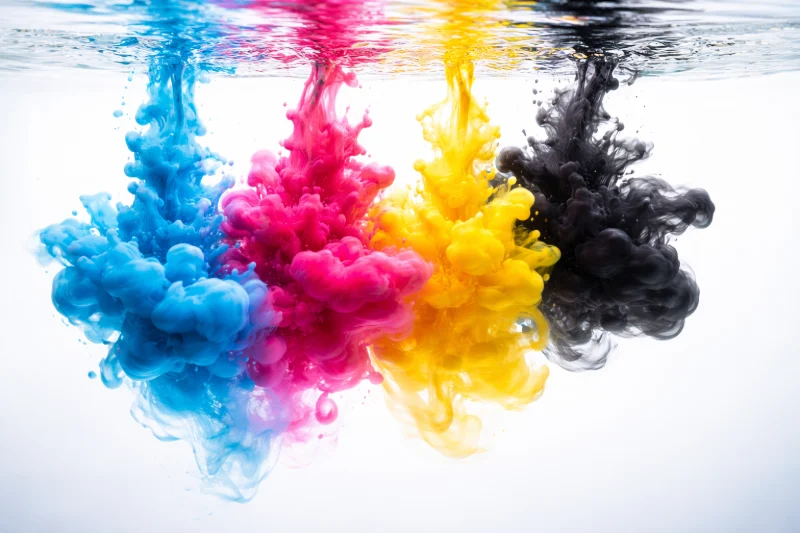
When we work on custom drawstring bag projects, we often see clients struggle to choose a printing method — each option brings a different balance of cost, color, and texture. If you want a sharper design and brighter colors, the key is finding the right match between material and printing technique. Still, some clients prefer the solid look of single-color screen printing, like carbon ink pressed onto cotton — simple, but full of weight and character.
What are the common printing methods for drawstring bags? The most common printing methods include screen printing, heat transfer, UV printing, sublimation, embroidery, and foil stamping. Each technique differs in color expression, durability, and cost. The best choice depends on the material, design complexity, and order quantity.
Although these methods give an overall view of available options, understanding how each printing technique performs on different fabrics helps you make better choices. Keep reading to see how each method interacts with various bag materials and production needs.
A traditional process where ink is pressed through a mesh screen onto the fabric. It delivers strong coverage with a slightly raised texture. Ideal for logo graphics, text-based designs, and large-volume production with consistent and cost-effective results.
Uses heat and pressure to transfer printed images from special paper onto the bag surface. It reproduces multi-color and gradient effects with smooth, flat finishes and high detail accuracy. Best for intricate or colorful designs.
A digital printing process where UV-curable ink1 is directly printed and hardened on the bag’s surface. No plate-making is required, producing sharp, full-color prints with excellent clarity. Works on a wide range of materials such as polyester, nylon, Tyvek, and PVC.
Uses heat to let dyes penetrate into polyester fibers, creating bright and long-lasting colors. The print is smooth with no surface texture. Only suitable for polyester or fabrics with high polyester content.
Stitches threads directly onto the bag using a computerized embroidery machine, giving a raised and textured appearance. The result is durable, premium-looking, and tactile — ideal for logos and decorative designs.
Applies metallic foil onto the surface using heat and pressure. Creates a shiny, reflective finish that enhances details and adds elegance. Often used for accents or festive styles.
The table below summarizes six major printing techniques for drawstring bags and their core characteristics, helping you quickly understand each method’s printing style and key features.
| Printing Method | Main Features |
|---|---|
| Screen Printing | Ink pressed through mesh screen, strong coverage, slightly raised texture |
| Heat Transfer | Transfers image via heat press, supports multi-color gradients |
| UV Printing | Direct UV-curable ink imaging, no plate-making, sharp lines |
| Sublimation | Dye penetrates fibers under heat, long-lasting color |
| Embroidery | Thread stitching with strong texture and dimensional depth |
| Foil Printing | Metallic foil hot-stamped for localized gloss effect |
Each printing method has its own strengths. When selecting, consider the bag material and the design’s visual goals. Next, we’ll look at which techniques best fit different materials.
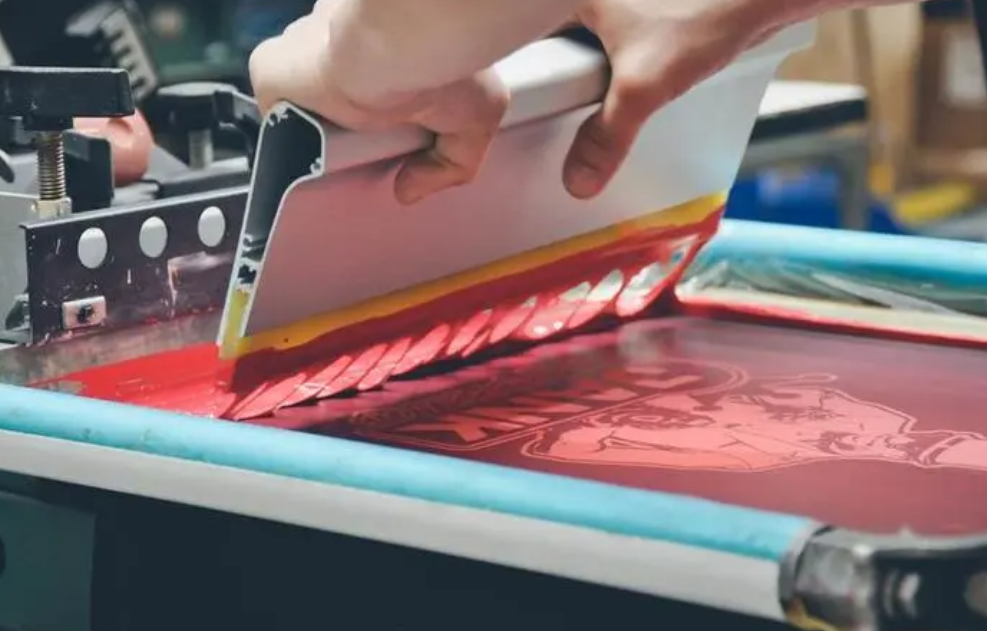
Different drawstring bag materials absorb and display ink in distinct ways, which directly affects printing results. Understanding how each fabric behaves — from cotton and canvas to polyester or Tyvek — helps you select both the right material and printing technique for your design.
Common in eco-style drawstring bags, these fabrics absorb ink well, making them suitable for screen and UV printing. Screen prints give rich, matte tones, while UV delivers sharper lines and cleaner edges — often used in branding or gift packaging designs.
These smooth, dense fabrics show the brightest colors with sublimation. The dye bonds with fibers under heat, producing vivid, durable, and scratch-resistant prints. Ideal for sports or promotional drawstring bags where color intensity matters.
Uniform in texture and widely used for giveaways, this material suits both screen and heat transfer printing. Screen printing offers stable, low-cost results, while heat transfer enables colorful gradient designs. Lightweight and practical for trade shows or e-commerce packaging.
Jute’s coarse texture pairs well with screen printing or embroidery for a rustic feel. Tyvek is lightweight and waterproof — UV or foil printing highlights its sleek surface. PVC, with its glossy transparency, works best with screen or partial UV printing for sharp and vibrant visuals.
The more detailed the design, the higher the need for resolution and color accuracy. Gradients, shadows, and photo-like graphics suit sublimation or UV printing best. Always test small samples to ensure smooth color transitions before mass production.
More colors mean higher printing costs and technical requirements. Screen printing is ideal for single or two-color logos, while sublimation and UV support full-color images. For small batches, digital or heat transfer printing offers flexibility and cost efficiency.
Each fabric reacts differently to ink adhesion and temperature. Cotton absorbs ink naturally, ideal for screen printing; polyester needs heat for dye-sublimation printing2; Tyvek and PVC perform best with UV printing. Always verify the fabric’s structure before selecting inks and heat settings.
Printing choice also depends on production scale. Screen printing requires plate setup and color matching, making it more cost-effective for bulk runs. For smaller or multi-design orders, UV or heat transfer printing is more efficient and adaptable.
By weighing these four factors — design, color, material, and order size — you can choose the most suitable printing method for your drawstring bags with ease.
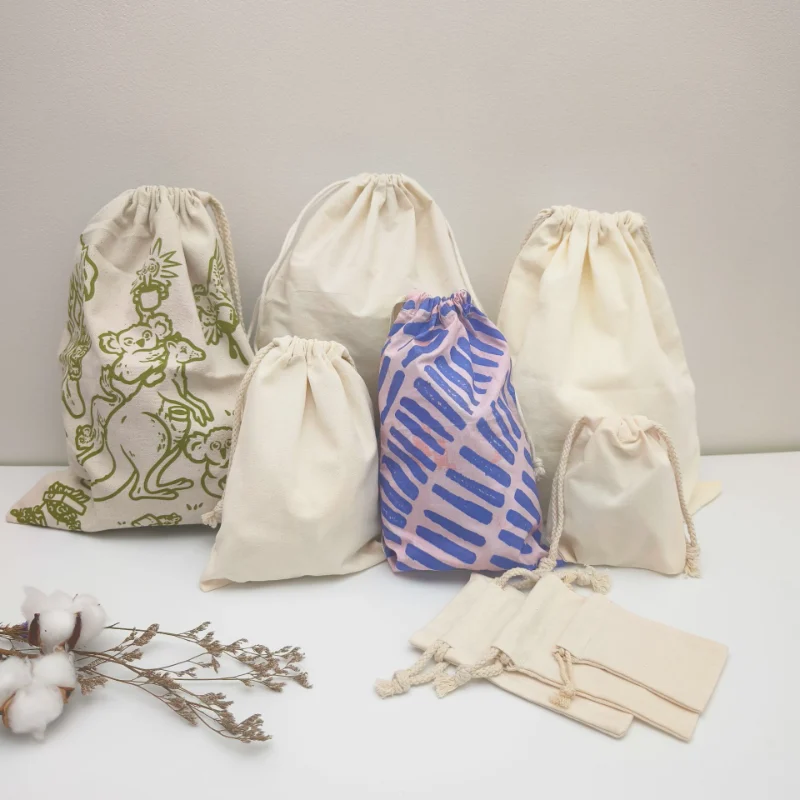
In practical manufacturing, printing decisions mainly depend on design detail and quantity. For simple logos with fewer colors, screen printing offers stable quality and cost control. For detailed or high-resolution graphics, digital or sublimation printing ensures clarity and depth. When dealing with small batches, opt for plate-free techniques to avoid unnecessary setup costs. Always confirm color and positioning during sampling to maintain consistency in mass production.
There’s no single “best” printing method for drawstring bags — the key lies in matching the artwork with the material. Screen printing is steady and classic, sublimation vibrant and long-lasting, digital printing captures intricate details, and embroidery adds premium texture. Understanding each process helps your brand truly stand out and stay memorable on every bag surface.
Get a free quote and expert consultation today. Let's bring your brand vision to life.
1 Reflects the Wikipedia explanation of UV curing, presenting the scientific foundation behind the polymerization reactions that define UV-curable ink behavior across modern printing technologies.
2 According to Wikipedia’s article on dye-sublimation printing, the process relies on controlled heat to turn solid dyes into vapor, allowing the pigments to fuse permanently with polyester fibers for high-quality, durable color prints.
Answer: Common printing methods for custom drawstring bag printing include screen printing for bold, flat colors, heat transfer for multi-color or gradient designs, UV printing for direct digital imaging, sublimation for vibrant polyester prints, embroidery for textured logos, and foil printing for metallic accents.
Answer: Screen and UV printing work well on cotton and canvas; sublimation is vibrant on polyester and nylon; non-woven fabric adapts to screen and heat transfer; and materials like Tyvek and PVC suit UV or specialty printing based on surface texture.
Answer: Dye-sublimation printing involves using heat to transfer dye from coated paper to a polyester substrate, producing bright, long-lasting, full-color designs on compatible fabrics.
Answer: Common materials for drawstring bags include cotton, canvas, polyester, nylon, non-woven polypropylene, Tyvek, and PVC, each offering different durability, texture, and printing compatibility.
Answer: Yes, embroidery is often used as a decorative alternative to printing, stitching thread directly into the fabric for a textured, premium look.
Answer: Key factors influencing printing method choice include design complexity, number of colors, bag material, and order quantity, which determine detail fidelity, cost, and production efficiency.
Answer: Yes, heat transfer printing is suitable for small to medium orders and can handle complex, multi-color graphics without the need for screen setup.
Answer: UV printing uses UV-curable inks that are directly printed and cured on the surface for sharp details, while screen printing presses ink through mesh screens and builds up layer thickness, typically suited for simpler designs and larger runs.

Order or no-order we are Always here to help you!
We will contact you within 1 working day, please pay attention to the email with the suffix “@yanxinbag.com”.
Order or no-order we are Always here to help you!
We will contact you within 1 working day, please pay attention to the email with the suffix “@yanxinbag.com”.