
Our Academy
Choosing the right GSM isn’t about going as thick as possible, but finding the right balance between quality and cost. If the fabric is too light, the bag won’t be strong enough; if it’s too heavy, it increases both material and shipping costs. A suitable GSM keeps the bag practical, cost-effective, and aligned with your brand’s quality positioning.
These bags are lightweight and cost-efficient, often used for giveaways, packaging, and promotional events. The fabric is sealed by ultrasonic heat-pressing instead of stitching, ideal for large-volume production. In factory operations, this weight range offers the fastest lead time and lowest shipping cost.
This range offers a firmer hand feel and higher thickness, suitable for heavier items or brand customization. In practice, most “thick bags” do not exceed 100 GSM — this level already meets most brand expectations for quality and appearance.
These bags rely not only on thickness but on lamination and color printing to enhance appearance and strength. Typically, laminated bags use 70–80 GSM fabric as the base, with glossy or matte lamination added for a smooth, water-resistant finish. From a production standpoint, laminated bags look more refined and showcase printed designs better.
These bags are usually double-laminated, with a total weight around 140 GSM or higher. The result is a more solid structure and vivid print, ideal for brand promotions, trade show gifts, or premium retail bags. However, we generally don’t recommend exceeding 160 GSM, as the material becomes stiff and less flexible, reducing durability.
The table below summarizes the most common GSM ranges for non-woven bags, showing how fabric weight relates to bag type and key features.
| GSM Range | Bag Type | Key Features |
|---|---|---|
| 40–70 GSM | Heat-pressed Bags | Lightweight, low-cost, ideal for giveaways and promotions |
| 70–90 GSM | Stitched Bags | Durable, reusable, perfect for shopping and retail use |
| 90–100 GSM | Premium Bags | Thicker fabric, firm texture, suitable for branded packaging |
| 100 GSM+ | Laminated Bags | Glossy surface, water-resistant, supports full-color printing |
| 140 GSM+ | Full-color Laminated Bags | Double-laminated, vivid colors, premium and long-lasting |
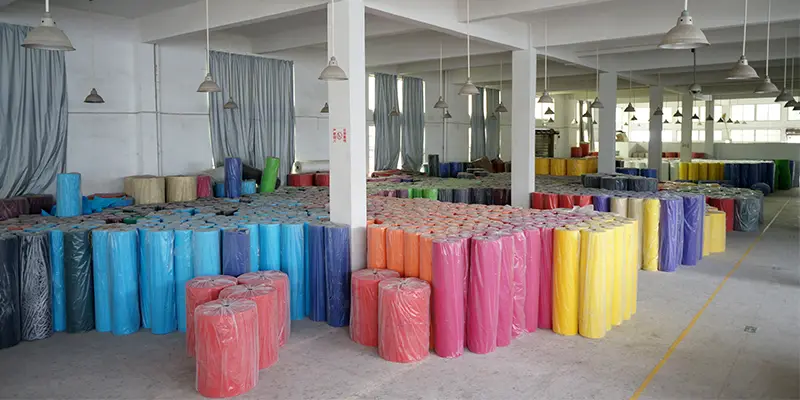
Different bag uses require different fabric weights. Lighter bags focus on cost and portability, while heavier ones prioritize strength and brand presentation. Here are some of our production-based recommendations for common use cases.
For giveaways or event bags, 40–70 GSM heat-pressed bags are the most economical choice. Shopping or daily-use bags need more strength — 80–90 GSM stitched bags work best. For brand packaging or gift bags that need a premium look, 110 GSM or above laminated bags are ideal for full-color printing.
Heat-pressed bags are thin and flexible, perfect for large-volume, low-cost projects. Stitched bags hold their shape better and look more structured, which fits retail and branded uses. Laminated bags have a glossy surface and allow full-color printing; around 140 GSM, double-laminated bags give the most refined, high-end appearance.
Higher GSM means higher material and freight costs. For most export orders, 70–80 GSM stitched bags are the most cost-effective and reliable option, providing both strength and stability.
For simple logo printing, 70–90 GSM non-laminated fabric is most economical. For full-color printing or water-resistant effects, choose 100–120 GSM laminated fabric. High-end brands and gift bags often use around 140 GSM double-laminated material for better stiffness and consistent print quality.
Every bag should match its purpose — practicality for daily use, brand image for promotional use. If your budget is tight, heat-pressed or 70–80 GSM stitched bags are the safest option. For a more premium look, go with 110 GSM laminated fabric or higher. Clarifying the purpose first ensures the right balance between quality and cost.
Once you’ve chosen the GSM, the bag’s construction and production process can be adjusted accordingly. Understanding these relationships helps you make smarter material decisions.
The key to choosing non-woven bag fabric is not going thicker, but choosing what fits your purpose. For giveaways and promotions, 40–70 GSM heat-pressed bags are light and affordable. For shopping or daily-use bags, 70–90 GSM stitched bags offer the best balance of durability and cost. For branding or premium packaging, 110 GSM laminated bags deliver better printing and structure. And if you want a high-end look, around 140 GSM double-laminated bags are the most reliable choice. As GSM increases, so do material costs — but so does the bag’s strength, shape, and perceived quality.
From our experience, defining the bag’s purpose before selecting GSM and production method helps balance appearance, quality, and budget. If you’re still unsure which GSM fits your project, our team can recommend the most suitable option based on your design and intended use.
Want to know which GSM suits your project best? Tell us your purpose and order quantity, and we’ll help you choose the right material and structure.
Get a free quote and expert consultation today. Let's bring your brand vision to life.
1 As described in Wikipedia’s authoritative entry on textile measurement, GSM (grams per square meter) is the recognized international metric for assessing fabric mass and performance.
2 In Wikipedia’s authoritative reference on ultimate tensile strength, the term denotes the stress limit at which a material fails under tension, providing context for understanding material resilience and reliability.
Answer: GSM stands for “grams per square meter,” indicating the fabric’s weight and density, and it directly affects a non-woven bag’s thickness, strength, and durability based on intended use.
Answer: Typical non-woven bag GSM ranges include 40–70 GSM for lightweight heat-pressed bags, 70–90 GSM for stitched reusable bags, 90–100 GSM for premium bags, and above 100 GSM for laminated or double-laminated bags.
Answer: Most non-woven bags are made from polypropylene (PP) fibers that are bonded together by heat or pressure, creating strong, flexible fabric suitable for reusable bags.
Answer: Yes, non-woven bags reduce plastic waste by replacing single-use plastic bags, can be reused many times, and generally have lower carbon footprints, though they are not biodegradable.
Answer: Woven bags are made by interlacing yarns and tend to be more durable, while non-woven bags are bonded fibers that are lighter, more cost-effective, and good for reusable everyday use.
Answer: Non-woven polypropylene bags can be recyclable in some areas, but they are not compostable like paper bags, and recycling options depend on local facilities.
Answer: Non-woven bags are typically stronger and reusable, while paper bags are biodegradable and easier to compost; choice depends on durability and sustainability preference.
Answer: While non-woven bags can carry moderate weights, very heavy or bulky loads may be better suited to woven or reinforced materials because non-woven fabrics have lower tensile strength.
Answer: Non-woven bags are used for promotional events, storage, trade show giveaways, and packaging, due to their strength, lightweight nature, and printability.
Answer: Providing reusable non-woven bags helps retailers reduce single-use bag costs and support environmental responsibility, which can strengthen customer loyalty.

Order or no-order we are Always here to help you!
We will contact you within 1 working day, please pay attention to the email with the suffix “@yanxinbag.com”.
Order or no-order we are Always here to help you!
We will contact you within 1 working day, please pay attention to the email with the suffix “@yanxinbag.com”.